

The automotive reed sensor market is on a robust growth trajectory, projected to expand from USD 2.50 billion in 2025 to USD 5.60 billion by 2034, reflecting a healthy compound annual growth rate (CAGR) of 9.38%. This surge is driven primarily by the rising adoption of electric vehicles (EVs), growing safety concerns, and the increasing integration of Internet of Things (IoT) technologies in modern vehicles.
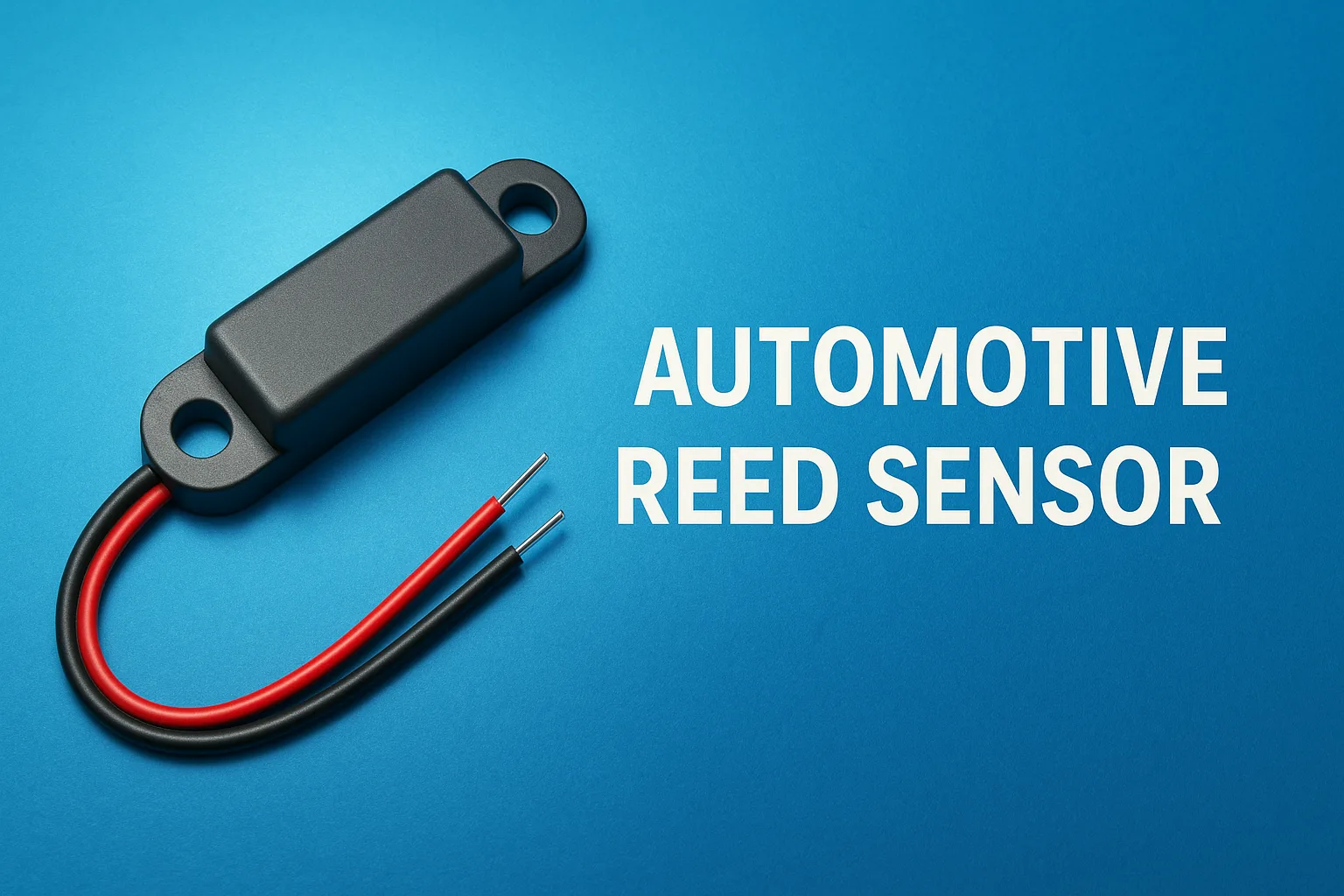
Reed sensors, compact electromechanical switches activated by magnetic fields, play a crucial role in automotive systems by detecting proximity, position, and movement. Their lightweight and small form factor make them ideal for various vehicle applications, including door and window sensors, brake pedal position detection, and seatbelt monitoring systems.
These sensors are integral to key safety functions such as airbag deployment and crash detection, helping to ensure passenger protection during collisions. Additionally, advanced driver assistance systems (ADAS), which enhance road safety and driver convenience, rely on reed sensors for tasks like object detection, lane tracking, and braking assistance. As these systems evolve, so does the demand for more reliable, miniaturised, and versatile reed sensor technologies.
One of the most significant market drivers is the rapid adoption of electric vehicles. Reed sensors in EVs are used for critical functions such as monitoring vehicle connection status, controlling the charging process, and preventing battery leakage during storage and transport. Leading suppliers including Standex Electronics, Littelfuse, and TE Connectivity are meeting this growing demand by offering specialised sensor solutions tailored for electric vehicles.
The integration of IoT in automotives is another key factor propelling the reed sensor market. Connected car technologies such as smart navigation, vehicle-to-vehicle communication, and real-time data analytics depend heavily on sensor networks. Reed sensors integrated with IoT enable improved safety through immediate alerts, enhanced vehicle efficiency via predictive maintenance, and optimised routing.
From a technology standpoint, surface mount reed sensors currently dominate the market due to their compact size, durability, and cost-effectiveness. These sensors are typically embedded in printed circuit boards (PCBs) to detect magnetic fields, making them ideal for applications like door position monitoring and seatbelt detection. Meanwhile, through-hole mount reed sensors, used for speed detection, fluid flow monitoring, and proximity sensing, are gaining momentum thanks to their low power consumption and reliability, particularly in battery-operated systems.
Passenger vehicles account for the largest share of the automotive reed sensor market. Their use in enhancing passenger safety, vehicle convenience, and operational efficiency spans numerous functions — from detecting window positions and fluid levels to monitoring brake pedal and airbag systems. Meanwhile, the commercial vehicle segment is expected to see significant growth, driven by the increasing need for durable, reliable sensors in safety systems, cargo monitoring, and collision avoidance.
Regionally, North America leads the market due to a well-established automotive industry, high vehicle production, and the presence of major manufacturers like Littelfuse, Standex-Meder Electronics, and Coto Technology. The U.S. and Canada serve not only as major consumers but also as exporters of reed sensors worldwide. In contrast, the Asia Pacific region is experiencing rapid market growth, fueled by urbanization, technological advancements, and a booming electric vehicle sector. Countries like India, China, and Japan are key contributors, supported by local players such as Zhejiang Xurui Electronic and Bimba Manufacturing Company.
In a notable development, Standex Electronics launched its MK33 surface mount reed switch series in May 2024, designed specifically for automotive applications, underscoring the ongoing innovation in this sector.
With the automotive industry’s increasing focus on safety, connectivity, and sustainability, the demand for automotive reed sensors is poised for substantial growth, reshaping the future of vehicle technology worldwide.
Source : https://www.towardsautomotive.com/insights/automotive-reed-sensor-market-sizing
Feature Image by Jojo BT from Pixabay