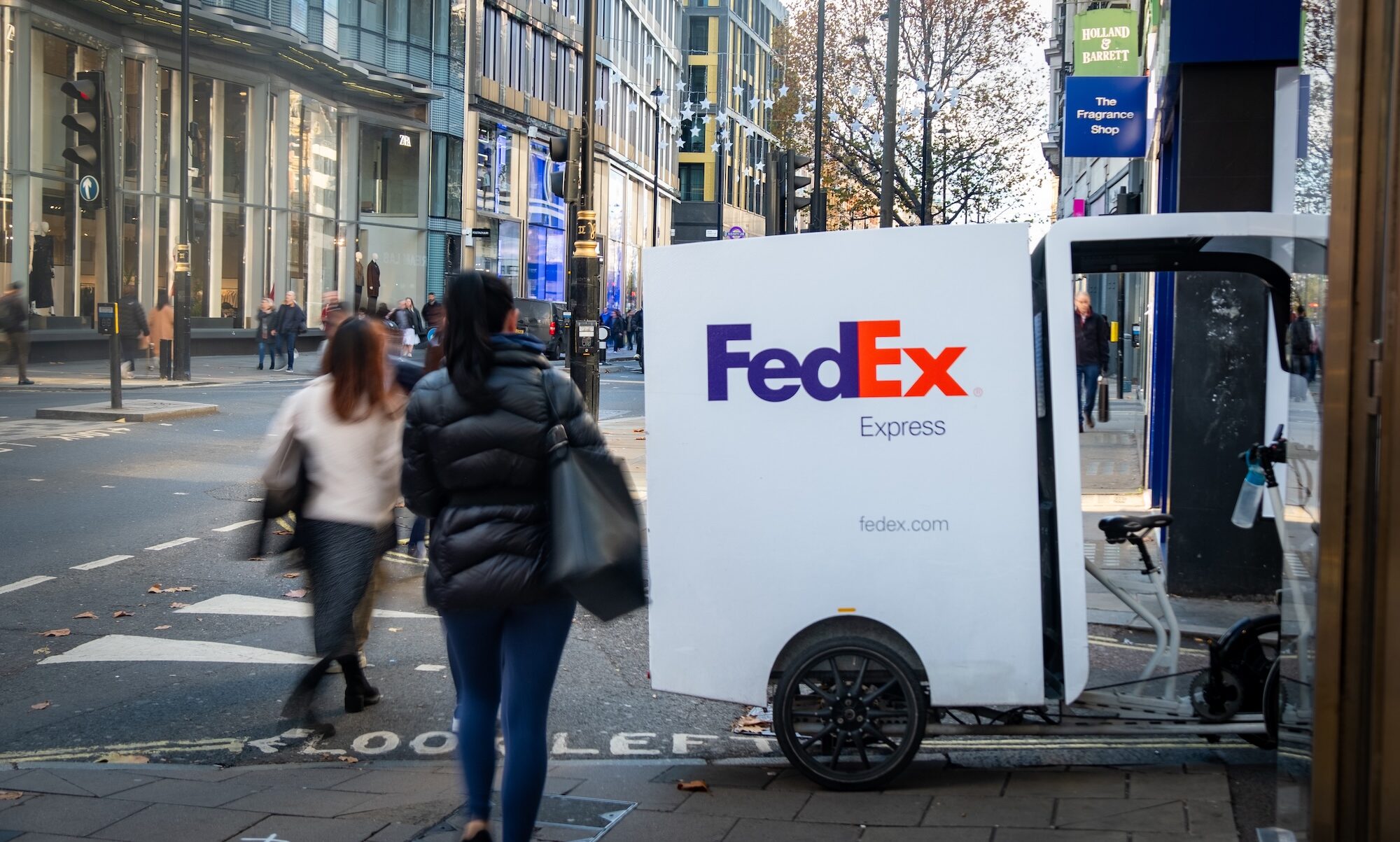

London’s clean‑air policies are reshaping how parcels and provisions move around the capital, with a wave of micromobility and e‑cargo bike startups picking up the slack for last‑mile delivery. From high streets to hospital campuses, compact electric fleets and micro‑hubs are helping retailers and couriers cut emissions, contain costs and keep pace with the city’s evolving urban logistics demands.
ULEZ pressures accelerate the shift
The expansion of London’s Ultra Low Emission Zone (ULEZ) has nudged many organisations to rethink vans for shorter journeys, particularly in dense boroughs where traffic, fuel and compliance costs bite. TfL guidance on the Ultra Low Emission Zone sets out the standards and charges for older, more polluting vehicles across the capital. In parallel, national policy emphasises public health and decarbonisation, with the government’s Clean Air Strategy underscoring the need to reduce transport emissions.
For SMEs in delivery and retail, the economics are changing. Compact electric cargo bikes cost less to purchase and run than many vans, can avoid some restrictions, and often outpace motor vehicles on short city routes by using cycle infrastructure and filtered streets. The result is a growing number of pilots and permanent services substituting pedal‑assist cargo bikes and e‑scooter couriers where payloads and distances make sense.
Micromobility goes mainstream in last‑mile delivery
Modern e‑cargo bikes carry 80–250 kg depending on format, with lockable boxes for parcels, chilled options for groceries, and flatbeds for larger items. Operators pair vehicles with routing software, IoT locks and real‑time courier tech to maximise utilisation and traceability. A typical model sees goods trunked to a local micro‑hub at the edge of a busy centre, then consolidated for rapid, zero‑tailpipe final drops.
Retailers are using bikes for same‑day e‑commerce orders; facilities teams are moving supplies between sites; and independent couriers are adding electric cargo to stay competitive. In boroughs trialling time‑limited loading bays and low‑traffic neighbourhoods, bikes access kerbside more easily, improving delivery success rates during peak hours.
Pilots, micro‑hubs and street space
Several boroughs and Business Improvement Districts are supporting short‑term trials to test new routes, kerbside layouts and consolidation points. These pilots typically measure delivery times, reliability, rider safety and resident feedback, informing decisions on permanent hubs and cargo‑friendly loading bays. Where micro‑hubs are close to high‑footfall streets, operators report fewer failed deliveries and smoother click‑and‑collect handovers.
Support and grants for SMEs
While upfront costs have fallen, smaller firms still look for help with financing, insurance and training. Past national funds and borough‑level schemes have underwritten early fleets and equipment, and some landlords now offer hub space as part of sustainability packages for tenants. TfL’s Cargo Bike Action Plan sets out opportunities to scale safe adoption across London, including standards and best practice for businesses; more detail is available via Transport for London’s Cargo Bike Action Plan.
What’s working — and what still needs work
Strengths:
- Lower running costs and improved delivery speed for short urban trips
- Reduced congestion and clean air gains, supporting corporate sustainability goals
- Better access to busy high streets and estates during restricted hours
Challenges:
- Limited secure kerbside space for loading and bike parking
- Scaling micro‑hubs where property is expensive
- Rider safety and training as volumes grow, necessitating clear standards
Industry groups note that consistent guidance on junction design, cargo bike dimensions and safe speeds would help operators and boroughs plan for year‑round capacity, especially when balancing kerbside needs for taxis, buses, freight and disabled parking.
What to watch next
Expect more partnerships between national carriers, local SMEs and property managers to share micro‑hubs near transport nodes, as well as integration with e‑van trunking for heavier loads. Retailers are likely to expand “green delivery” slots at checkout, offering customers lower‑carbon options at comparable prices. For commuters and businesses, staying on top of street changes and cycle route enhancements will be key; see our regularly updated London travel updates for the latest changes across the network.
As policies continue to prioritise public health and climate targets, the city’s logistics mix is set to keep shifting towards cleaner modes. For broader coverage of policy, transport and business stories shaping the capital, visit our London News section.
Bottom line
The combination of ULEZ compliance, customer expectations on sustainability and the practical advantages of e‑cargo fleets is moving micromobility from experiment to everyday infrastructure in London’s last mile. With the right street design, training and financing, the sector is positioned to carry a growing share of urban deliveries while helping the capital breathe easier.