
Each year on 16th October, people around the world come together to mark World Spine Day – a global initiative that raises awareness about spinal health and the importance of keeping our backs strong and pain-free. Supported by the World Federation of Chiropractic, the campaign highlights just how crucial it is to stay active, adopt healthy habits, and prevent spinal problems before they take hold.
A Global Call to Keep Moving
In 2025, the theme of World Spine Day continues to emphasise movement, resilience, and education, encouraging people of all ages to take small but meaningful steps toward better back health. And for those getting older, that message couldn’t be more relevant.
Ageing and the Changing Spine
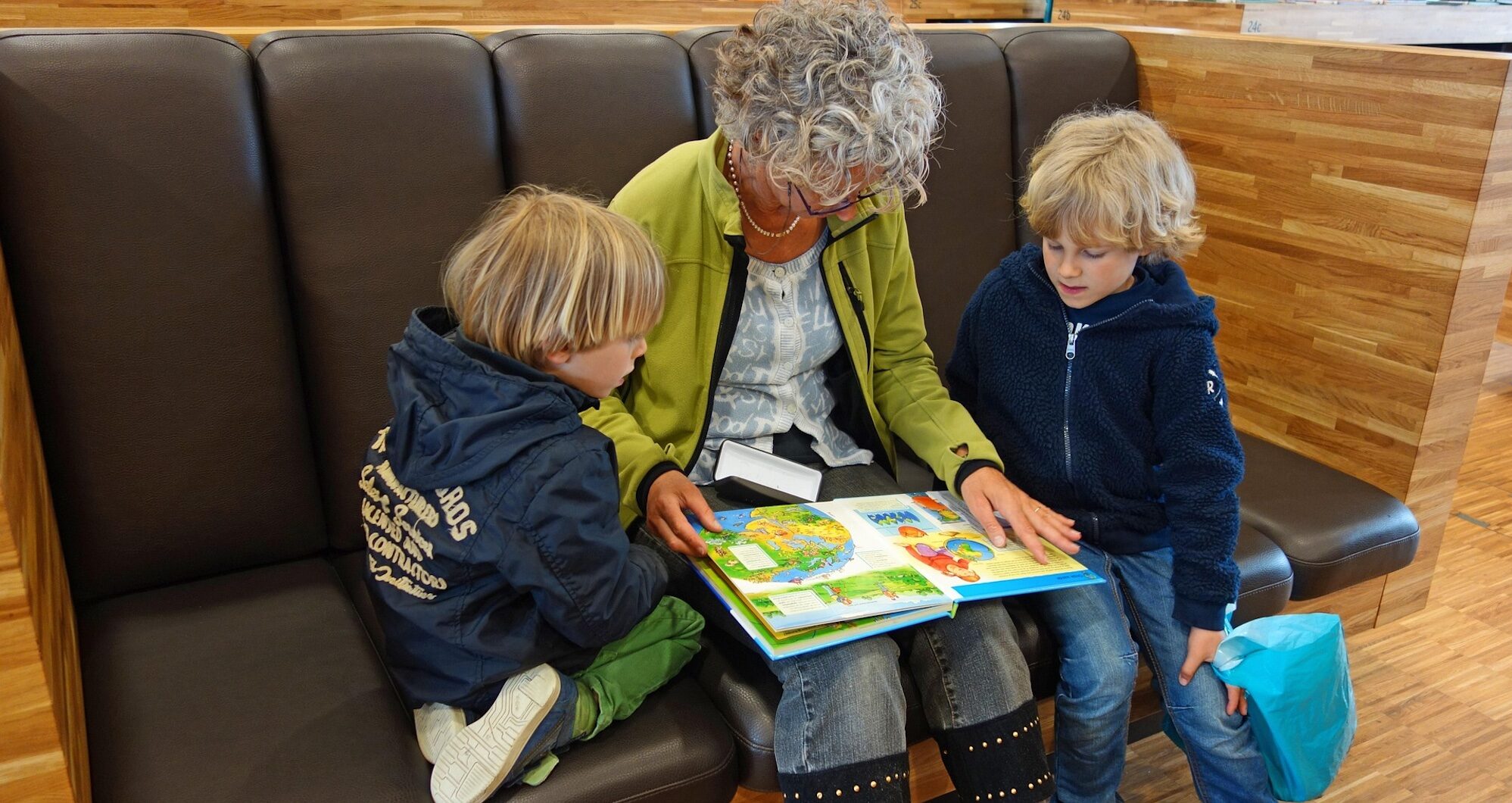
As we age, our backs start to remind us of the years spent gardening, working, and driving. For many people in their fifties and beyond, this can mean the arrival of stiffness, aching, or morning soreness that wasn’t there before. You might notice discomfort after a long car journey or a twinge when getting out of bed and assume it’s simply part of getting older.
While ageing inevitably brings a little stiffness, most back pain isn’t something you just have to accept. In fact, with the right approach, you can stay active, mobile, and strong well into later life.
Expert Insight: Motion is Medicine
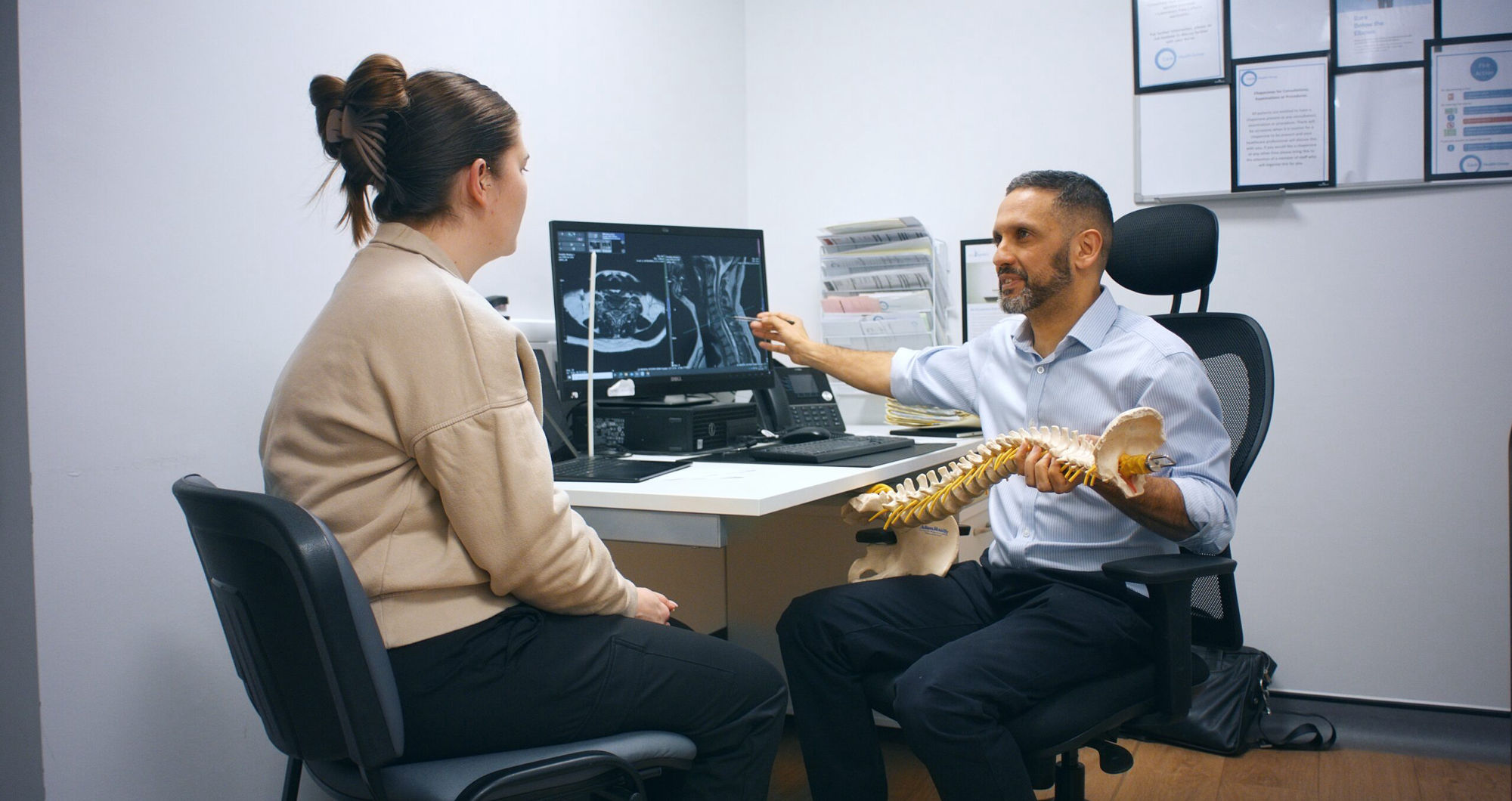
According to Anthony Ghosh, Spinal Neurosurgeon and Founder of The Spine Multi-Disciplinary Team, “motion is medicine”, and keeping your spine moving is the best way to protect it.
Here, Anthony shares eight expert-backed tips for maintaining a healthy, happy spine as we age.
-
Don’t Panic About MRI Findings
If you’ve ever had a spinal scan, you may have seen words like “degeneration” or “disc changes.” These can sound alarming, but they’re actually a normal part of ageing. In fact, many people with these changes have no pain at all. So, rather than worrying about scan results, focus on how you feel and what keeps you moving.
-
Posture Doesn’t Cause Pain
It’s tempting to blame “bad posture” for back or neck problems. However, research shows posture alone isn’t usually the culprit. What really matters is movement variety. If you sit for long periods, change positions often, stretch, and take short movement breaks throughout the day.
-
Stay Active – Even When It Hurts
Contrary to old advice, resting too much can make things worse. Prolonged rest slows recovery and stiffens joints. Gentle, regular movement keeps your spine supple and your muscles strong. Even a short walk or light stretching session can help reduce pain and boost mobility.
-
Strength Training is Safe (and Smart)
Strong muscles act as natural protection for your spine. With the right guidance, resistance or weight training is not only safe but highly effective at any age. If you’re new to strength training, start light and seek advice from a physiotherapist or trainer experienced with older adults. Gradual progression is key.
-
Sitting Isn’t the Enemy
While many of us blame sitting for back issues, the truth is that it’s staying in one position for too long that’s harmful. To counteract this, set reminders to stand, stretch, or walk every 30–60 minutes. Even a few minutes of movement can dramatically improve how your back feels.
-
Keep Doing What You Love
Whether it’s gardening, golf, or hiking, maintaining your hobbies is vital for both physical and mental well-being. You might just need to adapt how you do them – not stop altogether. Staying engaged keeps your body active and your spirits high.
-
Know the Red Flags
Most back pain improves with time and gentle movement. However, a few symptoms require immediate medical attention. Seek help straight away if you experience:
- Leg weakness
- Loss of bladder or bowel control
- Numbness in the saddle area
These can signal a serious underlying issue that needs prompt care.
-
Motion is Medicine
Above all else, remember this: the more you move, the healthier your spine will be. Movement nourishes your spinal discs, strengthens muscles, and keeps your joints flexible.
Back health after 50 isn’t about slowing down – it’s about moving smartly and confidently.
The Other Common Culprit: Neck and Shoulder Strain
It’s not just the lower back that needs attention. Neck and shoulder pain are incredibly common as we age, with studies suggesting up to half of people over 60 experience persistent symptoms.
Much of this isn’t due solely to wear and tear but rather how we use our bodies in modern life. Prolonged screen time, endless phone scrolling, or carrying heavy bags on one shoulder can all create muscle imbalances and tension.
Exercises That Really Help
The good news? Regular, targeted exercises can help strengthen your back and ease tension. Try these simple moves, ideally guided at first by a physiotherapist or osteopath:
- Shoulder Blade Squeezes (Scapular Retractions): Strengthen your upper back by gently pulling your shoulder blades together and holding for five seconds.
- Resistance Band Rows or Lat Pulls: Build resilience in your lats and mid-back to support posture.
- Gentle Core Exercises (like Bridges or Dead Bugs): Improve trunk stability and protect your lower back.
- Neck Mobility Stretches: Slowly turn your head side to side and tilt your ear toward your shoulder to keep your cervical spine loose and pain-free.
Even a few minutes a day can make a real difference.
Keeping People Moving: The Spirit of World Spine Day
Ultimately, World Spine Day is a powerful reminder that spinal health matters at every age. For those over 50, it’s an opportunity to celebrate what your body can still do, and to take proactive steps to protect it for the future.
With the right knowledge, confidence, and care, you can continue gardening, golfing, walking, or simply enjoying everyday life without fear of movement.
About The Spine Multi-Disciplinary Team
If you’ve ever experienced back pain, you’ll know how frustrating it can be to bounce between specialists, each giving a slightly different opinion. The Spine MDT takes a joined-up, holistic approach bringing together physiotherapists, pain specialists, and surgeons who all work toward one shared goal: helping you get moving again. Care is delivered by a network of spine care professionals, under the oversight of a spinal surgeon, including Physiotherapists, Osteopaths, Chiropractors, Sports Therapists, Personal Trainers, Dieticians & Nutritionists, Pain Specialists and Rheumatologists.
To find out more, visit www.spinemdt.com.
About Anthony Ghosh
Mr Anthony Ghosh, Consultant Spinal Neurosurgeon and Director of The Spine Multi-Disciplinary Team, trained in London and adapted his microsurgical skills from vascular neurosurgery to make spine surgery less invasive.
Driven by a lifelong fascination with the nervous system’s role in movement, Anthony finds fulfilment in restoring patients’ function and quality of life through minimally invasive techniques. Recognising the fragmented nature of spine care, he founded the Spine MDT to unite surgeons, physiotherapists, chiropractors, and pain specialists under one coordinated approach.
Through this work, Anthony has built a large and engaged audience of both patients and healthcare professionals via his growing YouTube channel — continuing his mission to educate, empower, and keep people moving.