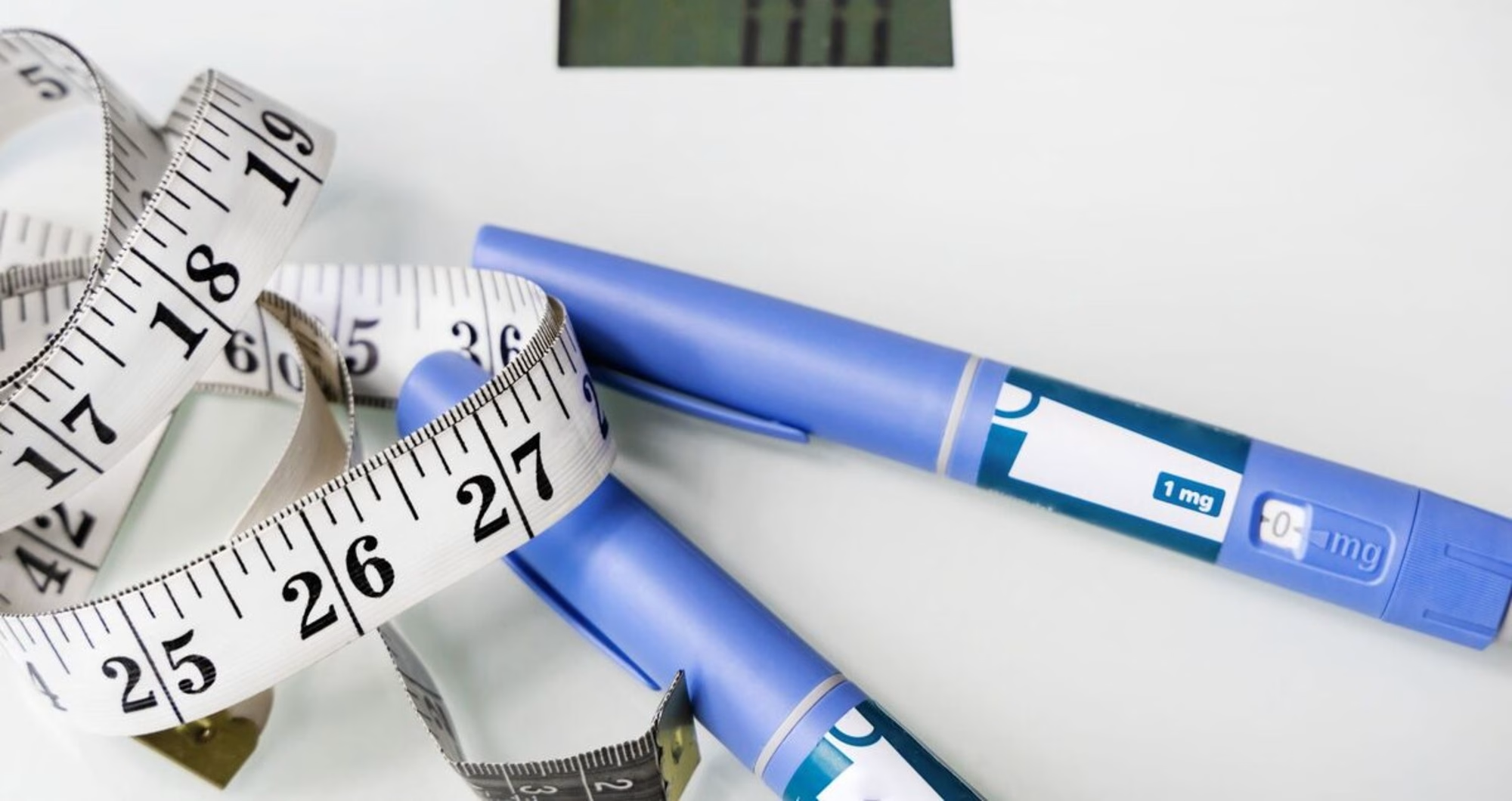

Across Europe, the rising popularity of medical weight loss has reshaped the healthcare landscape—bringing both hope for millions struggling with obesity and new challenges for clinics trying to keep up. As demand for GLP-1-based medications like Ozempic®, Wegovy®, Mounjaro®, and Zepbound™ continues to skyrocket, a hidden issue is disrupting growth across the continent: a critical shortage of trained healthcare staff.
In cities like London, Berlin, Madrid, and Warsaw, weight loss clinics are facing mounting pressure to serve growing patient loads with limited human resources. From a lack of experienced providers to high administrative burdens and staff burnout, the European medical weight loss sector is feeling the strain.
A Continental Demand Surge
Medical weight loss treatments are no longer limited to luxury weight loss clinics or private wellness spas. With obesity rates steadily rising across Europe—particularly in Southern and Eastern countries—GLP-1 medications have emerged as one of the most effective solutions to help patients achieve significant and sustained weight loss.
Clinics throughout the EU report a steady increase in patient consultations. In Germany, for example, some private clinics are booked out for weeks ahead. In the UK, many NHS-adjacent services are struggling to meet demand for Wegovy® due to both supply issues and limited provider availability. Eastern Europe, where obesity rates have climbed rapidly over the past decade, is seeing a surge in telehealth demand from smaller towns and rural areas.
Staffing Shortages Hamper Progress
At the core of the issue lies a growing shortage of healthcare professionals who are trained, licensed, and experienced in managing chronic weight issues. European clinics—particularly in private sectors—are competing for a limited pool of general practitioners, endocrinologists, dietitians, nurse practitioners, and prescribing pharmacists.
In Poland and the Czech Republic, where many new private clinics have opened in the last year to offer medical weight loss programs, staffing them has become an uphill battle. “The patient demand is incredible, but we just don’t have enough qualified providers to handle the volume,” says the director of a Warsaw-based virtual weight loss clinic.
Similarly, in the UK, providers who specialise in diabetes and obesity management are being stretched thin, with some working overtime or turning away non-urgent cases.
Burnout and Administrative Overload
Even in countries with robust healthcare systems, clinic staff are experiencing burnout due to the sudden increase in workload. Doctors are seeing more patients in shorter time slots. Nurses and assistants are managing everything from blood tests to side effect monitoring. Administrative teams are overwhelmed by appointment scheduling, insurance paperwork, and patient messaging.
In France, where weight loss treatments are tightly regulated, clinics offering GLP-1 prescriptions are required to follow extensive reporting and monitoring protocols—adding to the operational burden. “Our nurses are not only supporting the patients, but also constantly managing compliance paperwork,” says one clinical coordinator in Lyon.
The Rise of Telemedicine: A Double-Edged Sword
Telehealth has helped bridge access gaps across Europe, especially in remote and underserved regions. Patients in areas without weight loss specialists can now consult with providers in major cities like Vienna or Amsterdam. However, digital expansion has also increased the need for IT support, secure messaging systems, logistics coordination, and 24/7 monitoring—all of which require additional staffing and infrastructure.
Some clinics are partnering with tech companies or outsourcing services to manage the load, but this also brings challenges related to privacy laws, cross-border licensing, and coordination among multi-country providers.
What Are Clinics Doing?
To cope with the staffing shortage, weight loss clinics across Europe are:
- Recruiting foreign-trained doctors and dietitians (often from Ukraine, the Balkans, and North Africa)
- Offering remote work opportunities to broaden their talent pool
- Automating parts of the patient journey, including intake, reminders, and follow-up care
- Partnering with third-party telehealth networks
- Launching internal training programs for nurses and administrative staff
Still, these solutions are only band-aids. Experts agree that long-term investment in workforce development is essential, including expanding medical education programs, improving provider compensation, and creating clear career pathways in obesity medicine.
A Warning for the Future
Europe is on the cusp of a public health breakthrough. For the first time in decades, effective long-term treatments for obesity are widely accessible—but they’re only useful if the system can deliver them safely and consistently.
Without addressing the human capital behind the services, the weight loss revolution in Europe may slow down—despite the medications being more effective than ever.
For clinics, the challenge is clear: solve the staffing issue, or risk leaving patients waiting.