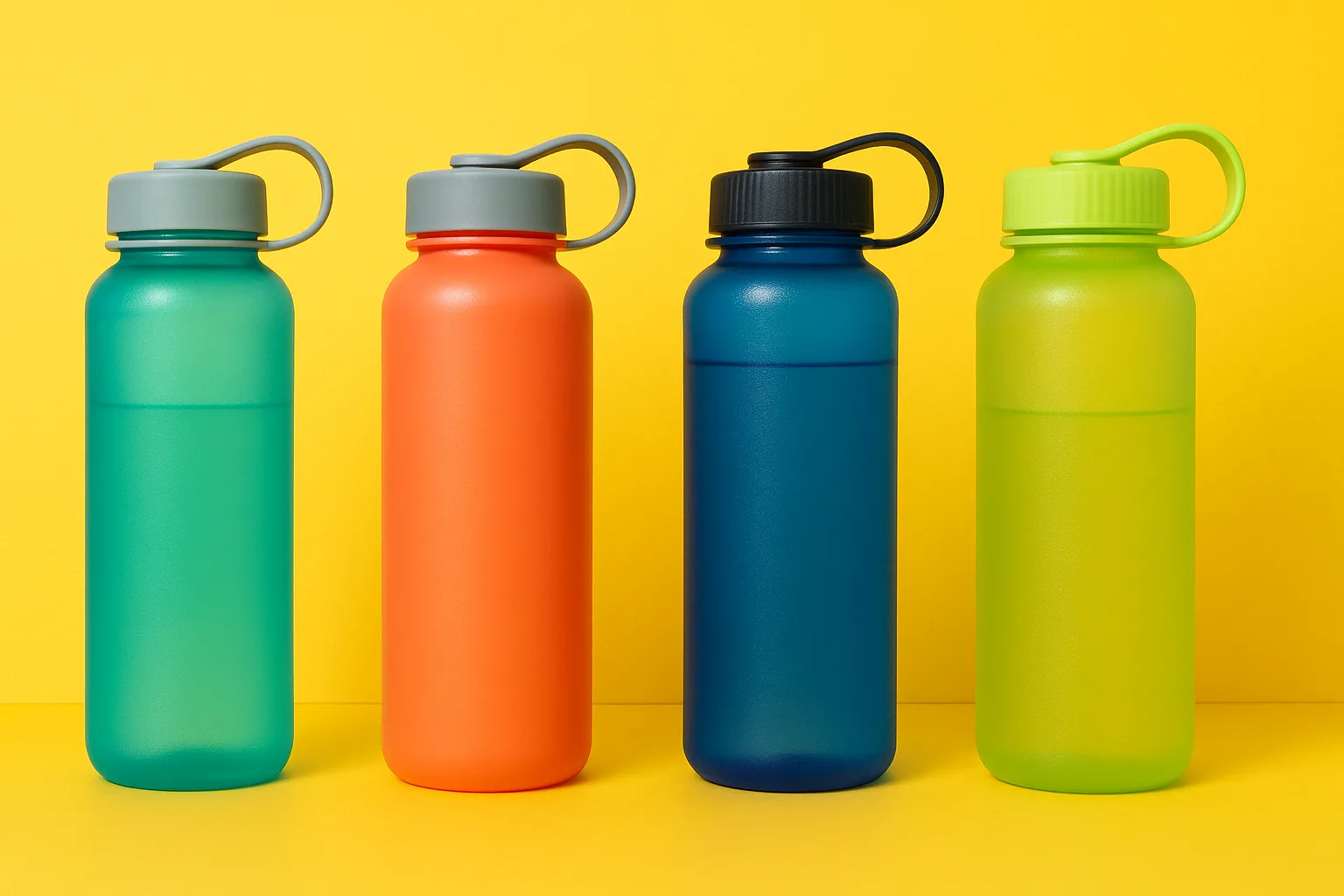

As environmental awareness continues to rise, the reusable water bottles market is emerging as a pivotal force in the packaging industry. With more consumers prioritising eco-friendly alternatives, reusable bottles made from materials like plastic, glass, metal, and polymers are becoming increasingly popular—not just for convenience, but as a conscious choice against single-use plastic waste.
These bottles, designed for portability and durability, have grown beyond being a lifestyle accessory. They’re now central to sustainability efforts by individuals, businesses, and even governments. Key industry players such as Aquasana Inc., Nalgene, Contigo, CamelBak, and Tupperware Brands Corporation are introducing innovative designs and features to attract a broader consumer base while supporting environmental goals.
Eco-Conscious Innovation Meets Smart Technology
The market is undergoing a transformative shift, thanks to artificial intelligence (AI). From analysing consumer behaviour to enhancing production efficiency, AI is playing a major role in driving sustainability across the reusable bottle sector. Machine learning algorithms help manufacturers assess material quality, predict trends, and even design custom bottles that meet specific customer needs.
Personalisation is another fast-growing trend. AI-powered insights are enabling companies to craft bottles that reflect consumer lifestyles—be it through ergonomic shapes, customisable colours, embedded filters, or even smart tracking capabilities. These advancements are turning reusable bottles into functional fashion statements and sustainable tech accessories.
Corporate Sustainability Programs Fuel Market Growth
A significant push is coming from the corporate world. More companies are distributing reusable water bottles to employees as part of broader sustainability programs, aligning corporate practices with eco-responsible values. By encouraging refill culture, organisations not only cut down on plastic waste but also strengthen their brand’s green reputation.
However, the market faces some resistance. The higher initial cost of reusable bottles—especially those made from high-end materials like stainless steel or premium glass—can be a deterrent for price-sensitive consumers. Yet, many view it as a long-term investment with both financial and environmental payoffs.
Style, Functionality, and Customisation Drive Demand
Consumers today aren’t just looking for any reusable bottle—they want one that fits their lifestyle. As a result, brands are focusing on innovation in both design and materials. Features such as thermal insulation, leak-proof lids, ergonomic grips, and smart sensors are turning these bottles into everyday essentials.
Additionally, customisable features such as personalised colours, engravings, and logos are helping consumers express individuality while supporting sustainability. Collaborations between designers, eco-conscious organisations, and bottle manufacturers are further driving creativity and awareness, especially among younger audiences and institutions.
Partnerships and Education Fuel Expansion in Emerging Markets
To grow further, companies are partnering with governments, NGOs, and educational institutions to spread awareness and promote sustainable practices in developing regions. By participating in training programs and awareness campaigns, brands can influence consumer behaviour and encourage long-term ecological habits, opening new doors in untapped markets.
Still, affordability remains a challenge. While reusable bottles offer savings over time, their upfront costs can discourage some consumers—particularly in low-income regions—from making the switch. Overcoming this hurdle through subsidised programs or community initiatives may hold the key to global market penetration.
2024 Market Insights: Plastic and Supermarkets Lead the Way
In 2024, plastic dominated the materials segment, owing to its affordability, lightweight nature, and ease of customisation. Despite environmental concerns, BPA-free and recyclable plastics remain popular for their practicality, especially among fitness enthusiasts and families.
Meanwhile, supermarkets and hypermarkets led the distribution channel, offering convenience, variety, and competitive pricing. With wide in-store selections and promotional deals, these outlets remain the go-to choice for consumers seeking both quality and value.
A Greener Future in Every Sip
The reusable water bottles market is no longer a niche—it’s a global movement. With smart technology, creative design, and strong sustainability goals driving the momentum, reusable bottles are poised to reshape how we hydrate, package, and protect the planet.
As innovation continues and eco-consciousness grows, one thing is clear: the future of packaging may be as simple as a bottle—but one that’s reused, reimagined, and respected.
Source : https://www.towardspackaging.com/insights/reusable-water-bottles-market-sizing