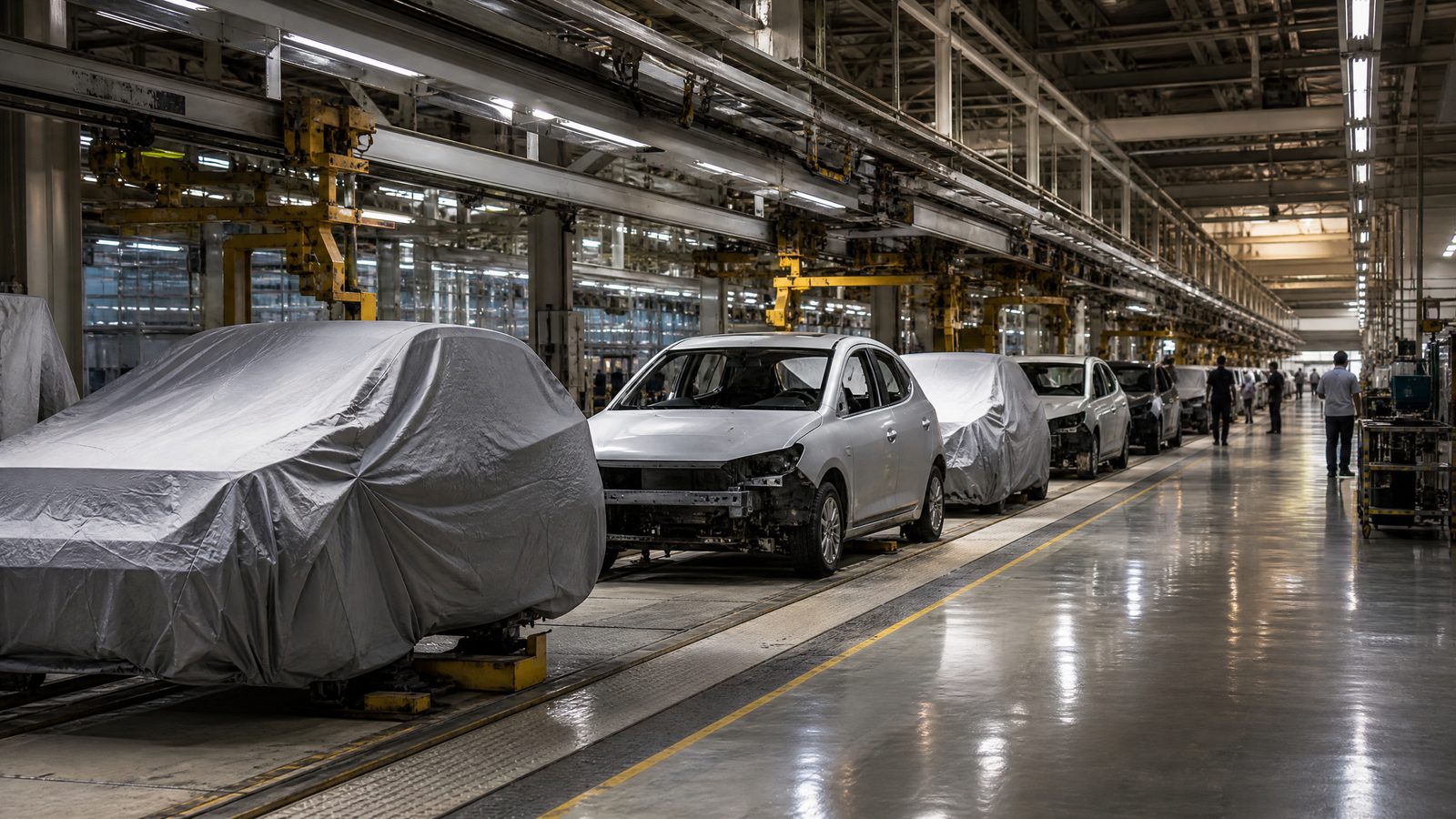

Vietnamese electric vehicle manufacturer VinFast has reportedly suspended its ambitious plans to locally manufacture three of its electric vehicle models in India. The decision, which affects the development of the VF3, VF6, and VF7 models, highlights the significant cost pressures and operational challenges faced by emerging automakers as they attempt to scale operations in highly competitive international markets. According to reports citing an internal company memo and industry sources, the suspension stems primarily from difficulties in meeting the planned costs associated with developing automotive components locally within the Indian market.
Navigating Cost Pressures in a Key Market
The strategic pivot underscores the intense financial scrutiny and supply chain complexities inherent in establishing a robust local manufacturing presence. Developing a comprehensive local supply chain requires substantial upfront investment and a high degree of coordination with regional suppliers. In this instance, the inability to align the projected costs of local part development with the company’s financial targets appears to have necessitated a pause in the manufacturing initiative. Consequently, VinFast has instructed its network of suppliers to halt all ongoing development work related to these specific models in India.
Furthermore, the automaker has requested that these suppliers provide a detailed and comprehensive breakdown of the investments they have made to date. This move suggests that the company is evaluating potential reimbursement processes for the costs incurred by its partners during the initial phases of the now-suspended project. Such measures reflect an effort to manage supplier relationships carefully, even as strategic priorities shift in response to economic realities.
Ongoing Assembly and Market Commitment
Despite the suspension of local manufacturing plans for these specific models, VinFast remains active in the Indian automotive sector. The company has been careful to clarify that it has not altered or suspended its plans regarding the VF6 and VF7 models that are currently available for sale in the country. Instead of local manufacturing, the automaker will continue to assemble these vehicles at its existing factory using imported kits. This approach allows the company to maintain its product offerings and market presence while mitigating the immediate financial risks associated with full-scale local production.
The decision to rely on imported kits for assembly, rather than full local manufacturing, is a common strategy employed by international automakers entering or expanding within complex markets. It provides a degree of flexibility and reduces the capital expenditure required to establish a comprehensive local supply chain. By adopting this model, VinFast can continue to serve its customer base in India while reassessing its long-term manufacturing strategy in the region.
The Broader Implications for the Global EV Race
The challenges encountered by VinFast in India are emblematic of broader trends within the global electric vehicle industry. As the transition to electric mobility accelerates, automakers are under immense pressure to expand their manufacturing footprints, secure reliable supply chains, and achieve economies of scale. However, the costs associated with these endeavours are substantial, and companies must carefully balance their growth ambitions with financial sustainability.
For UK readers and international observers following the evolution of the electric vehicle market, this development serves as a reminder of the intricate balancing act required to succeed on a global scale. The Indian market, with its vast potential for growth and increasing consumer interest in electric vehicles, remains a crucial battleground for automakers. While the suspension of local manufacturing plans represents a setback for VinFast’s initial strategy, the company’s continued commitment to assembling and selling vehicles in India indicates that it still views the market as a vital component of its long-term vision. The evolving dynamics of the global automotive industry will continue to demand agility and strategic foresight from all participants as they navigate the complex realities of international expansion.