

AI image generation tools have changed how creators produce blog illustrations, social media graphics, advertising concepts, and promotional materials. Each type of platform offers a different creative experience. Some prioritise conversational editing, while others focus on visual reasoning, rapid experimentation, or connected marketing workflows.
Here are four categories of AI image generation tools worth understanding, along with how platforms that combine AI Chat with visual creation tools are changing the way marketers approach campaign development.
1. Conversational Image Editors
Some AI image tools allow users to create and edit visuals through natural-language conversations. Creators can begin with a general prompt and then request changes to the composition, style, setting, or individual elements.
This iterative approach is useful for article illustrations, concept development, and projects that require several rounds of refinement. Conversational image editors also support continued adjustments without requiring users to restart the process from scratch, making them well suited for workflows that involve ongoing creative feedback.
2. Multi-Model Platforms with Integrated Workflows
Some platforms connect campaign planning, content creation, image generation, and specialised design tools within one environment. This type of setup allows marketers to move from strategy to execution without switching between multiple applications.
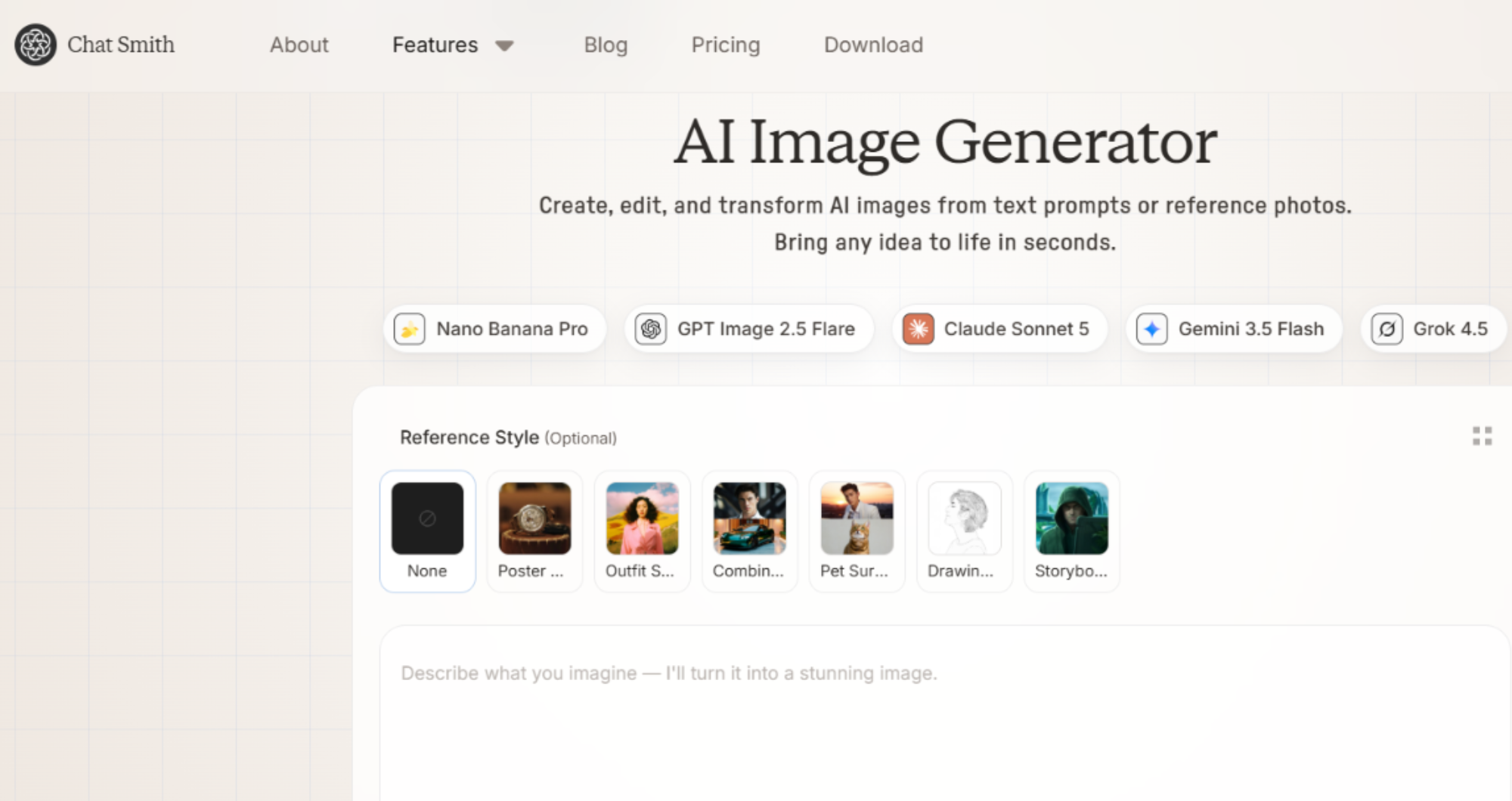
Within these platforms, an AI Image Generator powered by multiple leading image models can give creators access to a range of creative capabilities in one place. Instead of relying on a single image-generation ecosystem, users can produce realistic images, illustrations, product concepts, social media graphics, and campaign visuals using different model strengths depending on the task.
This all-in-one workflow is particularly useful for creators and small businesses that want to move from an initial campaign idea to written messaging and visual assets without managing several separate tools. Marketers can define an audience, develop campaign ideas, and prepare headlines, captions, or promotional copy before moving directly into image creation within the same platform.
3. Specialised Poster and Promotional Design Tools
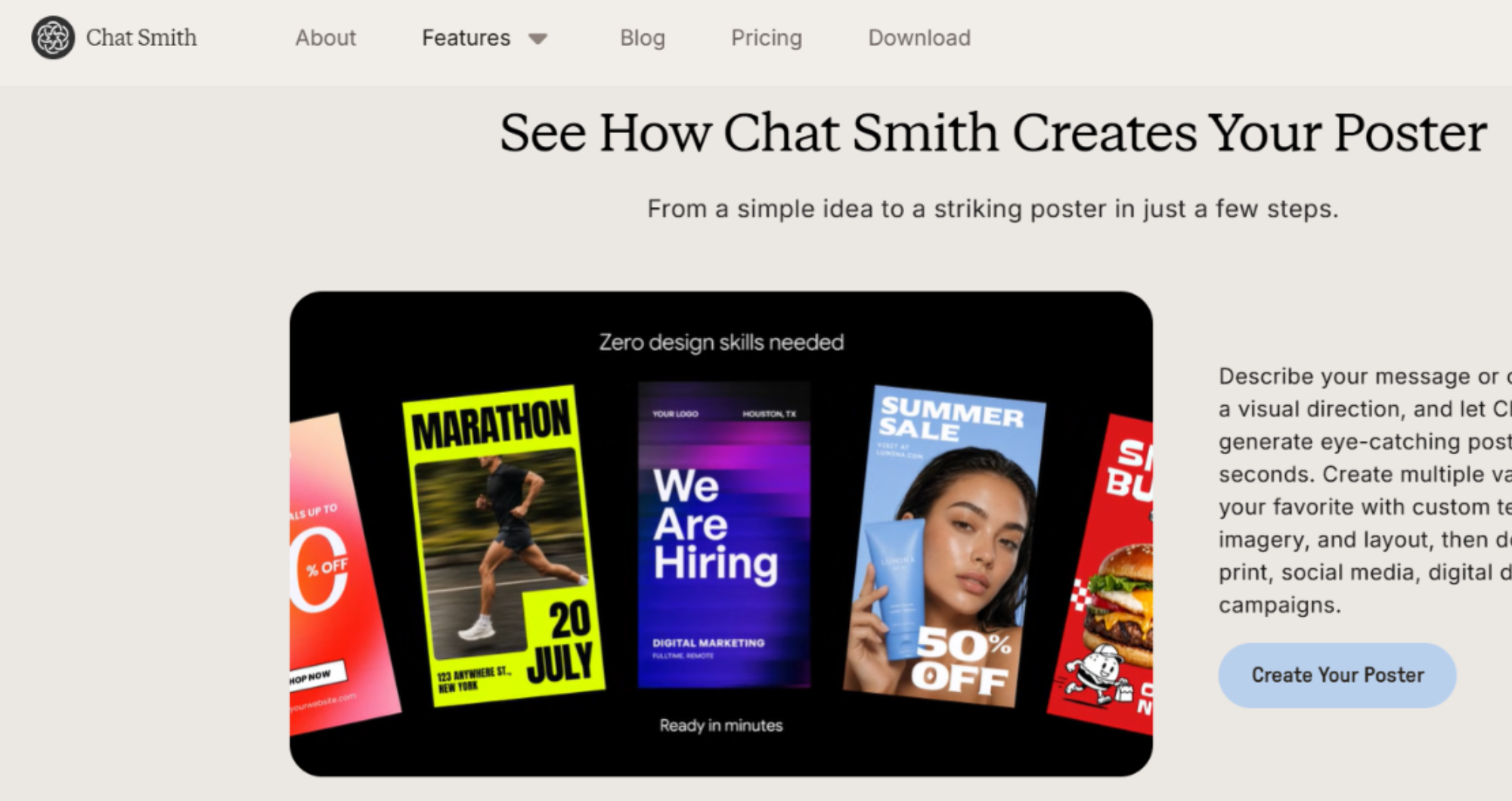
Some platforms include dedicated tools for producing event posters, promotional graphics, and marketing announcements. An AI Poster Generator allows users to generate poster concepts from text prompts and refine them to suit a specific message and visual identity.
These tools are useful for events, promotions, announcements, and marketing campaigns where visual consistency and speed are both important. Rather than starting from a blank canvas, creators can generate multiple design directions quickly and then adjust elements such as layout, colour, and text to match their needs.
4. Reasoning-Based and Experimental Image Tools
Some AI image tools combine image generation and editing with broader reasoning capabilities. These are particularly useful for information-rich visuals, including infographics, diagrams, prototypes, presentations, and educational content. They can also transform existing images, making them suitable for projects that require both visual creation and structured communication.
Other tools in this category support text-to-image generation, image editing, and visual restyling. Creators can adjust backgrounds, lighting, composition, and aspect ratios while exploring different versions of an idea. Support for both image and video generation makes these tools useful for social media teams and creators developing content across multiple formats.
How to Choose the Right Approach
Different tools serve different needs, and the right choice depends on the type of work involved:
- Conversational image editors work well for iterative projects that require multiple rounds of feedback and refinement.
- Multi-model platforms are useful when image generation is part of a broader marketing or content workflow.
- Specialised poster tools are suited for event promotion, campaign graphics, and announcement materials.
- Reasoning-based tools are a strong fit for structured, information-rich visuals such as infographics and educational diagrams.
- Experimental tools that support both images and video are practical for teams producing content across multiple formats.
Understanding what each type of tool does well makes it easier to match the right platform to a specific creative or marketing task.
Conclusion
AI image generation tools vary significantly in how they work and what they are designed to do. Conversational editors support iterative refinement, while reasoning-based tools handle structured and information-rich visuals. Experimental platforms allow fast creative exploration across images and video. Multi-model platforms with integrated workflows are especially relevant when image generation forms part of a broader marketing process, combining text-based planning, image creation, and specialised design tools within one connected environment. Knowing the differences between these approaches helps creators and marketers make more informed decisions about which tools to use for different types of projects.







