
Adult diaper rash is a prevalent condition in those requiring incontinence briefs. Studies estimate that many adults in long-term care facilities may experience some form of diaper rash at some point, causing significant discomfort and irritation.
Prolonged moisture exposure significantly contributes to skin inflammation, breakdown, and irritated rashes in incontinent adults. As such, it is vital to understand prevention strategies and best practices for diaper area hygiene for those facilities or caregivers who assist patients with incontinence.
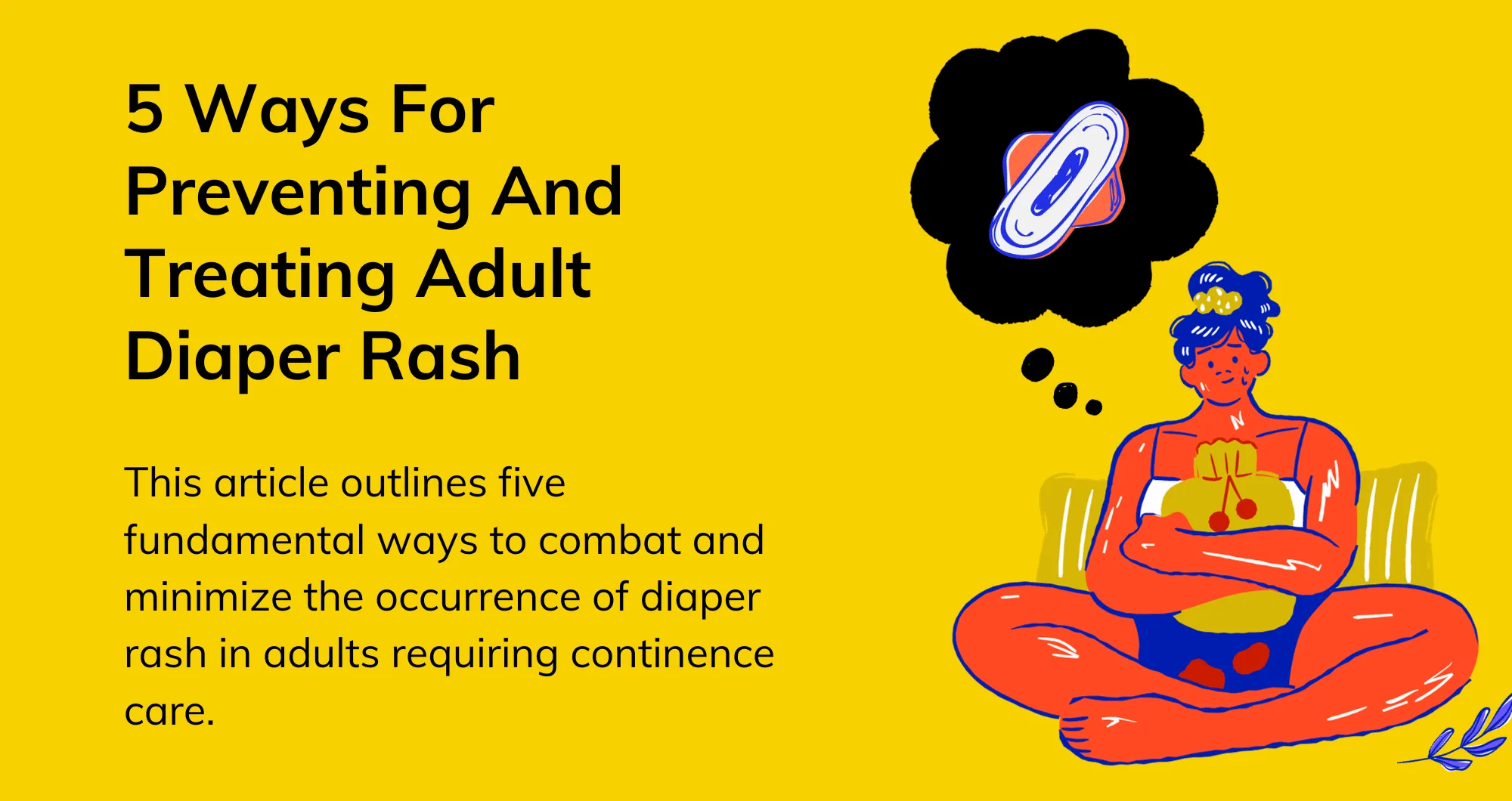
This article outlines five fundamental ways to combat and minimize the occurrence of diaper rash in adults requiring continence care.
Choose the Right Diapers
Managing healthcare needs and cultivating positive provider relationships is a paramount consideration when caring for elderly parents, particularly when addressing conditions like incontinence. Honest communication with healthcare experts is essential to ensure a comprehensive understanding of the specific requirements and challenges associated with incontinence. This involves discussing symptoms and potential causes and exploring suitable treatment options. Establishing a strong rapport with healthcare providers fosters a collaborative approach, enabling caregivers to actively participate in decision-making and treatment plans.
Furthermore, caregivers must be well-versed in the proper use of incontinence items, such as adult diapers or pullup for adults, and maintain a consistent routine for changing and hygiene. Establishing clear communication channels with healthcare providers ensures that caregivers receive timely guidance on managing incontinence effectively, including strategies for maintaining skin health and preventing complications.
Maintain Good Hygiene
Consistently practicing gentle yet thorough cleansing of the diaper area with each brief change is imperative for rash prevention. Use only soft, mild wipes or dampened cloths free of fragrances, alcohol, or harsh chemicals that strip skin oils and further dry out already compromised skin integrity. Express caution in choosing cleansing products – even those marketed as “gentle” or “sensitive” can still irritate through repetitive use.
Gently pat away any residue or buildup using the no-rinse cleansing cloths or mild, PH-balanced wipes. Do not induce friction through harsh rubbing that can worsen reddening and rashes. Allow the area ample time to completely air dry after cleaning and before reapplying a fresh diaper to restore slight surface hydration.
Furthermore, for those with limited mobility and frequent voiding, every two hours diaper check protocol prevents escalation of dermatitis from constant skin moisture and friction. Meticulous cleaning followed by drying lowers risks for residents with high fluid intake needs.

Use Protective Creams
Applying topical skin protectants in a consistent coating after each diaper area cleansing adds a vital defence layer between vulnerable skin and sources of irritation like urine, faeces, heat, and friction inside the briefs. Barrier creams and ointments provide this protective layer to seal out moisture and irritation as they possess components like zinc oxide or petroleum jelly, which remain intact on the skin for hours before the following diaper change.
These barrier creams should exhibit high viscosity to remain on the skin’s surface to serve their sealing purpose rather than absorbing or quickly rubbing off onto the diaper padding at first contact with moisture. Thus, before application, ensure creams exhibit the proper thickness for adherence through an estimated two-hour diaper cycle by testing a small amount on the back of the hand before deploying to a rash area. Reapply after each wiping at diaper changes. HARTMANN Direct’s incontinence skin care range is ideal for preventing diaper rash.
Monitor Diet and Hydration
Internally supporting patient health through proper diet and hydration promotes skin resilience overall. Consistent hydration ensures the body can maintain blood flow and nutrient transport towards self-healing infected or inflamed areas prone to sores. Recommended daily fluid intake levels for adequate hydration vary based on health factors and should be adjusted to match ongoing losses from frequent voiding, which can be substantial.
Incorporate nutritious, high-fibre fruits and vegetables and anti-inflammatory components into diet plans that improve infection resistance and speed recovery once compromised. Foods with Omega fatty acids, turmeric, green tea extracts, and Vitamins C and D, among other elements, strengthen skin integrity when consumed regularly.
Give Periodic Respite from Diapers
Allotting occasional, brief respites from diaper pressure allows dehydrated skin to rebalance and recover strength to resist irritation over the long-term care cycle. During naps, resting periods while sitting upright, or even when bed-bound, suspending the diaper for 10-15 minutes allows airflow across affected regions to partially restore moisture and temperature balance while giving inflamed areas a break from abrasion.
Ideally, facilities can identify windows in daily schedules suited for diaper-free breathers based on times of lower risk for uncontrolled voiding, like early after mealtimes when residents remain stationary. For bed-bound individuals on strict turning protocols, folding the diaper through one repositioning cycle serves a similar purpose. Even slight dryness reprieves make a difference in the long term.
Wrapping Up
A multipronged prevention approach targets several vital factors contributing to adult diaper rash – friction, excess skin moisture, irritation from bodily waste, pressure, and temperature buildup. Correct product selection minimizes moisture risks, while consistent hygiene limits residue exposure and protects vulnerable tissue.
Diet and breaks give skin integrity time to rebalance. While diaper rash may still occur despite best efforts, understanding and deploying these prevention fundamentals gives patients, facilities, and caregivers the best ability to minimize instances that impact comfort. Consistent, gentle care pays dividends for those in care.
Featured Photo by Ekaterina Shakharova on Unsplash