

The Art and Science of Cut Flower Packaging
Cut flower packaging plays a vital role in preserving the freshness, beauty, and value of flowers from the moment they’re harvested to the time they reach the customer. It’s not just about wrapping flowers in pretty paper—packaging is a blend of functionality and aesthetics. It protects delicate petals from bruising, keeps flowers hydrated, and helps them maintain their visual appeal during transportation, storage, and retail display.
The right packaging can make all the difference. From hydration wraps and floral foams that lock in moisture to insulated boxes that maintain cool temperatures for sensitive blooms like roses and tulips, the goal is to keep flowers fresh and stunning until they reach their final destination.
Sustainability Takes Root
With rising environmental awareness, the cut flower packaging industry is embracing greener practices. Eco-conscious consumers now favour biodegradable, recyclable, and compostable materials such as paper, cardboard, and plant-based films. This push toward sustainability is inspiring manufacturers to innovate and create packaging solutions that are both beautiful and better for the planet.
Collaborations between manufacturers, florists, supermarkets, and retailers are also on the rise. These help deliver packaging solutions tailored to specific customer needs while minimizing waste.
Innovation Blossoms: Smarter, Sleeker Packaging
Beyond sustainability, innovation is driving change in how flowers are packaged. One standout example is Uflex Ltd.’s ‘FlexFresh’ technology, which can keep flowers fresh for up to 15 days without water—a game-changer for long-distance shipping.
There’s also a growing demand for premium and customized packaging options, such as luxury flower boxes and designer wraps, that cater to high-end consumers. These upscale solutions are perfect for gifting occasions and elevate the overall floral experience.
The AI Revolution in Flower Packaging
Artificial Intelligence is breathing new life into the flower packaging industry. By combining smart technology with traditional floral care, AI is helping companies improve freshness, efficiency, and personalization.
Smart Sensors & Tags: AI-powered freshness sensors and IoT-connected tags monitor temperature, humidity, and ethylene gas levels in real time. These tools ensure that flowers stay in optimal condition throughout the supply chain.
Sustainable Materials: AI helps researchers and manufacturers develop new eco-friendly materials, optimizing packaging for durability and minimal environmental impact.
Predictive Analytics: AI forecasts demand based on season, weather, and trends, reducing waste and improving inventory planning.
Logistics Optimization: AI-powered route planning shortens delivery times, ensuring fresher flowers with every shipment.
Personalization & Automation: From AI-driven chatbots that recommend bouquets to robotic arms that sort and pack flowers, automation is making operations more efficient and customer experiences more tailored.
Bouquets Reign Supreme
In 2024, the bouquet segment continues to dominate the cut flower packaging market—and for good reason. Bouquets offer more visual appeal, variety, and perceived value than single-stem flowers. They’re often chosen for special occasions like weddings, anniversaries, Valentine’s Day, and corporate gifting.
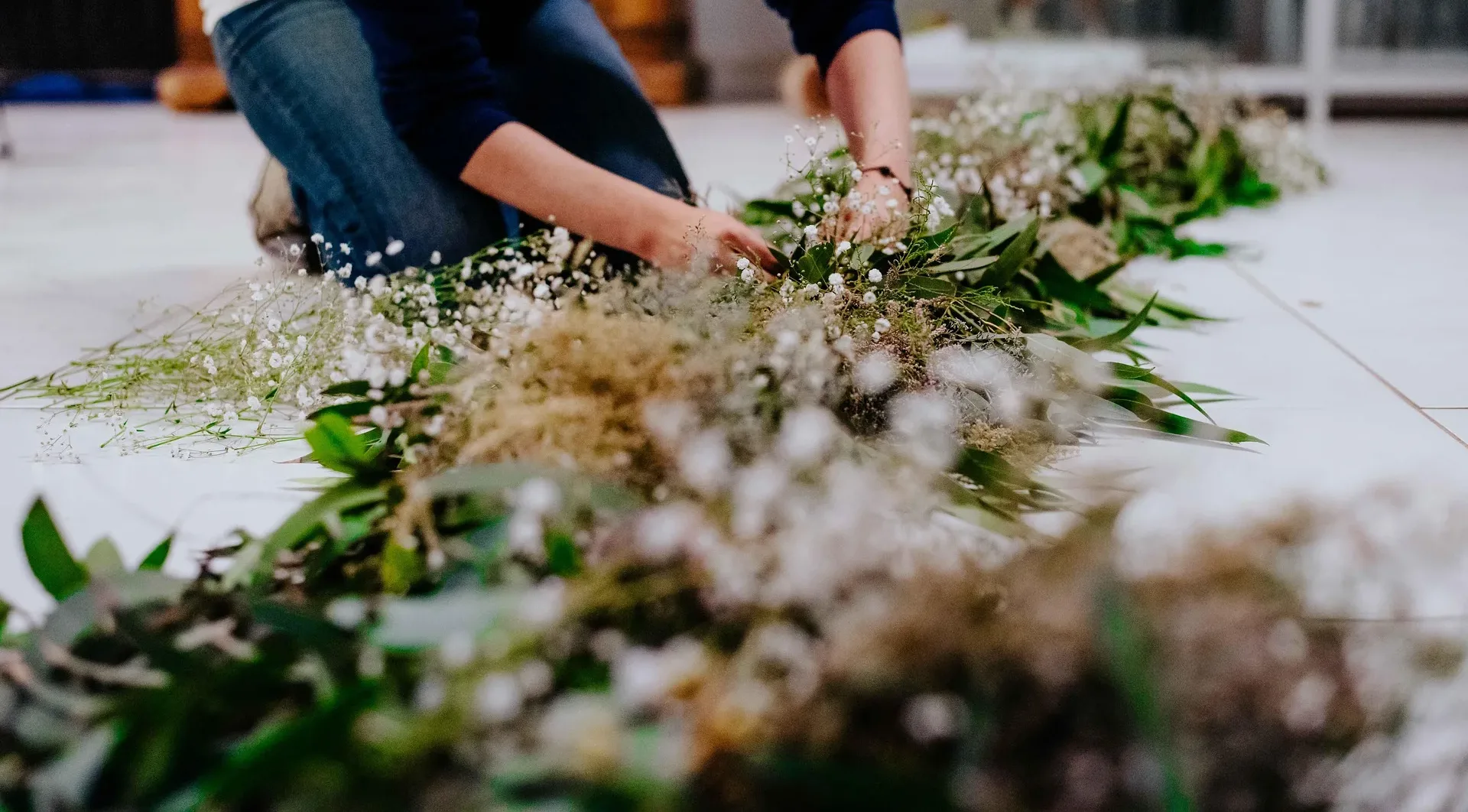
Pre-arranged and ready to display, bouquets are convenient and meaningful. A well-designed bouquet can express multiple emotions through a mix of flowers, colors, and textures. Add in filler flowers like eucalyptus or baby’s breath, and you get a lush, full appearance without a significant cost increase.
Source: https://www.towardspackaging.com/insights/cut-flower-packaging-market-sizing







