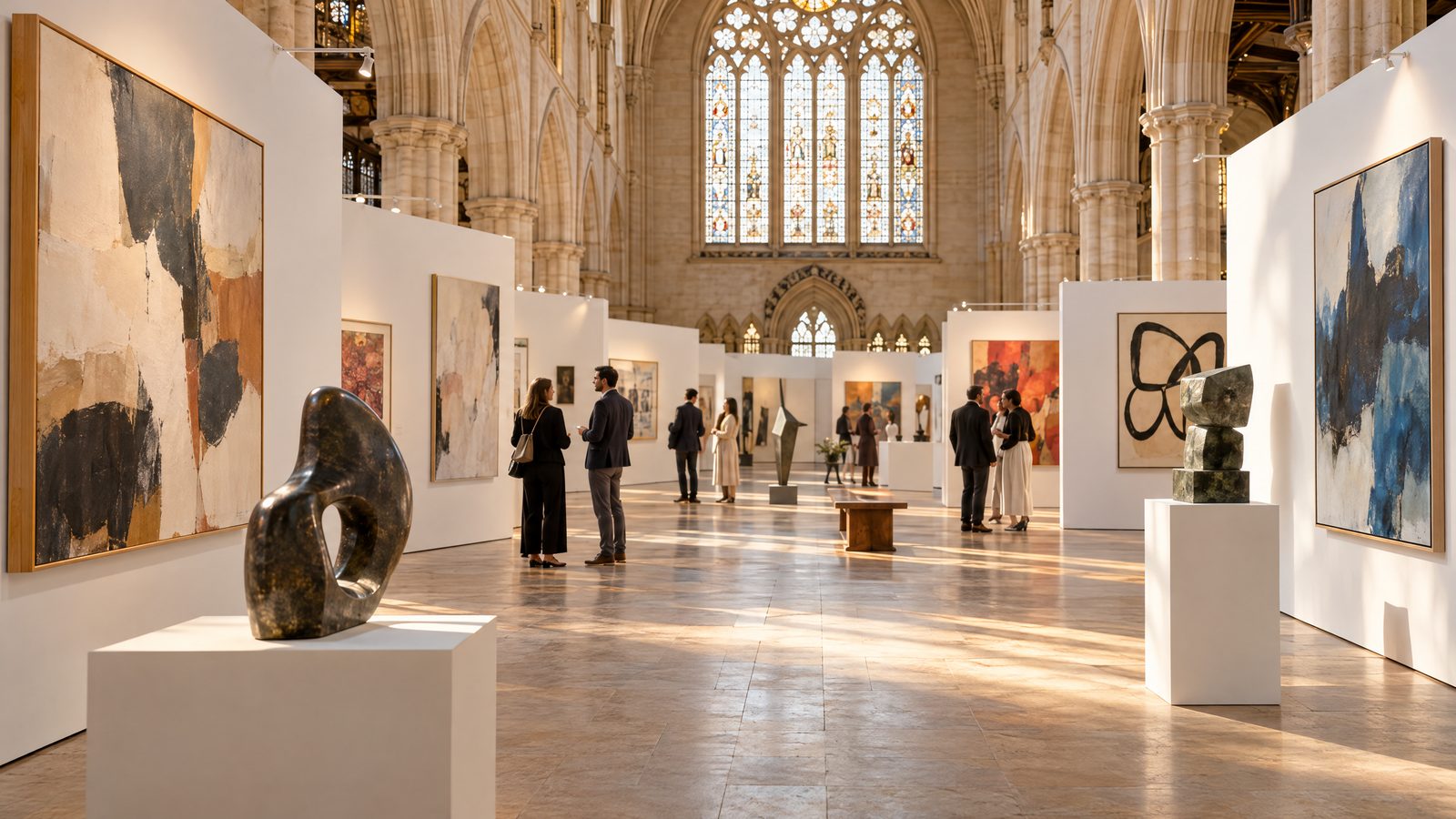

Fair Play has opened at One Marylebone with a model that puts individual artists in front of buyers without asking them to pay an upfront stand fee. The inaugural event brings 70 selected artists to the former church venue from 15 to 18 October, during London’s busiest week for contemporary art.
Instead of galleries renting booths and presenting a roster, each participating artist shows work directly to visitors. Artists can discuss how a piece was made, explain its context and handle the sale themselves. The organisers provide the exhibition space and audience; their income comes from a commission when work sells.
A different route into the fair circuit
The selection process combines an open call with a committee choosing artists on the quality of their work. The organisers say the aim is to make access depend less on an artist’s ability to finance exhibition space. Applicants did pay a £84 application fee, which included two tickets, but selected artists were not charged a stand fee. Those are different costs: the fee applied to applying, not to securing a booth.
Most of the 70 exhibitors were selected following the open call, with a smaller number invited. Many have no gallery representation, and for some this is their first art fair. Visitors can buy work from its maker, with prices spanning affordable entry points as well as more expensive pieces. The direct format also means artists shoulder practical responsibilities such as transporting, hanging, pricing and choosing what to show.
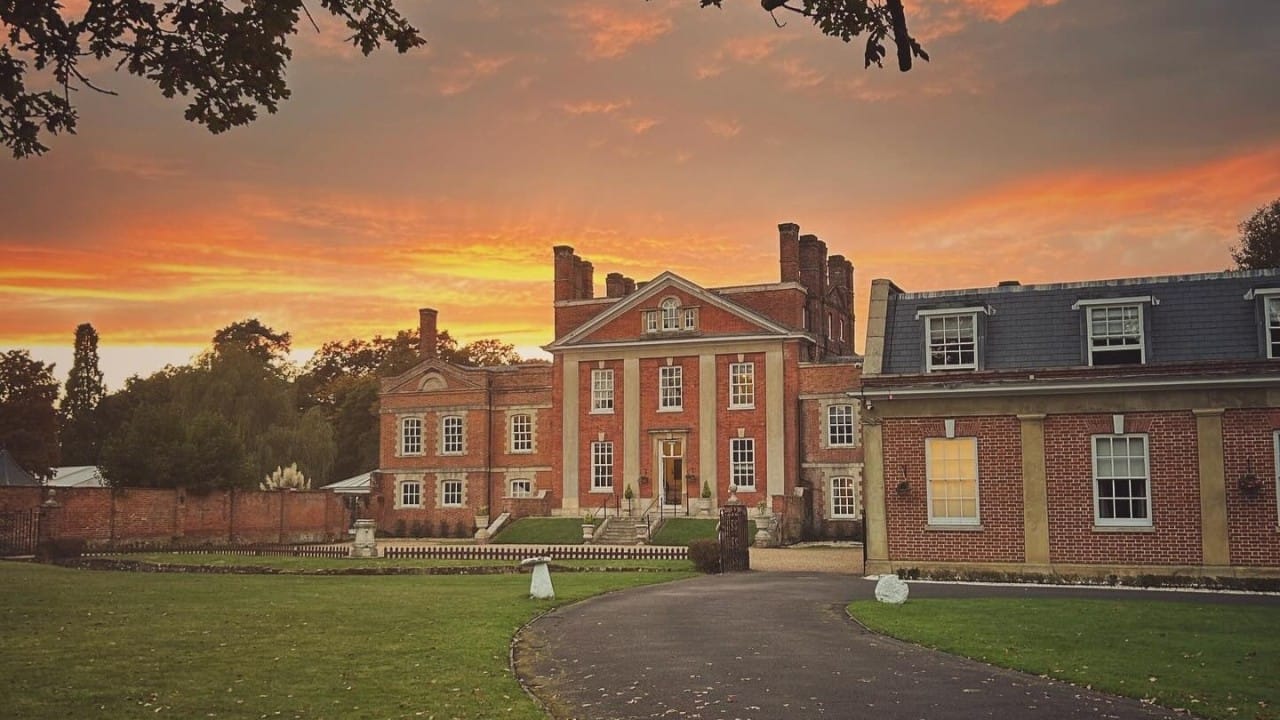
The fair occupies two floors of One Marylebone, whose galleries, vaults, garden and other spaces give the event a less conventional layout than a single hall of identical stands. Live performance, music, artist-led activity, food and late-night programming extend the visit beyond browsing. That wider programme is intended to bring a broader audience through the building, while keeping the art and artist conversations central.
Attendance is not the same as sales
The opening drew a substantial crowd. Founder Ryan Stanier said more than 3,000 people attended the private view, and visitors and artists described a busy first morning. Early sales appeared slower than the footfall suggested: at the time of the first day’s reporting, most artists spoken to had not yet sold work. One London artist had sold two sculptures, for £300 and £3,200, while another exhibitor reported enquiries about possible commissions.
Those early observations are a snapshot, not a final account of the four-day fair. A crowded opening can create conversations and future contacts without immediately producing purchases. For artists, the value of exhibiting may include meeting collectors and securing later commissions, but the event’s central test remains whether those contacts translate into meaningful income.
The commission arrangement is a key part of that test. The organiser earns only when work sells, aligning its revenue with artists’ sales in principle, while the share retained from each sale directly affects what an artist takes home. Public descriptions of the rate have differed: before opening, the founder described a 42 per cent commission; reporting on the first day described a 50 per cent cut including VAT. The rate therefore should not be treated as settled without a clear current statement from the organisers.
What the first edition will show
Fair Play is part of a wider experiment in how art fairs can serve artists and buyers. Removing stand rent lowers the up-front financial hurdle for selected exhibitors, while individual presentation gives visitors direct access to the person behind each work. It does not remove every cost or guarantee sales, and artists still take on the labour of preparing and bringing their work.
The first edition will be judged not only by the number of people through the doors, but by whether artists leave with sales, useful relationships and reasons to return. The organisers have described the event as a platform they hope to build over time. For now, the four days at One Marylebone offer an early test of whether a curated, artist-direct format can turn strong curiosity into sustained support for independent practitioners.