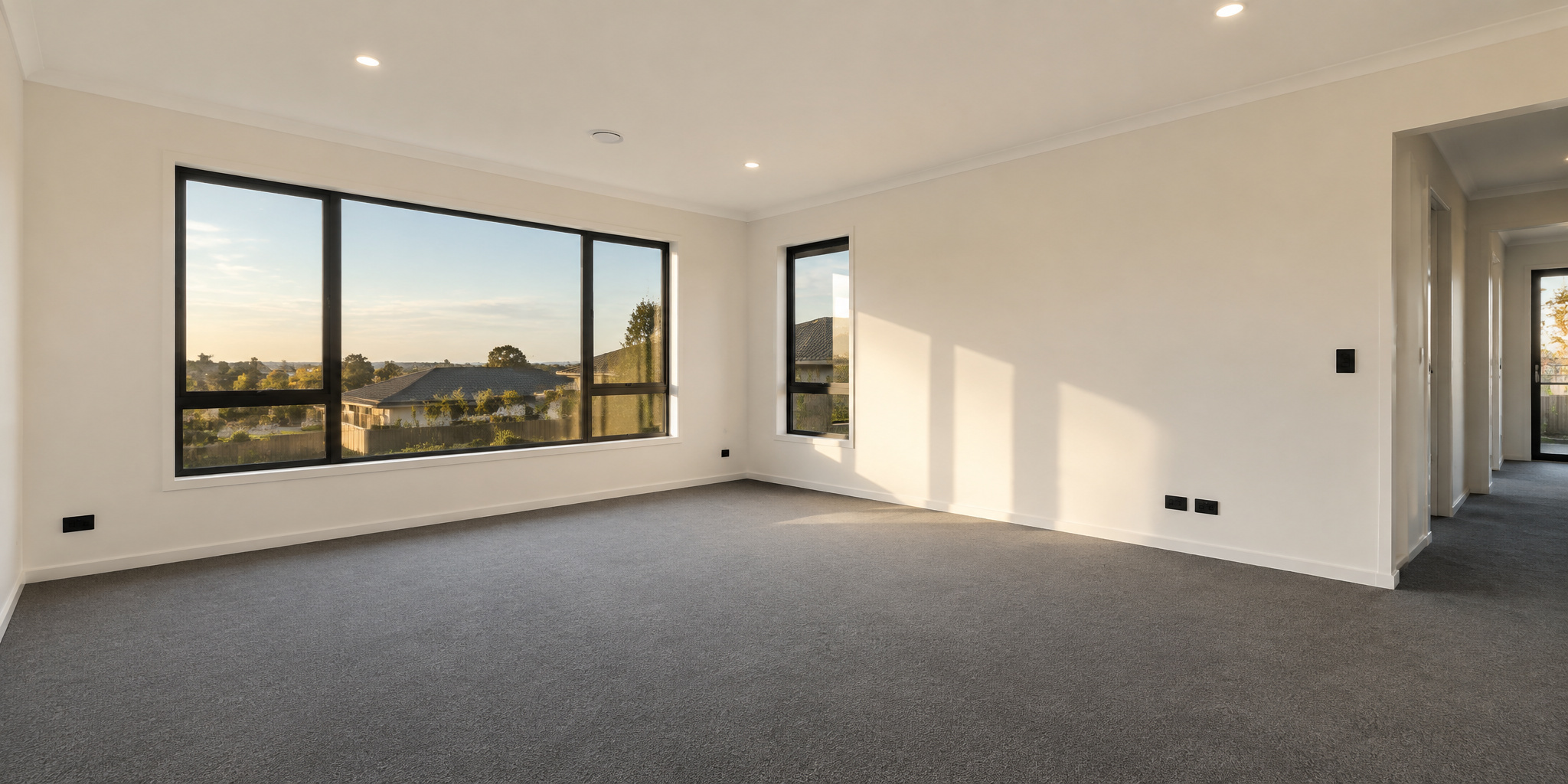

Renting a property almost always involves a decision that has little to do with location, price, or the view from the window. At some point, the question arrives: furnished or unfurnished? The answer shapes not only how the place looks on day one, but how much it costs, how long you stay, and how much control you have over the space you call home.
There is no universally correct choice. There is only the choice that fits your circumstances, and understanding the trade-offs makes that decision far easier.
The Case for Furnished
A furnished property offers immediate habitability. You arrive with suitcases rather than a van, and the essentials are already in place. For anyone moving for work, arriving from abroad, or renting for a short fixed period, this convenience is hard to overstate.
Furnished rentals also reduce upfront costs considerably. Buying a bed, sofa, table, wardrobe, and white goods can run into thousands, and much of it may not fit the next property anyway. For tenants who expect to move again within a year or two, avoiding that expenditure is a genuine financial advantage.
There is a practical benefit too. Short-term lets, corporate housing, and student accommodation are almost always furnished, and the market for unfurnished short lets is thin. If your timeline is measured in months rather than years, furnished is often the only realistic option.
The Case for Unfurnished
Unfurnished rentals appeal to a different set of needs, and the appeal is often stronger than people expect.
The first advantage is personal taste. Living with someone else’s furniture means living with someone else’s choices: their sofa, their colour scheme, their idea of a comfortable bed. For anyone who cares about their surroundings, that can become tiring quickly.
The second is quality. Landlord furniture is often chosen for durability and cost rather than comfort. Mattresses may be basic, sofas may be tired, and storage may be inadequate. Bringing your own furniture means sleeping on a bed you chose and sitting on a sofa you actually like.
The third is longevity. If you intend to stay for several years, the economics shift. The cost of furnishing a home is spread over a longer period, and the comfort of your own possessions becomes worth the investment.
The fourth is flexibility within the property. Unfurnished rentals usually give you more freedom to arrange rooms as you wish, hang pictures, and make the space your own.
The Middle Ground
In practice, many rentals fall between the two extremes.
Part-furnished properties typically include white goods, curtains, and perhaps a bed or a wardrobe, leaving the rest to the tenant. This can be an excellent compromise, covering the expensive essentials while leaving room for personal choice.
Some landlords are also flexible about removing furniture if a tenant prefers. It is always worth asking, particularly if the property is otherwise ideal.
The Practical Questions
Before deciding, a few practical considerations deserve attention.
How long will you stay? Under a year, furnished usually wins. Over three years, unfurnished often does.
What will it cost to furnish? Add up the essentials honestly, including delivery, assembly, and the items you always forget. Compare that with the premium that furnished properties often command.
What is included? Check the inventory carefully. “Furnished” can mean everything down to the cutlery, or it can mean a bed and a sofa. Ask for a list.
Who maintains what? In a furnished property, the landlord is usually responsible for repairing or replacing furniture that fails through normal use. Confirm this in writing.
What happens at the end? If you bring your own furniture, you will need to move it again. Factor in the cost and effort of removal.
Does it feel like home? This is not a trivial question. The space you live in affects how you feel every day, and a furnished flat that never quite feels yours can wear on you over time.
The London Dimension
In London, the furnished versus unfurnished question carries particular weight.
The rental market moves quickly, and furnished properties are common, especially in purpose-built developments and short-let arrangements. Competition for unfurnished homes can be fierce, particularly for families and long-term tenants who want to settle.
Space is another factor. London flats are often small, and bringing your own furniture into a compact property can be difficult. Landlord furniture is sometimes chosen precisely because it fits the space efficiently, even if it is not to your taste.
Storage matters too. If you own furniture but rent a furnished flat, you will need somewhere to keep your own belongings, and storage costs in the capital are not insignificant.
The Emotional Side
There is a dimension to this decision that rarely appears in the calculations, and it deserves a mention.
A furnished rental can feel like a hotel: comfortable, convenient, and never entirely yours. An unfurnished property, once filled with your own things, feels like a home. For some renters, that distinction matters enormously. For others, it matters not at all.
Neither response is wrong. But knowing which one describes you will make the decision much simpler.