Hair loss in women happens much more than people think. And it usually happens gradually.
Stress, strong products, or nutritional deficiency may affect your hair over time. You should not blame yourself or anybody when you see the hair loss signs. Luckily, it can be remedied through extensive hair treatments.
This guide shows you 5 everyday habits that stress the scalp, and what you should do. In essence, it is a guide to simple habits that can help you retain volume, reduce shedding, and feel calmer.
5 Mistakes That Cause Hair Loss in Women
Genetic factors can be a major contributing factor, but many cases of hair loss in women are a result of daily habits. These mistakes make strands weak and harm the scalp. After a while, they can cause increased hair loss. Finding out the causes on time can help keep your hair healthy and full.
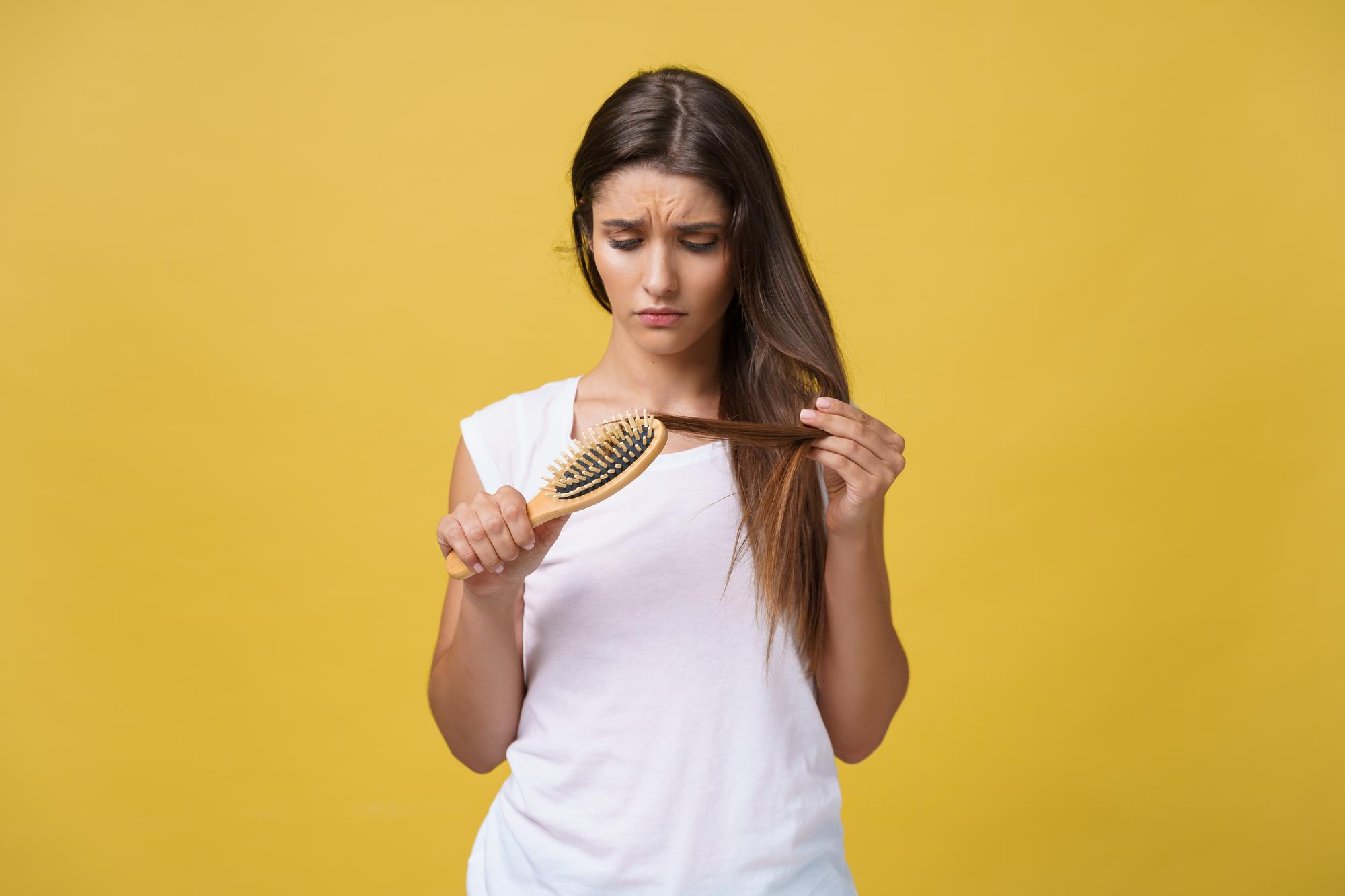
Here are the 5 mistakes that women make daily that contribute to their hair loss:
1. Wearing tight hairstyles too often
Tight styles pull on the roots. Gradually, this can swell up the scalp and weaken the hair follicle. This is called traction alopecia. Early signs include soreness, tiny bumps, and broken hairs along the hairline or part.
If the pulling carries on for months or years, scarring can form, and loss may be permanent. Choose looser styles. Rotate looks. Skip heavy extensions. If you feel pain, it is too tight. If you are worried, speak with a clinician; a careful check can spot early traction and guide care.
Practical tips are to use low-tension braids, large parting, and loose bands. Give edges a rest between styles. Sleep with a satin bonnet or pillowcase to reduce heat. Treat the hairline mildly.
If you notice shedding, visit a dermatologist, and simple steps such as stopping the pulling are the first step. In some cases, topical treatments may be advised after the tension is removed.
When you stop pulling your hair with tight hairstyles, your hair will return to its natural shape.
2. Using harsh chemical treatments regularly
Bleach, relaxers, and perms exacerbate hair loss in women. Repeated use of these chemically saturated haircare products can dry the shaft, cause split ends, and lead to breakage that looks like hair loss. These treatments may also irritate the scalp.
Some hair dyes contain PPD and can cause allergic reactions. Always patch tests. If you feel burning or stinging during a treatment when applying a dye, rinse and stop. Space out appointments as well.
Minimise repeated procedures (such as relaxing followed by bleaching). Request the gentlest products that will accomplish the task. Avoid applying chemicals to the scalp whenever possible. Follow instructions for aftercare precisely, and no heat on the same day. Use a bond-building or protein-rich conditioner after chemical services. If the scalp continues shedding, seek medical advice.
Basic measures like these reduce the chances of damage and aid in recuperation if you are noticing early signs of hair thinning in women.
Local clinics specialising in hair health, like Longevity Clinic, can evaluate scalp condition and overall wellness if you require a customised plan.
3. Not Eating Nutrient-rich Meals
Healthy hair requires nutrients. When your food does not contain these nutrients, your hair growth cycle will be slow. This may lead to hair loss in women and slow growth.
Iron, zinc, and B vitamins are needed for good hair. Lack of protein can lead to weak strands that can break fast. Women who take diets or skip meals notice changes in their hair after some months.
To have healthy hair, eat food that has vegetables and healthy fats. Eat iron-rich foods such as spinach or lentils. Eat them alongside vitamin C sources to increase digestion.
A blood test can show if you have a lack of nutrients. When this issue is taken care of, your hair becomes better.
4. Overuse of heat styling tools without safeguards
Heat styling isn’t always the enemy, but too much of it can cause hair loss in women. High-temperature tools like blow dryers, flat irons, curling wands, and heated rollers are both good and bad for your hair.
They’re good because they’re styling tools. They’re bad because if you use them often, they can dry up the moisture in your hair from the cuticles. Setting your straightener up high or blow-drying every single morning will slowly dry your hair out.
With time, this harm can render hair weak, cause split ends, and make the hair more likely to break at the roots. This creates the look of thinning. You might not notice it at first, but breakage soon creeps in.
You must have seen friends cut their heat styling routine in half and watch their hair bounce back. What they did was use a lower heat setting, skip the daily sessions, and give their hair breaks by letting them dry on their own now and then. A bit of heat-protective spray goes a long way, too.
5. Don’t Ignore Your Scalp
Most people don’t think about their scalp until it starts itching. A few flakes here, a bit of redness there, easy to brush off. But these little things can be early warnings.
Problems like dandruff or eczema can affect your hair after a while. If you ignore an itchy area for some time, you might end up needing medicated shampoo to stop it.
If something feels abnormal, get it checked as soon as you can. Most times, you fix it quickly and simply if you don’t wait too long.
Hair Loss in Women: When It’s Time to See a Professional
Sometimes hair sorts itself out after a rough spell. Other times, it doesn’t. If you’re losing hair in clumps, notice bare patches, or feel pain when you touch your scalp, it’s not the moment to guess.
Go ahead to seek medical treatments for your hair. Possibly see a Trichologist. They can part your hair, take a good look, carry out scalp examination, ask the right questions, and run a few checks if needed. Once they help you figure out the problem, you can then work with suggested treatment options.
Longevity Clinic doesn’t just look at your hair in isolation. They’ll check your scalp, ask about your general health, and work out what’s going on underneath.
You might be told to add more protein to your meals, try a simple scalp cream, or even swap a daily habit or two.
Acting early is key; once hair’s gone, it’s much harder to get back, so keeping what you have is half the battle.
Conclusion
Hair loss in women can be difficult, and it feels like you have no control. Most times, little changes do help, like loose ponytails, and more care for your scalp. Eating well helps a lot, too.
If your hair breaks more than normal, don’t ignore it. Talk to someone who knows about it. If you’re close, Longevity Clinics can help you work out a plan that fits you.