
Designing a bathroom is one of the most rewarding home improvement projects you can undertake. Whether you are renovating an outdated space or creating a brand-new bathroom from scratch, the choices you make will impact both the functionality and the overall feel of your home. A well-designed bathroom should balance practicality with style, offering comfort while also adding value to your property.
Understanding how to choose the right bathroom design starts with careful planning, thoughtful material selection, and a clear idea of how the space will be used on a daily basis.
Understanding Your Space and Requirements
Before diving into styles and finishes, it’s essential to assess the space you are working with. Bathrooms vary greatly in size and layout, from compact cloakrooms to spacious family bathrooms or luxury en-suites. Each type of space requires a slightly different design approach.
Consider how many people will use the bathroom and at what times of day. A busy household may need dual sinks or additional storage, while a smaller space might benefit from wall-mounted fixtures to maximise floor area. Think about accessibility as well, especially if the bathroom needs to cater to different age groups or mobility requirements.
It’s also worth taking into account existing plumbing and structural limitations. Moving pipework can increase costs, so working with the current layout where possible can be a more efficient option.
Choosing a Style That Reflects Your Home
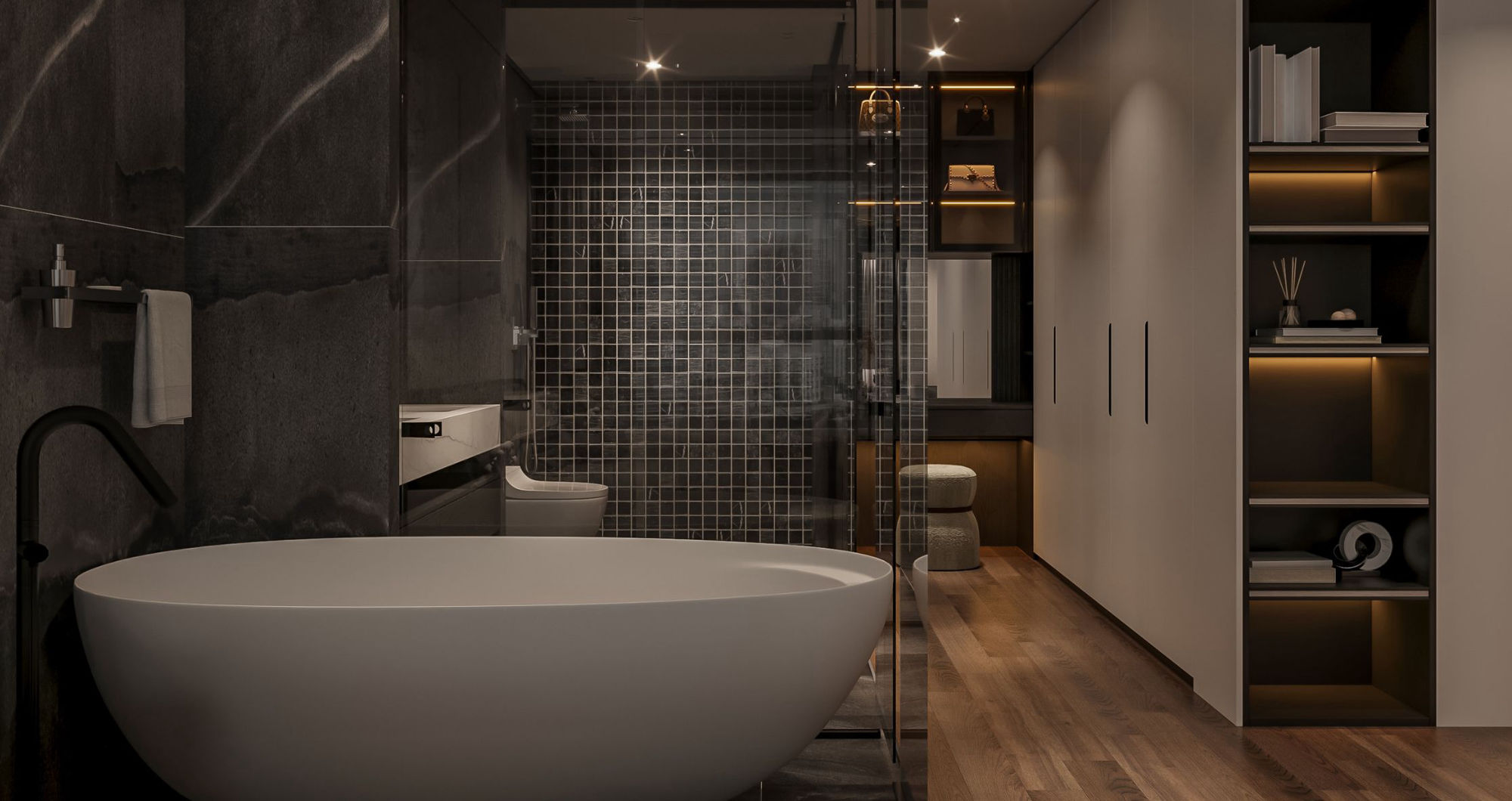
The design of your bathroom should complement the overall style of your home. A modern property may suit clean lines, neutral tones, and minimalist fittings, while a period home might benefit from more traditional features such as freestanding baths or classic tiling.
That said, bathrooms also offer an opportunity to introduce a slightly different aesthetic. Subtle contrasts in colour or texture can make the space feel unique without clashing with the rest of the house.
When selecting a style, think long-term. Trends come and go, but a timeless design will remain appealing for years. Neutral palettes, quality materials, and simple finishes often provide the best balance between style and longevity.
Prioritising Functionality and Layout
A beautiful bathroom must also be practical. The layout plays a crucial role in ensuring the space is easy to use and comfortable. Positioning of key elements such as the toilet, sink, and shower or bath should allow for smooth movement within the room.
Storage is another important consideration. Clutter can quickly diminish the look of even the most stylish bathroom. Built-in units, vanity cabinets, and recessed shelving can help keep essentials organised while maintaining a clean appearance.
Lighting should not be overlooked. A combination of ambient, task, and accent lighting can enhance both functionality and atmosphere. For example, well-placed lighting around mirrors is essential for daily routines, while softer lighting can create a more relaxing environment.
Selecting Materials and Finishes
Bathrooms are exposed to high levels of moisture, so choosing the right materials is vital. Tiles are a popular choice for both walls and floors due to their durability and water resistance. Natural stone, porcelain, and ceramic all offer different looks and benefits.
When selecting finishes, consider how they will perform over time. Slip-resistant flooring can improve safety, while easy-to-clean surfaces will reduce maintenance efforts. High-quality fixtures and fittings may require a larger initial investment but often prove more cost-effective in the long run due to their durability.
Textures and colours can also influence the perception of space. Lighter shades can make a small bathroom feel more open, while darker tones can add depth and sophistication when used thoughtfully.
Incorporating Modern Features
Modern bathroom design often includes features that enhance comfort and efficiency. Underfloor heating, for example, can add a touch of luxury while also improving energy efficiency. Walk-in showers with frameless glass screens are increasingly popular for their sleek appearance and accessibility.
Water-saving fixtures are another important consideration. Eco-friendly taps, showers, and toilets can help reduce water usage without compromising performance. This not only benefits the environment but can also lower utility bills over time.
Smart technology is also becoming more common in bathroom design. From digital showers to LED mirrors with built-in demisters, these features can improve convenience and create a more contemporary feel.
Working with Professionals
While it may be tempting to manage a bathroom renovation independently, working with experienced professionals can make a significant difference to the final result. Skilled designers and installers can help you avoid common pitfalls, ensure compliance with regulations, and deliver a finish that meets your expectations.
For homeowners seeking reliable guidance and high-quality workmanship, consulting experienced Bathroom Fitters Derby can provide valuable insight into design options, material choices, and practical solutions tailored to your space. Their expertise can help bring your vision to life while ensuring the project runs smoothly from start to finish.
Balancing Budget and Quality
Setting a realistic budget is an important part of any renovation project. It’s essential to strike a balance between cost and quality, prioritising areas that will have the greatest impact on both functionality and aesthetics.
Investing in durable fixtures, reliable plumbing, and professional installation can prevent costly repairs in the future. At the same time, there are ways to manage costs without compromising on style, such as choosing mid-range tiles or focusing on key statement features rather than overloading the space with expensive elements.
Planning ahead and allowing for a contingency budget can also help you handle any unexpected expenses that may arise during the project.
Final Thoughts
Choosing the right bathroom design for your home involves more than simply selecting attractive fixtures and finishes. It requires a thoughtful approach that considers space, functionality, style, and long-term usability.
By taking the time to plan carefully and make informed decisions, you can create a bathroom that not only meets your practical needs but also enhances the overall comfort and value of your home. Whether you are aiming for a modern, minimalist look or a more traditional design, the key is to strike a balance between aesthetics and functionality, ensuring the space works seamlessly for your lifestyle.