


London pet owners could be overlooking subtle changes in their pets’ behaviour that may indicate pain or discomfort, new research from animal health company Zoetis UK has found.
When asked what they would assume if their pet stopped doing things they usually enjoyed, just 23% of London pet owners selected pain or discomfort as the most likely explanation. By comparison, 40% would assume their pet was simply getting older, while one in ten would think they were tired.
The findings also highlight how owners may delay seeking veterinary advice when they notice changes in their pet’s usual behaviour. Only 24% of London pet owners said they would contact their vet first, while 41% would monitor their pet for a few days and 14% would wait to see whether the situation became worse.
The research comes as Zoetis UK partners with Cats Protection to launch Silent Signs, a campaign raising awareness of the less obvious signs of chronic pain and osteoarthritis (OA) in pets of any age.
While World Arthritis Day often puts the spotlight on arthritis and pain in humans, the campaign aims to challenge the assumption that changes in pets’ behaviour are simply part of getting older, encouraging owners to pay closer attention to the subtle signs of pain and discomfort.
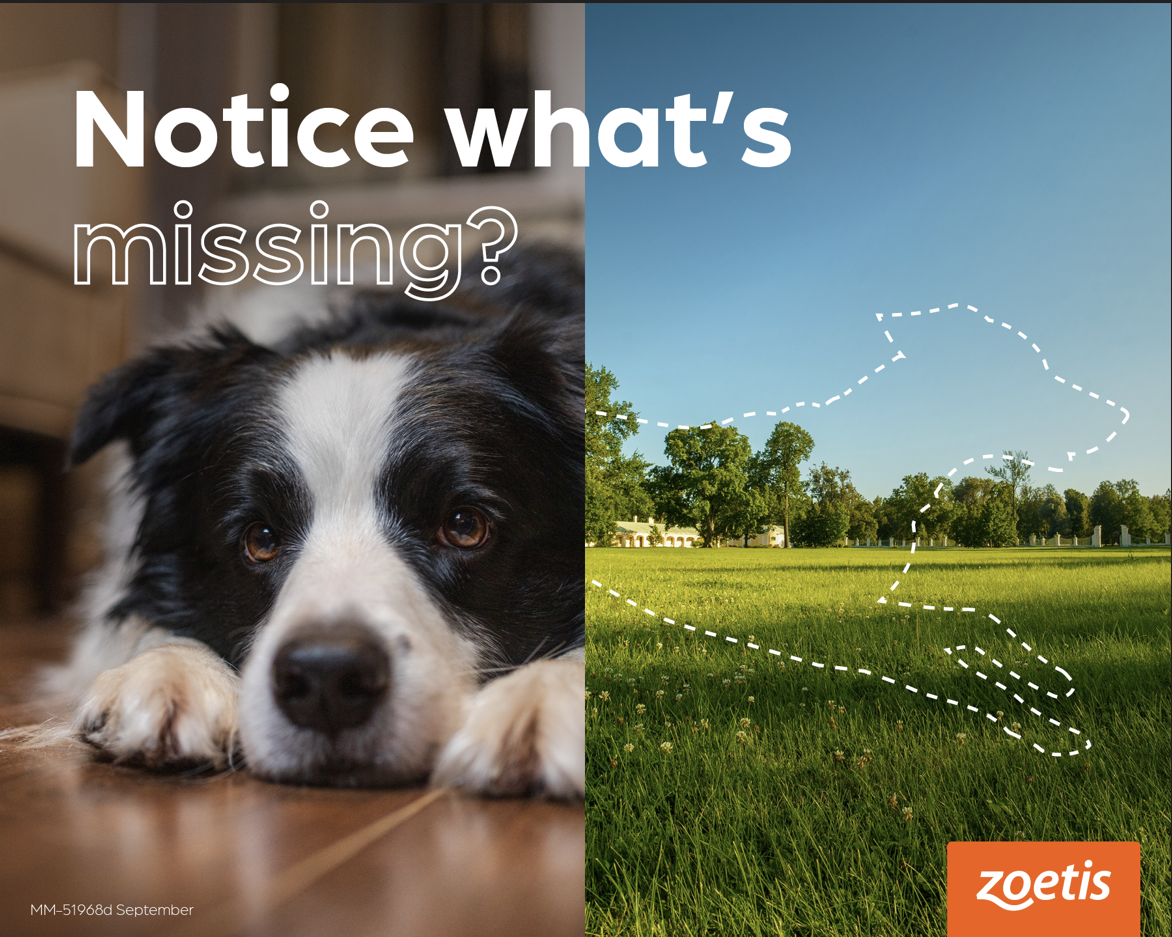
Noticing what’s missing
The campaign is asking owners to “Notice What’s Missing?” from their pet’s routine, highlighting how seemingly small changes in everyday activities and habits may be worth a closer look. A dog that no longer brings over a favourite toy or a cat that has stopped jumping onto a windowsill may be showing a subtle change that could indicate pain or discomfort.
Izzy Hocking BVSc MRCVS, Senior Veterinary Engagement Manager, at Cats Protection says:
“Many people assume that if an older cat stops doing something they once enjoyed, it’s just a normal part of ageing. However, cats are experts at hiding pain, and arthritis is very common in later life, affecting a high proportion of cats over 12 years of age. Subtle changes, such as grooming less, using a scratching post less often, being reluctant to jump onto favourite spots, hiding more, or playing less, can all be signs of discomfort. If you notice changes in your cat’s behaviour or mobility, it’s important to book a visit with your vet.”
Jonny Lambert, Companion Animal Veterinary Lead, from Zoetis says:
“When people think about pain in pets, they often picture something obvious, such as limping. But pain can be much more subtle, particularly when it develops gradually. A pet that becomes less interested in playing, stops joining in with family activities, or is no longer as keen to do things they once enjoyed may be showing one of the many Silent Signs that can be easy to attribute to getting older. By paying attention to what pets have stopped doing, owners can become more aware of potential changes in their wellbeing and have a conversation with their vet if they are concerned.”
As part of the campaign, Zoetis UK and Cats Protection have developed a free “Notice What’s Missing?” checklist to help pet owners track changes in their pet’s daily habits and recognise patterns that might otherwise be overlooked. The resource also encourages owners to speak to their veterinary professional if they have concerns about their pet’s wellbeing.
The campaign’s central message is that pain isn’t always what you see. Sometimes, it’s what you stop seeing. By paying attention to the activities, interactions and routines that may have quietly disappeared, owners can become more aware of potential changes in their pet’s wellbeing and seek veterinary advice when needed.
To find out more about the campaign and download the free checklist, visit: https://www2.zoetis.co.uk/about-zoetis/news-media/knowledge-hub/silent-signs-recognising-the-signs-of-pain-in-pets

Feature image by Bo Ponomari from Pexels







