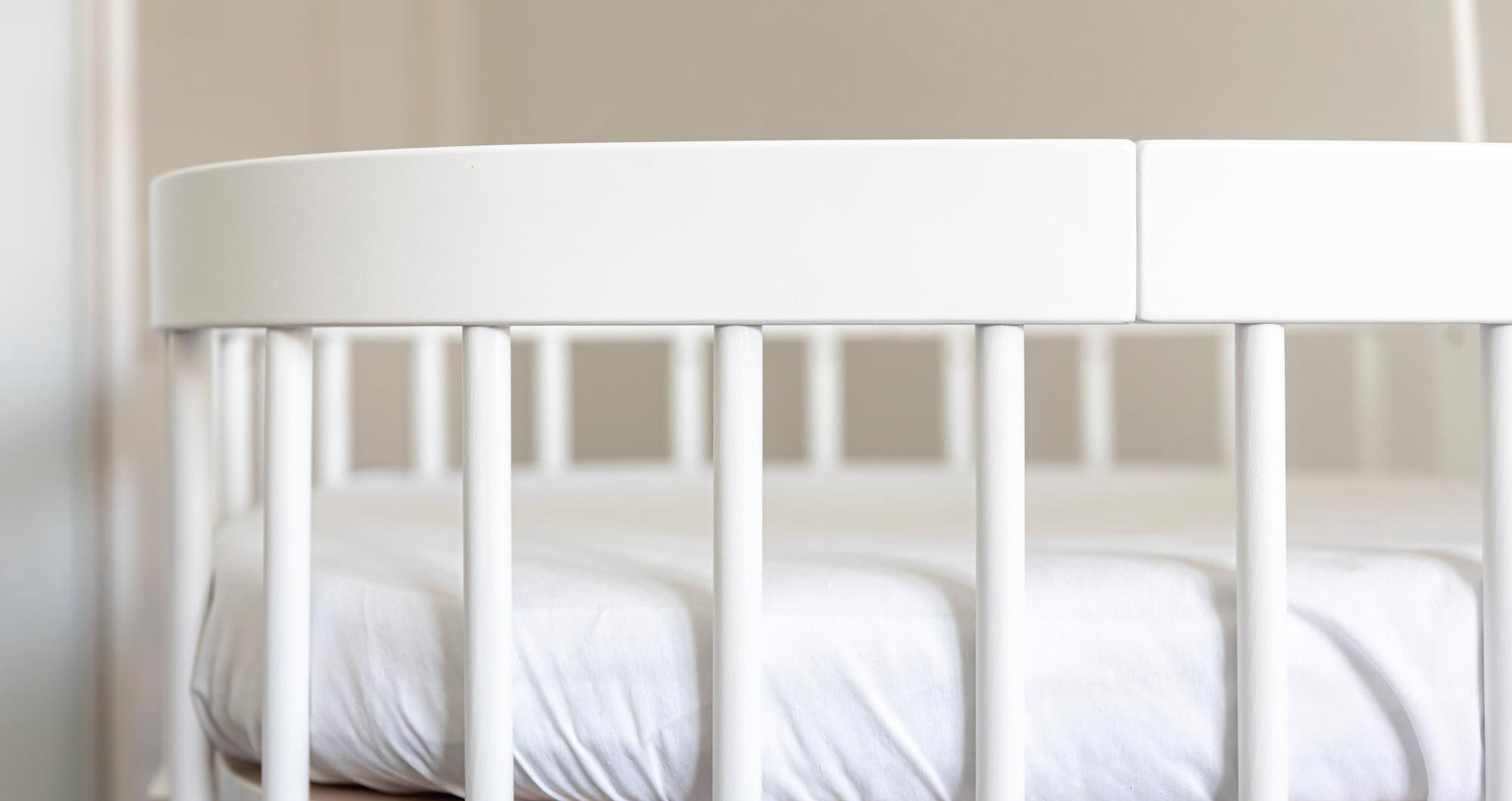

As parents, we are deeply familiar with the importance of “safe sleep”: placing the baby on their back, keeping the crib clear (Bare is Best), and ensuring a firm, snug mattress. These common guidelines form the first line of defence in infant safety. However, when we shift our focus from the sleep environment to the sleep instrument itself—the Crib—have you ever scrutinised the internal structure and material safety of this “fortress” that accompanies your child through their first few years?
A crib is more than just a piece of furniture; it is a complex system involving structural engineering, material science, and indoor air quality. When you look at a professional product like a Clafbebe crib, what lies behind it is the rigorous screening of materials, the demanding restrictions on the chemical composition of finishes, and the precise control over every piece of connecting hardware.
This article provides an in-depth professional knowledge guide, dissecting the three core elements of a crib: structural wood, non-toxic finishes, and metal hardware. We will explore what truly constitutes “the hand of a master” craftsmanship, and how these hidden scientific details define your child’s safety and healthy environment.
The Science of Wood and the Philosophy of Choice
The main structure of a crib is typically made of wood. But not all wood is created equal; its species, processing methods, and drying treatment directly determine the crib’s durability, stability, and long-term safety.
1. The Game Between Solid Wood and Engineered Wood
| Feature | Solid Wood | Engineered Wood (MDF/Plywood) |
| Structural Stability | Excellent. Resists warping and cracking; strong hardware retention for long-term use. | Poor. Susceptible to moisture damage; screw holes easily strip; low durability. |
| Durability | High. Can withstand multiple assemblies/disassemblies, suitable for convertible designs. | Low. Not suitable for repeated assembly; structural integrity declines after multiple uses. |
| VOC Risk | Low. The primary risk is from natural off-gassing and minimal adhesive use. | High. High use of adhesives like Urea-Formaldehyde during manufacturing leads to high formaldehyde release. |
- The Solid Choice: Why Solid Wood is Preferred
Solid wood (such as New Zealand Pine, Maple, or Ash) is the gold standard for cribs. Its natural fibre structure gives the frame excellent load-bearing capacity and resistance to warping. More importantly, solid wood securely grips the metal hardware, ensuring that screws and connectors do not loosen due to continuous pressure and movement as the baby grows, thus guaranteeing long-term structural stability. - The Critical Nature of Drying Treatment
Even solid wood can shrink or swell due to humidity changes if not professionally kiln-dried, potentially leading to changes in slat spacing and compromising the structure. Professional manufacturers (for example, Clafbebe crib strictly controls moisture content during raw material procurement) ensure that the wood’s moisture content is stabilised within the ideal range of 8% to 10% to adapt to indoor environments and prevent future cracking or deformation.
2. Joinery and Hardware: The Unsung Heroes of Structural Engineering
The lifeline of a crib lies in its connection system.
- The Necessity of Quality Hardware:
High-strength, corrosion-resistant metal hardware (such as heavy-duty bolts and barrel nuts) should be used. Inferior hardware not only rusts easily but may also strip or snap under repeated stress, leading to a sudden structural failure. All bolts and nuts should be recessed, ensuring no external protrusions or sharp edges that could snag the baby’s clothing or scratch them. - Tight Manufacturing Tolerances:
Professional manufacturing craftsmanship is reflected in precise tolerance control. Components of a high-quality crib should fit together perfectly, and the assembled frame should have no wobble or creaking. Any component that requires forced striking or twisting to align indicates poor manufacturing tolerances, posing a long-term risk to the structure.
Chemical Composition of Finishes and Indoor Air Quality
Babies spend a large portion of their time in the crib, and their exposure to the environment is much greater than that of adults. Therefore, the chemicals released by the finishes and adhesives on the crib’s surface, known as Volatile Organic Compounds (VOCs), are a core health concern that parents must address.
1. The Dangers of VOCs and the Truth About “New Furniture Smell”
- What are VOCs?
VOCs are a large group of chemicals that evaporate into gas at room temperature, commonly including formaldehyde, benzene, and toluene. These substances primarily originate from furniture paints, varnishes, adhesives, and engineered wood. - Impact on Infants:
Because infants’ respiratory systems are not fully developed and they have a smaller body weight, they are at a higher risk of exposure to VOCs. Short-term exposure can lead to eye and respiratory irritation; long-term exposure may increase the risk of allergies, asthma, and even developmental issues. - The “New Furniture Smell”:
Many people consider the smell of new furniture normal, but this odour is actually a signal that VOCs are being released. A safe crib, even when newly unboxed, should not have a strong, irritating odour.
2. Measuring Safety: The Significance of GREENGUARD GOLD Certification
Simply claiming “non-toxic” is not enough. As a consumer, you need to look for authoritative third-party certifications, the most stringent and compelling of which include:
- GREENGUARD GOLD Certification: This is the highest standard for indoor air quality. Products achieving this certification must pass rigorous chemical emission tests, ensuring that the total VOCs released are below specific standards, even below levels acceptable for children and school environments. This guarantees that the crib will not significantly impact the nursery’s air quality.
- CPSC Lead Content Ban: The CPSC requires the lead content in crib finishes to be less than 90 parts per million (90 ppm). Given the habit of babies chewing on crib rails, this is the most fundamental health guarantee.
3. The Hidden Role of Adhesives
In engineered wood (like plywood), formaldehyde primarily comes from adhesives (typically urea-formaldehyde resin). While solid wood cribs largely avoid this issue, adhesives may still be used in certain components or laminates. Professional manufacturers will opt for formaldehyde-free or ultra-low-emission PVA/PUR adhesives, cutting off the risk of formaldehyde release at the source.
Supply Chain Transparency: From Manufacturer to Parenting Family
Once you understand the science of crib manufacturing, the next natural question is: How do you ensure these demanding standards are executed in reality? The answer lies in supply chain transparency and the choice of manufacturing partners.
1. Sourcing Challenges: The Complexity of the Global Supply Chain
Whether you are a brand owner or an end consumer, you must realise that a crib’s components may come from all over the world: wood from New Zealand or Canada, hardware from Europe or Asia, and finishes from the US or Germany. Therefore, a professional manufacturer must have robust supply chain management capabilities to ensure every link meets the required standards.
- The Necessity of Accountability:
For retailers looking to expand their product line or parents hoping to purchase high-quality products, understanding the manufacturer’s background is crucial. For instance, if you are considering wholesale baby cribs from China, your focus should not solely be on price, but on how this Chinese manufacturer integrates and adheres to the highest global safety and environmental standards. Only brands “born from a manufacturing DNA” (as per Clafbebe’s brand manifesto) can deliver consistently high quality.
2. The QC Process of “The Hand of a Master”
A professional manufacturer must integrate quality control throughout the entire production process, which includes:
- Raw Material Traceability: Testing each batch of wood for moisture content, density, and formaldehyde emission, ensuring every piece of wood is traceable back to its origin and test report.
- Phased Safety Checks: Checking the smoothness of the wood surface before painting; testing the tensile strength of the hardware before assembly; and performing final structural stability and slat spacing measurements before packaging.
- Simulation Testing: Conducting simulation tests on the finished product under infant-use conditions, including shake tests, drop tests, and fatigue tests, to ensure it can withstand years of daily use and environmental changes.
Conclusion
Choosing a crib is a complex decision that requires combining emotional care with professional knowledge. Your child’s safe environment is defined by these unseen, intangible scientific details.
As a parent or industry professional, always insist that: Safety cannot be compromised, and transparency is the foundation of trust.
Final Checklist: Ask Your Supplier/Brand
| Core Element | Key Question | Ideal Answer |
| Structure | Has the wood been kiln-dried? What metal material is used for the hardware? | Yes, moisture content 8-10%; uses high-strength, recessed metal hardware. |
| Finish | Has it passed VOCs testing? Does it have GREENGUARD GOLD certification? | Yes, certified by GREENGUARD GOLD/JPMA; lead- and phthalate-free. |
| Adhesives | Are formaldehyde-free or ultra-low-emission adhesives used? | Yes, uses Non-Added Formaldehyde (NAF) or PVA/PUR adhesives. |
| Supply Chain | Is there a raw material traceability system? Are there phased QC reports? | Yes, has complete raw material testing and phased quality inspection records. |
| Brand Commitment | How does the brand embody “the heart of a parent and the hand of a master”? | Commitment to safety surpasses regulatory requirements, with a relentless pursuit of excellence in craftsmanship. |
By arming yourself with professional knowledge, you can create a truly safe fortress for your child—a growth space that withstands the test of time and is filled with a healthy atmosphere.
Feature Image by pvproductions from FreePik