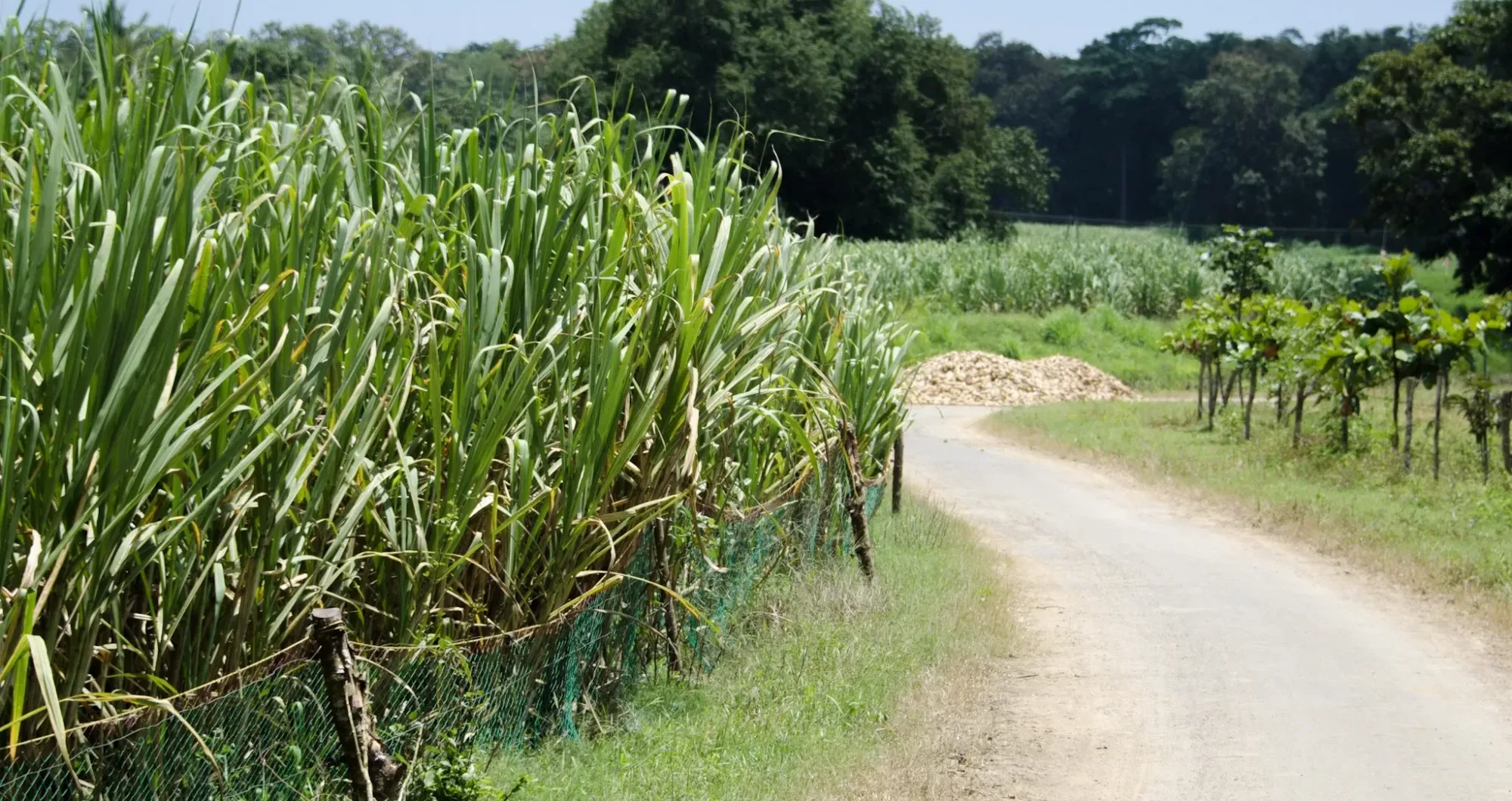

As Londoners joined the world in marking UN World Environment Day 2025, the urgent call to #BeatPlasticPollution is louder than ever. This year, we turn our attention to an unlikely food commodity: sugarcane. Far beyond its familiar role in sweetening our lives, sugarcane is emerging as a crucial player in the search for sustainable alternatives to fossil fuel-based plastics, thanks to innovative uses of its byproducts in the production of plant-based bioplastics.
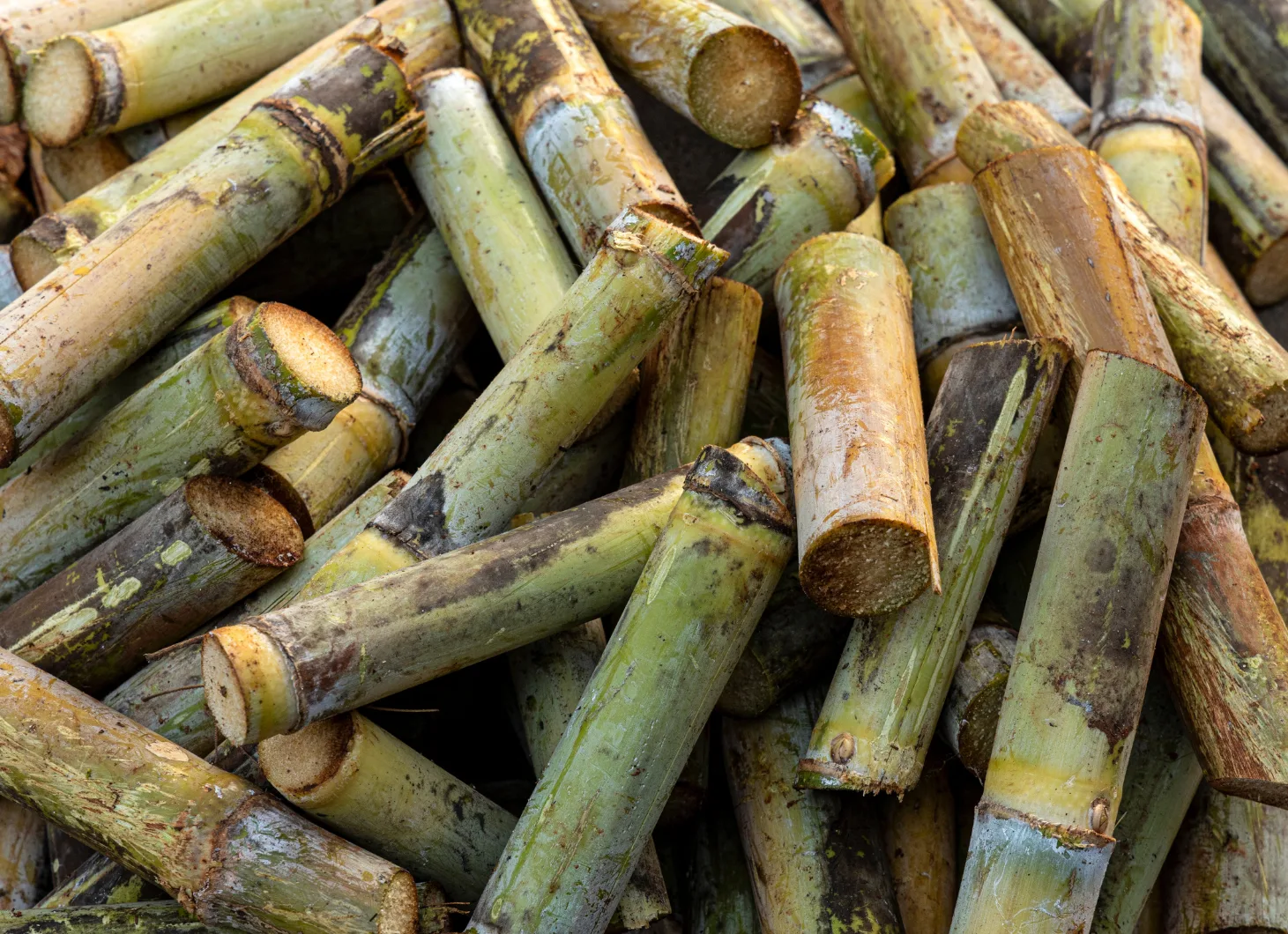
Sugarcane’s journey from field to bioplastic is a fascinating example of how agricultural innovation can align with environmental goals. When sugarcane is processed, it yields not only sugar but also valuable byproducts such as molasses and bagasse. These are increasingly being transformed into ethanol and, in turn, into renewable bioplastics like Polylactic Acid (PLA), from sugar, and Polyethylene (PE), from ethanol. These renewable bioplastics boast a significantly lower carbon footprint than traditional petroleum-based plastics, especially when sourced from sustainably managed sugarcane farms.
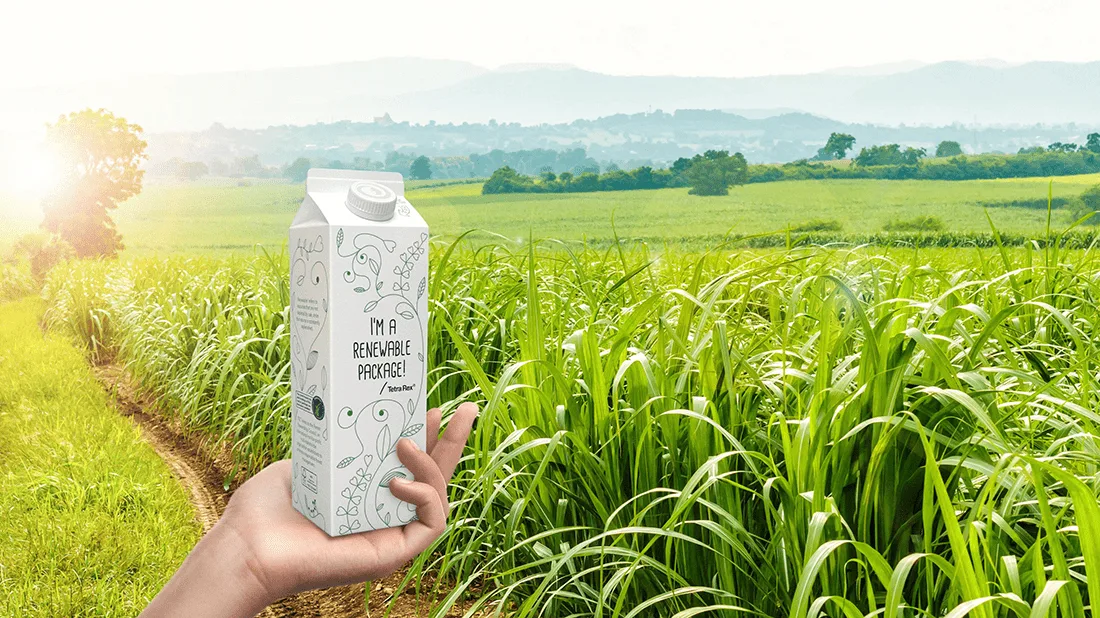
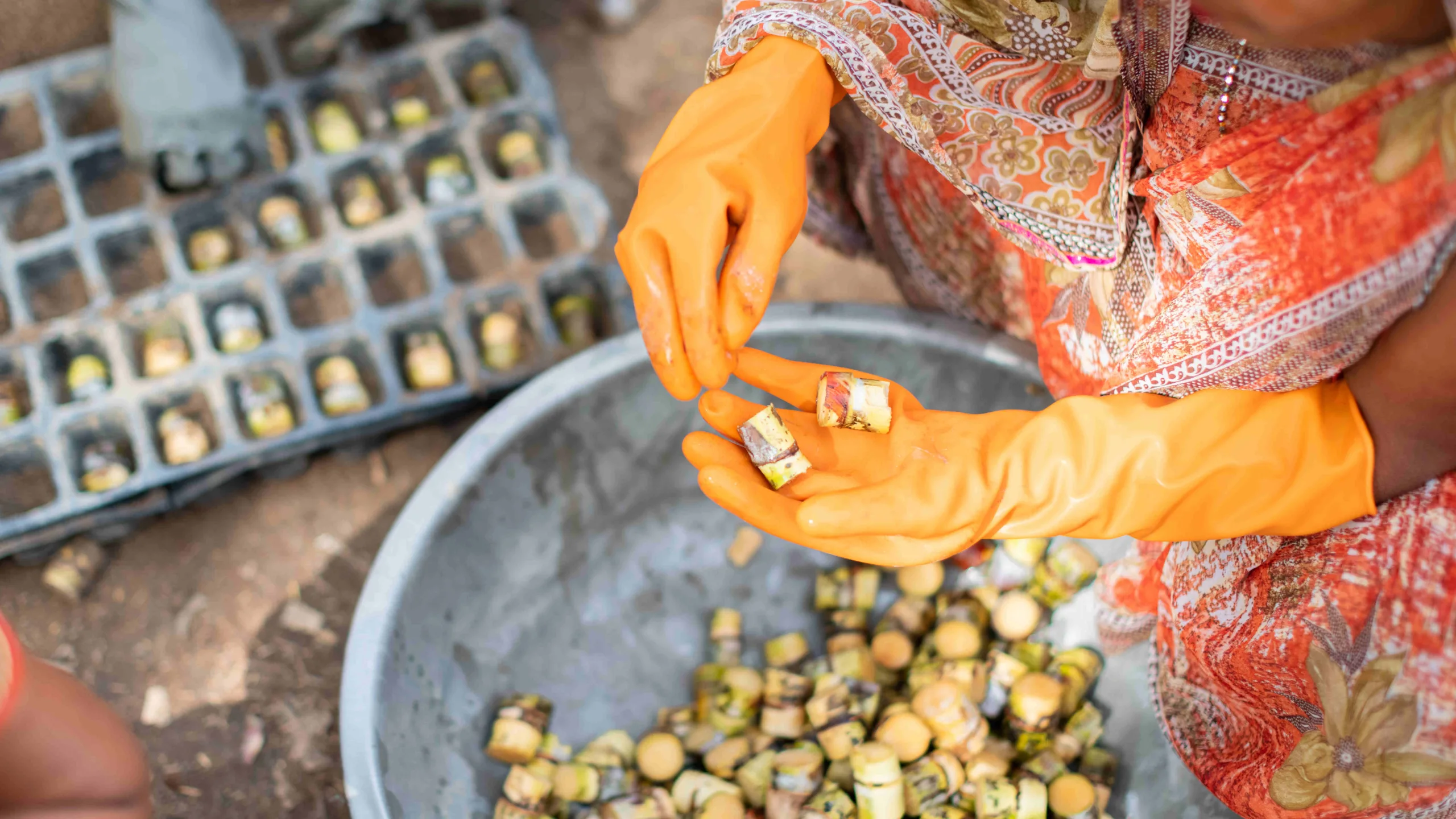
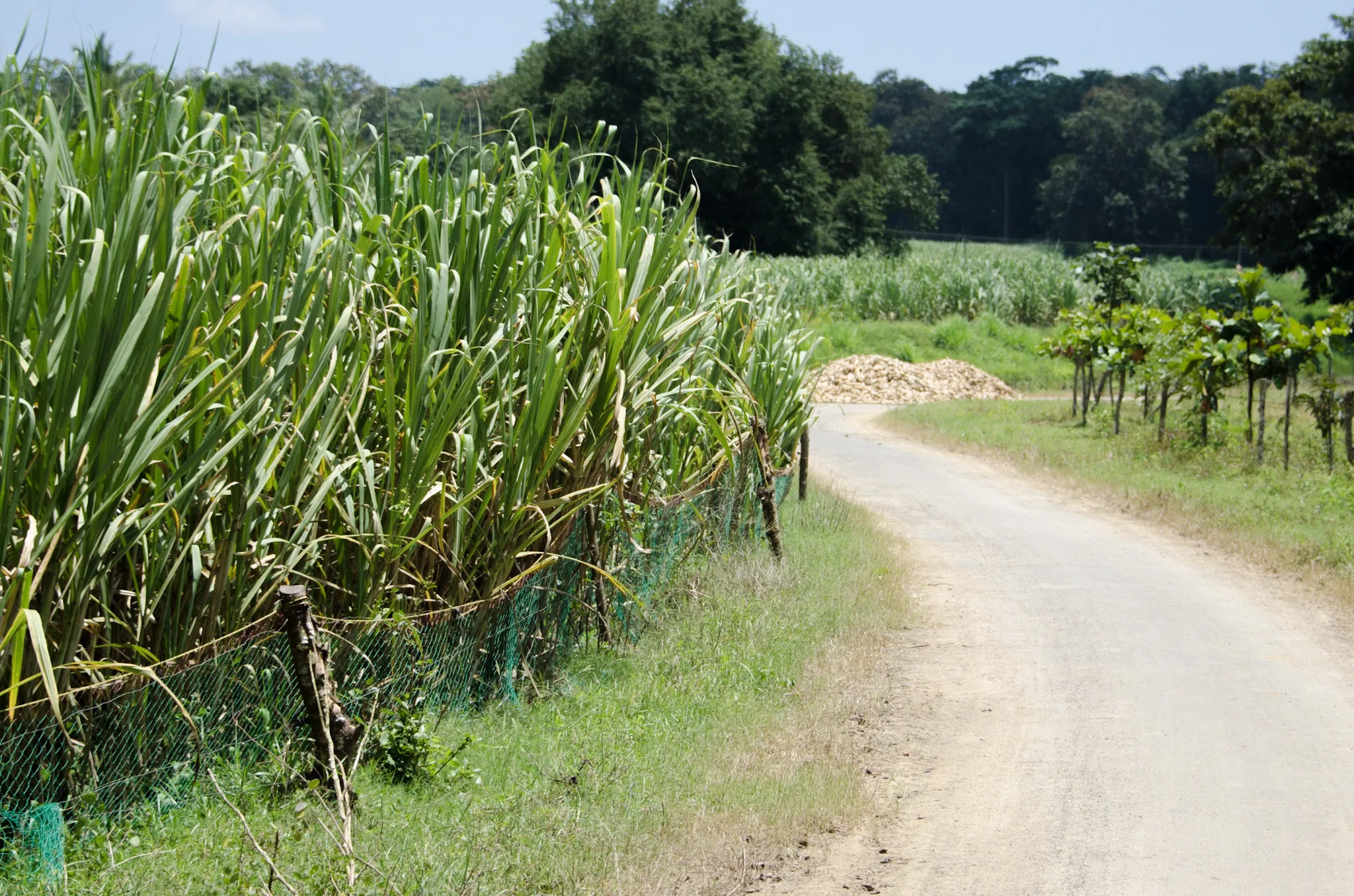
As such, companies are already recognising the potential of plant-based materials in contributing to a low-carbon circular economy. Tetra Pak began using biopolymers in 2011, and in 2020 became the first company in the food and beverage industry to source responsibly produced plant-based polymers for its packaging, using the Bonsucro standards for more sustainable sugarcane. In their 2024 sustainability report, the company reported a 25% reduction in overall value chain GHG emissions, with significant contributors being factory optimisation technology and packaging solutions with a lower carbon footprint.
Yet, sugarcane’s role is not without its complexities. The crop is resource-intensive and, in various parts of the world, has been linked to deforestation, water scarcity, and even labour rights abuses. And despite having a lower carbon footprint, bioplastics, when not sourced from sustainably produced sugarcane, and not recycled or composted properly, face the same challenges as fossil-based plastics from a circularity and pollution perspective. But with the right standards, innovation, and collective action, sugarcane can become a model for sustainable agriculture that benefits both people and the planet. As the world looks ahead to COP30—the “Nature COP” set to take place in Brazil—sugarcane is poised to play a role in demonstrating how food, energy, and production systems can be redesigned for sustainability.
Bonsucro, the global non-profit that unites the sugarcane sector around rigorous sustainability standards, is driving innovation in the agricultural supply chain. Its extensive database, gathered from over 260 certified mills, reveals that certified farms not only reduce their environmental footprint but also increase yields, advance worker rights, and improve operational efficiencies.
“Sugarcane is an important crop that the world enjoys, and many depend on it for their livelihoods, but we must transform how it is grown,”
says Danielle Morley, CEO of Bonsucro.
“As the world marked this year’s World Environment Day, we call on the entire sugarcane sector to step up efforts to protect nature, act on climate, and respect human rights—to build a more resilient, sustainable future.”
Sugarcane’s potential as a climate solution is significant. While sugarcane production (which includes farming and processing) currently generates around 400 million tons of CO₂ equivalent annually, certified producers are demonstrating that emissions can be reduced and resilience improved. Bonsucro leads the sector in setting science-based climate targets and providing practical tools for emission reduction. Moreover, the expansion of sugarcane production does not have to come at the expense of critical ecosystems. Its Production Standard can help shift production away from sensitive habitats and promote regenerative practices that protect biodiversity.
Water stewardship is another area where certified sugarcane producers are making strides. The crop is highly water-intensive, but improved management techniques have led to reductions in water use of up to 42% on certified farms. This is crucial in a world where water scarcity is an increasing concern. At the same time, the sector is addressing longstanding challenges around human rights and decent work. Its Production Standard also ensures fair wages and a zero-tolerance approach to exploitation, helping to build a more equitable and sustainable industry.
The impact of these efforts is being felt on the ground. Bonsucro’s Impact Fund is investing in projects that demonstrate the transformative power of sustainable sugarcane. In Brazil, the GeRa Cana project is reducing the carbon footprint of sugarcane production while lowering operational costs, increasing traceability, and boosting farmers’ incomes. In Nicaragua, the Sowing Water, Harvesting Life project promotes sustainable water use, reforestation, and soil conservation. In Pakistan, climate adaptation projects are supporting smallholder farmers with climate-friendly practices.
The results are clear: Bonsucro-certified producers reduce greenhouse gas emissions by an average of 14% within five years, cut water consumption by 42%, and achieve significant reductions in fertiliser use—all while maintaining or increasing yields. Every certified producer has a soil management plan and an environmental impact strategy to protect high conservation value areas.
As the world unites to protect our planet, sugarcane stands out as a crop with the potential to drive environmental progress—from bioplastics and biofuels to food and energy—but realising that potential requires commitment to sustainability, innovation, and collaboration. With the right standards and collective action, sugarcane can help build more resilient, climate-positive agricultural systems and play an important role in the global effort to combat plastic pollution.