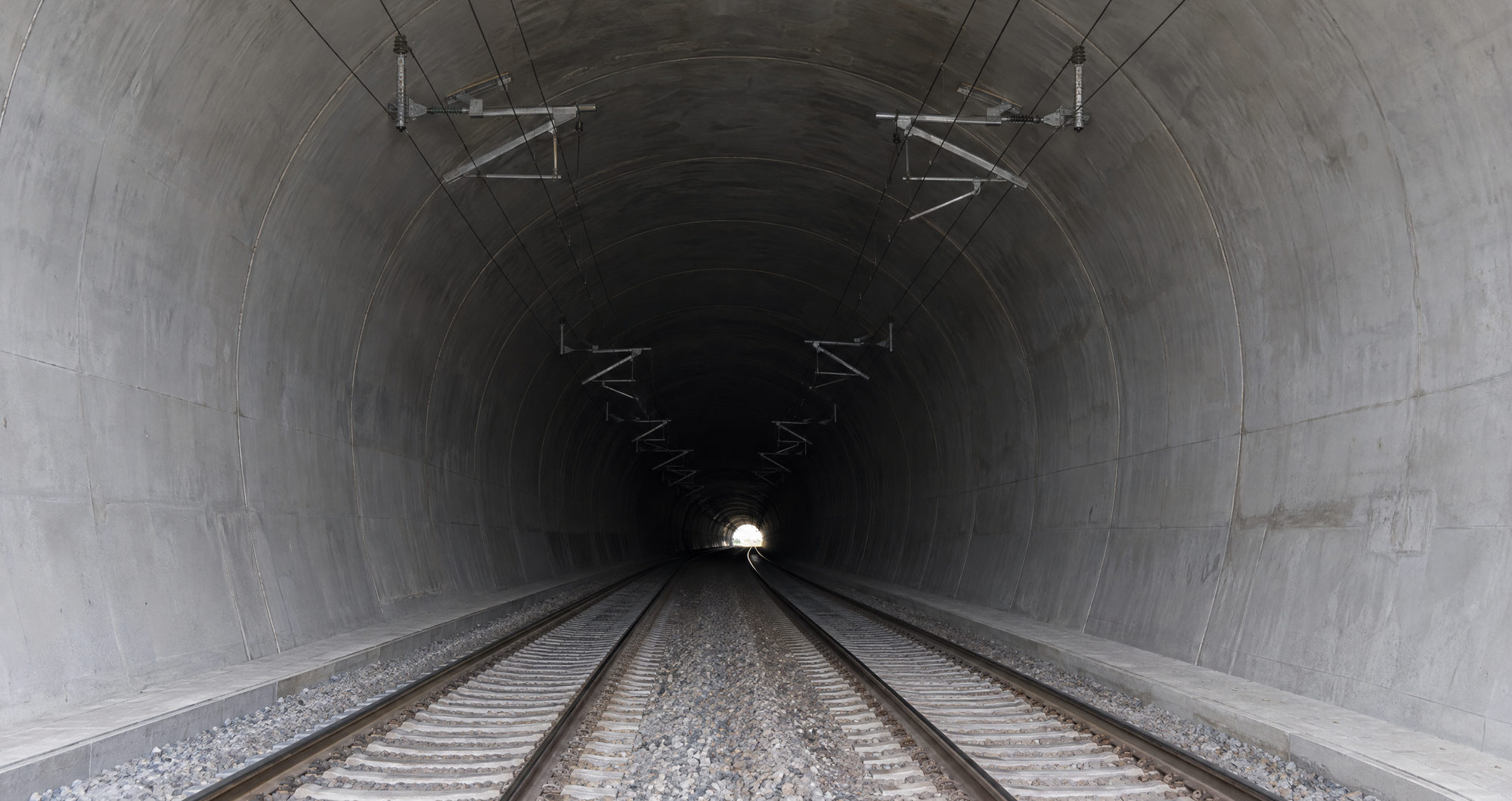

Thameslink lines through central London reopened after concrete fell from the roof of the Snow Hill Tunnel and damaged overhead power wires, bringing trains through the capital to a halt on Sunday 15 November.
Both tracks had reopened by 9.23pm, but the return of the railway did not immediately restore the usual timetable. Late that evening, services across the network remained subject to delays of around an hour and most routes were running a reduced service.
National Rail said the disruption caused by the tunnel closure had ended and normal service between St Pancras and Blackfriars had resumed. It cleared the incident at 12.52am on Monday 16 November. At 6.26am that morning, Transport for London listed Thameslink as providing a good service.
The damage was in the tunnel between Farringdon and Blackfriars. The wider section closed to trains ran between London St Pancras International and London Blackfriars, interrupting a route used by services travelling between destinations north and south of the capital.
Debris from the tunnel roof was discovered during routine checks on Sunday morning. The falling material damaged overhead wires, requiring specialist repairs as well as an inspection of the tunnel. Railway engineers worked on the site while the affected tracks were kept closed.
The cause of the falling concrete has not been established. The reopening followed safety checks and repair work, but it does not answer the separate question of why material came away from the roof.
Services turned back on either side
The closure changed journeys on both sides of central London. Trains that would normally run between Cambridge and Brighton were instead arranged to start and finish at London King’s Cross, leaving passengers needing another way across the capital for onward services.
North of the closure, the Bedford service to St Pancras was reduced to two trains an hour. There was also a reduced service between Luton and Kentish Town. Services between St Albans and Sutton were suspended, affecting passengers who would normally use the route through central London.
South of the closed section, trains normally running between Horsham and Bedford were turned back at London Bridge. Brighton to Bedford services were also shortened, terminating and restarting at Blackfriars, with a reduced frequency.
Farringdon and City Thameslink were closed to passengers during the disruption. The effect reached beyond those stations because a through journey could require a change of train, a transfer between London terminals or a different operator for part of the route.
Alternative routes and longer journeys
During the closure, passengers were able to use specified alternative services without an extra ticket charge. These included Great Northern trains between King’s Cross and Cambridge or Peterborough, Southern trains from Victoria towards the south, and South Western Railway services between Waterloo and Wimbledon.
London Underground journeys between terminals and buses on alternative routes were also included in the arrangements. The acceptance applied to particular services and routes during the disruption; it should not be assumed to apply to every alternative train or to later travel.
Passengers were advised to allow at least an additional hour for affected journeys on Sunday. Those travelling to Gatwick or Luton airports were advised to allow 90 minutes extra, reflecting the importance of checking connections as well as the first part of a journey.
Engineers were still completing repairs during the early evening, when both lines were expected to reopen at about 6.30pm. The subsequent confirmation that the lines were open did not give the precise time at which trains were first allowed through.
By late evening, work was continuing to return trains and crews to their normal patterns. A line reopening and a fully recovered timetable are different stages: trains may still need to be repositioned and services may remain altered after the obstruction has been dealt with.
The clearance relates to this incident and does not guarantee that every later train will run on time. Passengers should check the latest information for their own service before travelling, particularly where a journey includes a connection or an airport flight.