

Susannah Streeter, Chief Investment Strategist, Wealth Club
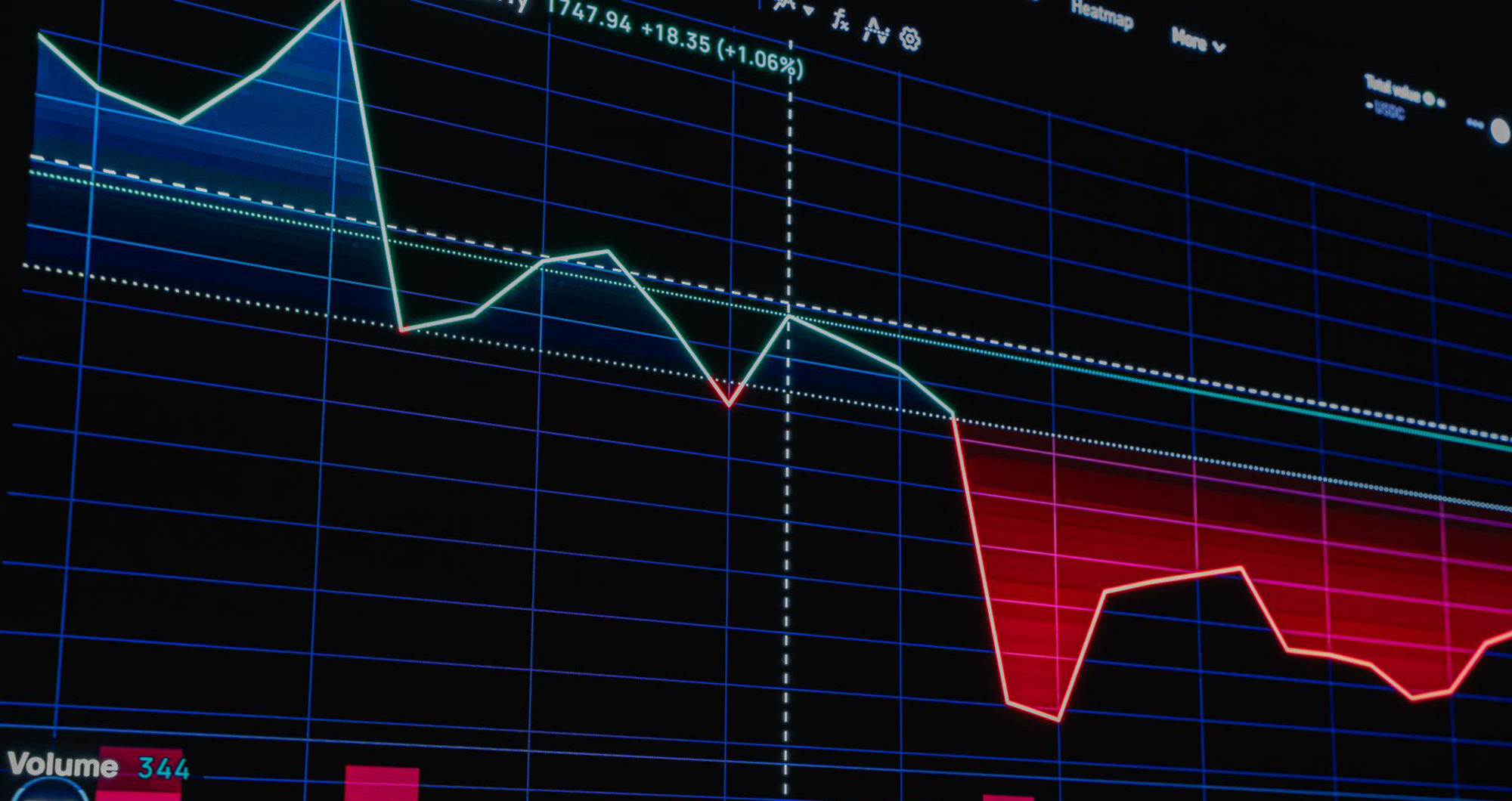
”Markets are feeling the heat of steamy US inflation. A sell-off on Wall Street has sparked deep losses in Asia and is spilling into trade in Europe. London’s Footsie initially dipped slightly in early trade but appears more insulated from the fallout, given that so many of its constituents are more defensive plays in a multi-year trade that’s focused so heavily on tech winners. Semiconductor stocks, which have been enjoying waves of AI enthusiasm, are among the deepest fallers. With borrowing costs set to soar, with further hikes from the Federal Reserve being priced in, the cost of capital for heavily leveraged projects is coming under question.
10-year US Treasury yields hit 5.33% after the data was released as investors eyed up the interest rate horizon. They have retreated a little amid hopes policymakers will stay more cautious but given the intractable nature of current conflicts more volatility is likely. This is also creating wariness about the exposure of banks and private credit institutions to the AI buildout, given vast sums have been funnelled into the building of infrastructure to support future demand. This once again puts the focus on the affordability of the US debt mountain, and its high structural deficit. If current AI spending levels retreat and American consumers become more cautious, growth is likely to take a hit, which could see the US becoming mired in a compounding debt trap. For now, with the last quarterly snapshot showing GDP running at 2.2% annually, it appears just about manageable, but a deeper loss of confidence could set more alarm bells ringing.
The UK economy is showing a bit more resilience in the face of the energy crisis and the tense geopolitical situation. Growth hardly shot the lights out in August, coming in at 0.1%, but a contraction had been expected given the deep uncertainty surrounding the repercussions of the Middle East conflict. The data does show that consumers had held back spending compared with July amid rises in fuel costs, but it could also be partly due to more sensible spending patterns returning after the heatwaves and World Cup celebrations. But production provided an offsetting uplift, growing 0.8%, showing plenty of companies were shrugging off the economic volatility and churning out more goods.
Even if the UK flatlines going forward, growth looks set to beat even the upgraded forecast of 1.3% from the International Monetary Fund which was released this week. This markedly better performance than expected will provide a boost to Andy Burnham and his Chancellor John Healey ahead of the Budget. But there could be a sting in the tail – higher energy costs risk becoming more embedded in the economy and force interest rates higher, putting the brakes on growth more sharply next year.”
Feature image by Pexels







