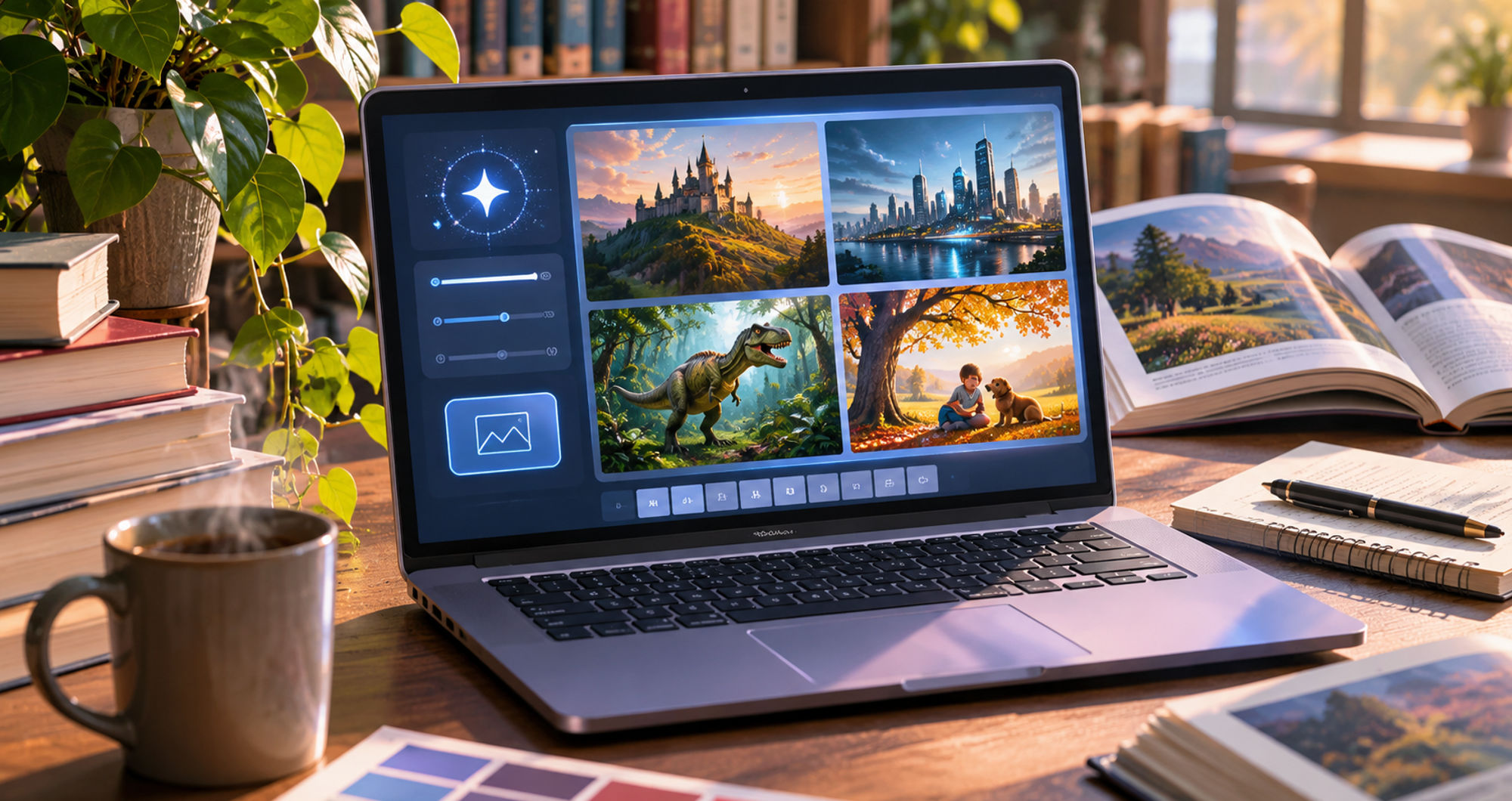

Publishers need visual content that does more than fill empty space. A book cover, editorial illustration, digital article image, and promotional graphic each serve a different communication purpose. The right AI image generator should support these requirements while fitting naturally into an established publishing workflow. Creative flexibility matters, but so do visual consistency, resolution, composition, and the ability to develop related assets. Choosing suitable technology means understanding how generated images contribute to the entire publishing process.
What Publishers Should Look for in AI Image Generation
Editorial Flexibility Across Different Content Categories
Publishing covers a wide range of subjects, including education, fiction, journalism, lifestyle, business, and children’s literature. Each category requires a different visual language. A historical novel might need atmospheric illustrations, while a financial publication may prefer clean conceptual imagery. An educational publisher might prioritise diagrams and recognisable objects. A suitable AI image generator should accommodate these different creative directions through detailed prompts and adjustable visual elements. Publishers should look for tools that allow them to describe subjects, environments, lighting, colours, and artistic styles rather than limiting their projects to a narrow collection of visual treatments. This flexibility makes image generation relevant to different editorial teams and publication formats.
Resolution and Composition for Professional Publishing
An image that looks attractive on a computer screen must also work within its intended publishing format. Publishers create assets for websites, digital magazines, newsletters, promotional materials, and print-oriented layouts. Each application places different demands on image dimensions, detail, and composition. High-resolution output provides greater flexibility when preparing artwork for large-format layouts or detailed visual presentations. Composition matters equally. A magazine cover may require open space for a headline, while an article illustration needs a clear focal point that communicates its subject immediately. Publishers should evaluate whether an image-generation platform supports deliberate framing and output settings. Kling IMAGE 3.0 Omni offers native 4K output for professional image series and other visual projects.
Reference-Based Creation for Recognisable Visual Identity
Many publishers develop recurring characters, editorial themes, or recognisable visual identities across multiple issues and titles. Reproducing these elements consistently requires more than repeating a general text description. Reference images provide a visual foundation for important characteristics such as clothing, colours, materials, character appearance, and composition. For example, an illustrated children’s book may feature the same character throughout several chapters. Maintaining recognisable details helps readers follow the story and creates a more unified reading experience. Kling AI supports reference-based image creation, with IMAGE 3.0 drawing on the defining qualities of up to 10 reference images. Publishers can combine relevant references to establish a clearer direction for related illustrations.
How AI Image Generators Fit Into Publishing Workflows
From Editorial Briefs to Finished Illustrations
A publishing project usually begins with an editorial brief rather than a finished visual concept. Editors identify the article’s central argument, intended audience, tone, and key messages before assigning artwork. An AI image-generation workflow can translate these requirements into visual instructions. The creator describes the subject and scene, then adds details about lighting, colour, atmosphere, and artistic style. Reference images can provide further direction when the project has established visual requirements. Kling AI follows this prompt-based process through its image-generation workflow. Users select a suitable model, describe their ideas, choose output settings, and generate the image. They can then refine composition, lighting, and individual visual details to develop the intended result.
Building Visual Series for Multi-Article Projects
Publishers rarely produce just one image. A magazine issue may contain several articles under a shared editorial theme. A book series may need recurring character illustrations, chapter artwork, and promotional images. Digital publishers may also adapt one subject into multiple visual formats for different content placements. Creating these assets as separate, unrelated images makes visual coordination an important part of the production process. Kling IMAGE 3.0 Omni addresses this type of creative requirement through coordinated image-series creation, supporting intentional shot progression, varied framing, and a unified creative direction. Its native 4K output also suits projects such as storyboards, comics, and branded content. This approach gives publishers a way to plan related visuals as one creative project.

Editorial Review, Accuracy, and Asset Preparation
Image generation does not replace the editorial review that publishers already perform on written content. Every visual should support the accompanying story and accurately represent its subject. For historical publications, editors may need to verify clothing, architecture, objects, and period details. Educational publishers should check diagrams and illustrations against the relevant learning material. Editors should also review image composition, text placement, cropping, and colour treatment before publication. Captions and alternative text require separate attention because they communicate information beyond the artwork itself. Publishers should establish clear internal approval procedures and confirm that each asset meets their licensing, permissions, and publication requirements. This final review connects creative production with editorial responsibility.
Conclusion
A suitable AI image generator for publishers should combine creative flexibility, high-resolution output, reference-based creation, and support for coordinated visual projects. These capabilities address different stages of editorial production, from interpreting an initial brief to preparing a complete collection of illustrations. Kling AI offers prompt-driven creation, reference integration, and coordinated image-series generation that fit these requirements. Ultimately, publishers should assess generated artwork by its relevance, consistency, technical suitability, and contribution to the reader’s experience.