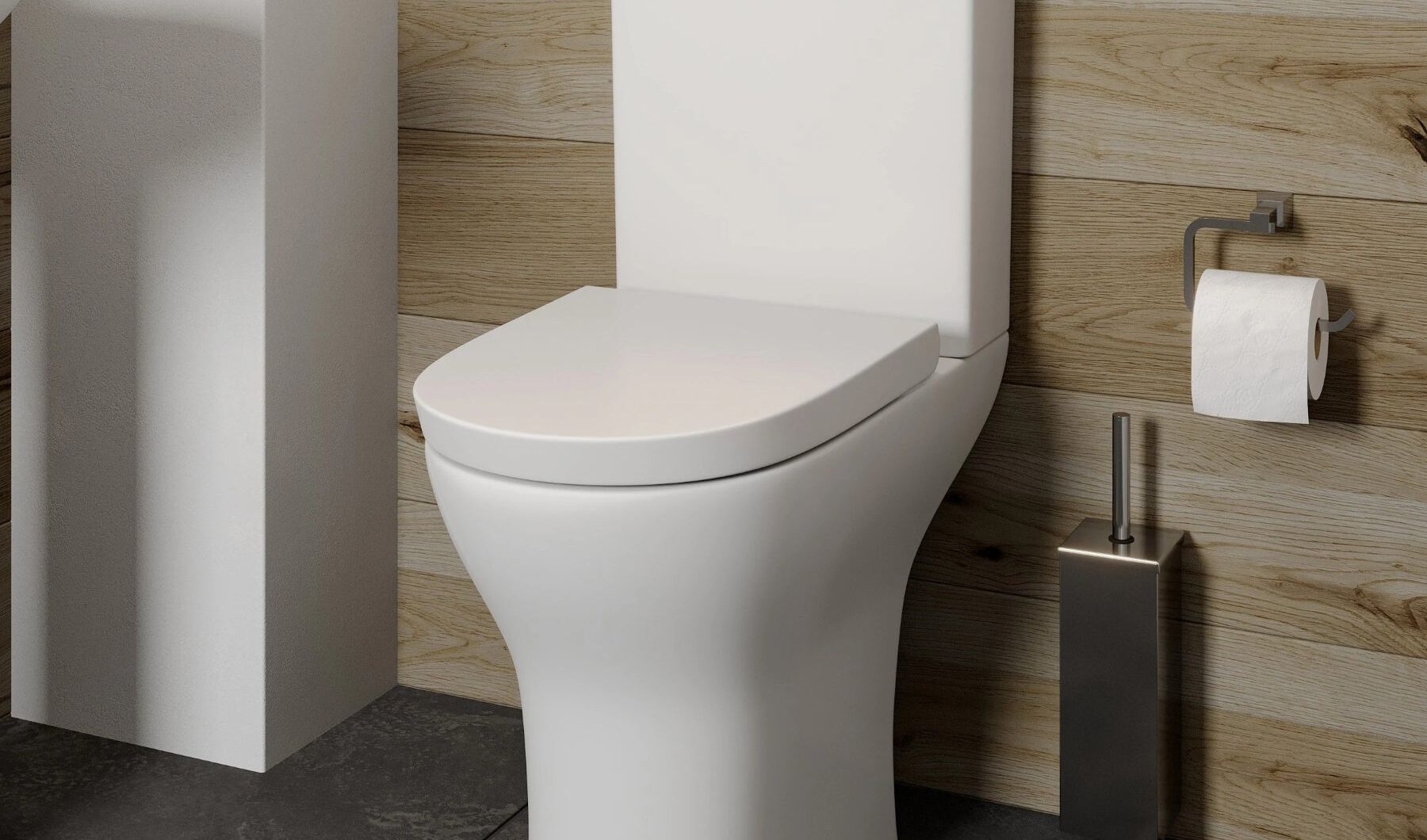

Most of us don’t give much thought to what happens after we flush the toilet. It is a simple part of daily life, and as long as everything disappears as expected, it is easy to assume no harm is done. In reality, what goes down your toilet can have a lasting impact on your plumbing, your home, and even the wider environment.
A good rule to follow is that toilets are only really designed to handle two things: human waste and toilet paper. Anything else, no matter how harmless it seems, has the potential to cause problems. Online bathroom and plumbing retailer Plumbworld explores the potential risks of putting items down the toilet that aren’t designed to be flushed and could cause havoc with the plumbing systems in and around your home.
Everyday Items That Cause Immediate Blockages
One of the most common causes of blocked toilets and drains is wet wipes. Even products labelled as flushable do not break down in the same way as toilet paper. Instead, they can hold their shape, catch on rough surfaces inside pipes, and build up over time.
Sanitary products and nappies are another frequent issue. These items are designed to absorb liquid, which means they expand once flushed. That makes it much easier for them to get stuck in pipes or create obstructions further along the system.
Paper towels and tissues may seem similar to toilet paper, but they are made to be stronger and more durable. This means they do not disintegrate quickly in water. When flushed, they can clump together and restrict water flow.
The Hidden Build Up Over Time
Some items do not cause immediate problems but can create issues gradually. Hair and dental floss are good examples. They can wrap around other debris in the pipes, forming larger masses that are difficult to remove.
Unusual items to flush like cat litter is another material to avoid putting down the toilet, even if it is marketed as biodegradable. It can solidify in water and lead to blockages that are harder to detect until the problem becomes more serious.
Grease, oils and fats can also cause long term damage. As these substances cool, they begin to harden and stick to the inside of pipes. Over time, this reduces the available space for water to pass through.
The Wider Impact on Your Home and the Environment
It is not just solid waste that needs careful consideration. Medicines, cleaning products and chemicals should never be flushed. These substances can enter water systems and are not always fully removed during treatment, which can affect the environment and harm wildlife.
Even items that seem harmless on their own can contribute to larger issues when combined with other waste. Over time, this can put added pressure on drainage systems and lead to more frequent maintenance problems.
Simple Habits That Make a Difference
Understanding what not to flush is only part of the solution. Small changes in daily habits can make a noticeable difference. Keeping a bin within easy reach, avoiding the temptation to flush convenience products, and being mindful of what goes down the toilet all help to protect your plumbing.
Dealing with a blocked toilet or drain is rarely convenient and can quickly become expensive. In many cases, the problem can be traced back to items that should never have been flushed in the first place.
In the end, it comes down to a simple approach. If it is not pee, poo or toilet paper, it is better to dispose of it another way.