
It’s the brightest time of the year, bringing around 9 hours more daylight each day than the depths of Winter. This much sunshine can play havoc with children’s bedtimes, and with The Sleep Charity recommending 12-14 hours of shut-eye per day for kids aged 1-3, and 10-12 hours for 3-6 year olds, when it’s not getting dark until after 9pm parents can be faced with a challenge getting youngsters to wind down.
Cognitive Hypnotherapist and mum Charlotte Melki has a Masters degree in neuroscience and is one of the minds behind hypnotherapy app Clementine and kids’ bedtime meditation Yoto card ‘Sleep Now Little Ones’. Here are her top five strategies to help parents and carers navigate bedtime during these long, bright summer days and help kids sleep soundly – even when it’s light outside.
Focus on What You Can Control
“When it’s light outside, it’s easy to become preoccupied with trying to make the room completely dark. However, obsessing over the darkness can create unnecessary stress. Instead, focus on what you can control. Implement consistent bedtime rituals that signal relaxation and sleep. Using blackout curtains can help, but more importantly, establish a calming pre-sleep routine and schedule. By sticking to the same bedtime and wake-up time every day, their bodies will learn to recognise when it’s time to wind down, regardless of the light outside.”
Boost Melatonin Production
“Melatonin is the main hormone involved in sleep, and it has a significant impact on helping children fall asleep. On the other hand, dopamine, which is the hormone of motivation and reward, can promote wakefulness. To support your child’s sleep, it’s important to manage these hormones effectively. Here are some tips:
Reduce Dopamine-Boosting Activities:
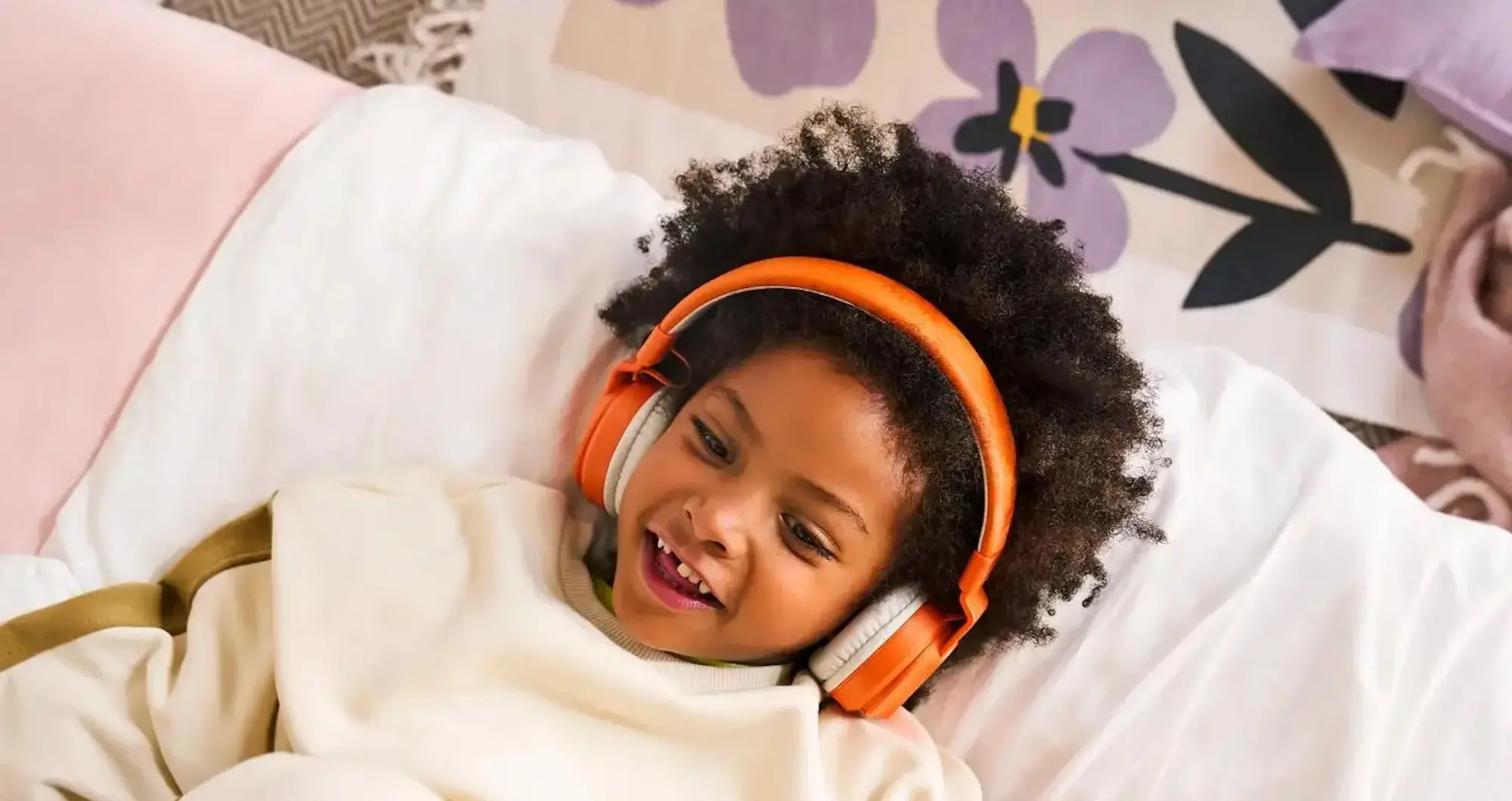
- Limit Screen Time: Avoid screens, such as tablets and phones, for at least two hours before bedtime – try using screen-free devices such as a Yoto Player to entertain kids with audio-only content.
- Cut Back on Refined Sugar: Try to reduce sugary snacks and drinks in the evening.
Encourage Serotonin-Boosting Activities:
- Engage in Relaxing Activities: Encourage activities that promote the release of serotonin, a chemical precursor to melatonin. These include reading, listening to stories, enjoying calming music, or practising meditation.
- Use sound, not screens: We created our meditation collection ‘Sleep Now Little Ones’ specifically for Yoto, as this audio platform is a great tool to use for bedtimes. With a simple, child-first design, a Yoto Player even doubles as gentle nightlight if you need it and helps children unwind and relax after a busy day.
By incorporating these gentle strategies, you can help boost your child’s melatonin production and create a calming bedtime environment, making it easier for them to fall asleep.”
Cultivate a Restful Mindset
“One of the main reasons we can’t fall asleep is because we think we have to. Children are intuitively better than us at falling asleep because they usually do what they want, not what they think they should. As they grow up we can encourage them to keep that light-hearted relationship with sleep. Let them know that going to bed doesn’t mean they have to fall asleep straight away, it’s not a competition! Going to bed doesn’t necessarily mean sleep, it’s about listening to the body’s cues that it needs to rest. Rest for children can also mean lying down, reading a book, singing to themselves, telling their teddy bear about their day, listening to a screen-free audio device like a Yoto Player. Encourage them to have these moments to themselves to wind down and rest. Sleep will come when it comes.”
Help Kids Let Go of Thoughts Before Bed
“One of the main barriers to sleep for children is an overactive mind. It’s helpful to teach our children how to let go of their busy thoughts before bedtime for a more restful sleep. The aim is to keep their minds gently engaged without overstimulating them. Here are a few strategies that can help:
Engage in Simple Games:
- Alphabet Games: Choose a fun category, like Disney characters or fruits and vegetables. Then, go through the alphabet, finding a word for each letter (e.g., A for Aladdin, B for Belle, or A for apricot, B for banana). This keeps their minds pleasantly occupied in a light, non-stressful way.
Use Sleep-Aid Tools:
- Audio meditations like ‘Sleep Now Little Ones’ Yoto card are specially designed to engage little minds just enough to gently steer away from intrusive thoughts, helping children drift off to sleep more easily. Listening to this kind of content can be a soothing part of their bedtime routine.
By incorporating these gentle techniques into your child’s bedtime routine, you can help quiet their mind and create a peaceful environment for sleep.”
Start the Wind-Down Early
“Begin the conversation about sleep and rest well before they even get into the bedroom. This early start helps to mentally prepare them for sleep, making the transition smoother when it’s time to lie down.
By implementing these tips, you can help your children develop a healthy and flexible mindset around sleep, making these long summer days less of a hurdle and more of an opportunity to learn resilience and relaxation.”
Sleep Now Little Ones is now available at uk.yotoplay.com and is playable on the free Yoto app, Yoto Player or Yoto Mini.