

Free forex signals boost your trading plan and likely increase your overall profits in the long run. They also interpret the most suitable time for traders to exchange their currencies and provide crucial information that would have otherwise required deep market research.
A strategic approach towards utilizing free forex signals is essential for a positive impact trading experience, whether you are a beginner or an expert. This post outlines five strategies for leveraging free forex signals to make a profit.
1. Understand the Signal Provider
Investigate the signal provider and their signal quality, as some are untrustworthy. You will discover that trustworthy signal providers offer accurate free forex signals regularly, enabling you to profit.
Therefore, check traders’ reviews and testimonials to see if they are experienced and deliver definitive results often. Reliable signal providers also disclose their previous statistics on wins, losses, average earnings, and past accuracy.
Furthermore, it pays to look at their general approach to generating the signals, given that some providers only employ technical analysis and others employ fundamental analysis or a blend of the two.
Confirming the signal generation process and its transparency also helps you determine if the sources are reliable. A dependable signal provider provides real-time updates and alerts to keep users updated with information on the fast-moving currency trading market.
2. Risk Management
Strict risk management strategies help secure your capital when relying on free signals for your trades. The first risk management strategy involves identifying how much capital to invest in each trade.
Secondly, use tools such as position size calculators that prevent you from trading more than a certain amount based on your risk tolerance and trading account.
Thirdly, risk management should be applied by setting a stop-loss level. It will close your position when the price reaches a specific level, controlling your losses, even if the signal is precise. The trading market is volatile, and unexpected changes sometimes occur.
Also, take-profit targets can be used to lock in profits once they reach a specified profit amount. It will help you to avoid holding on to trades much longer than required and losing more than you win in trading.
3. Include Your Analysis
Although free forex signals can be helpful in trading, depending on them without doing personal analysis is dangerous. Forex signals should enhance your information on the foreign exchange market, not be the final answer.
Begin your analysis by identifying where the receiving signals come from—whether they are purely technical signals, more fundamental circumstances, or a fusion of the two.
Technical analysis comprises analyzing trends using tools and indicators like moving averages, the relative strength index indicator (RSI), and Fibonacci retracement levels. After getting a forex signal from a professional or app, determine if it matches your technical analysis trading foundation to make the best decision.
Do the same for the fundamental analysis of economic status reports on news and events that may affect the value of currencies. Ensure the signals provided reflect your current market perception and analysis.
4. Stay Updated and Adaptable
Forex markets can change due to economic reports, political occurrences, and market status. Checking the current market status before using free trade signals can help change the trading strategy at the right time and maximize your trading earnings.
Some trends you should watch out for include interest rates, inflation rates, and GDP, as these can shift currency values. Also, track business-related newspapers, calendars, and live market data to know events that may influence your trades.
Knowing the overall market trends gives more context to signals and improves your decision-making. For instance, it is better to change positions if the signal recommends trading and market trends anticipate a vulnerable economy.
Lastly, flexibility and adaptability are essential as they show you can trade using multiple strategies. If one fails in a specified trading environment, you can implement another in a different market area.
5. Demo Account Practice
Never invest actual money when relying solely on free forex signals. Instead, work with a demo account to gain more experience initially.
Most respectable forex brokers provide clients with demo trading accounts to let the client practice actual trading scenarios without placing actual cash. It allows them to test the signal’s efficiency and the outcome of their overall trading strategy without losing money.
If it’s your first time, get an idea of the demo account and the general platform. Work the trades from the free signals you receive and monitor their performance over time. Observe them in different trading environments to discover the most suitable one. Checking each signal helps separate the strong from the weak signals and modify your trading strategy.
Additionally, test various components on the demo account, such as the time to enter and exit, the indicators of when to stop, and the sizes of trades. SWOT analyses your trades to discover their weaknesses and strengths and improve on them to avoid losing real money.
Conclude
Trading with free forex signals can enhance your trading style, provided you approach it strategically. That includes undertaking comprehensive research on your signal provider to understand them better and incorporating your research into the final decision.
Compare the market and the latest industry trends for a comprehensive overview before a trade. It will help you make immediate or last-minute decisions that increase your profits or minimize losses. Also, be adaptable and use a demo account to build confidence and experience without spending a dime.
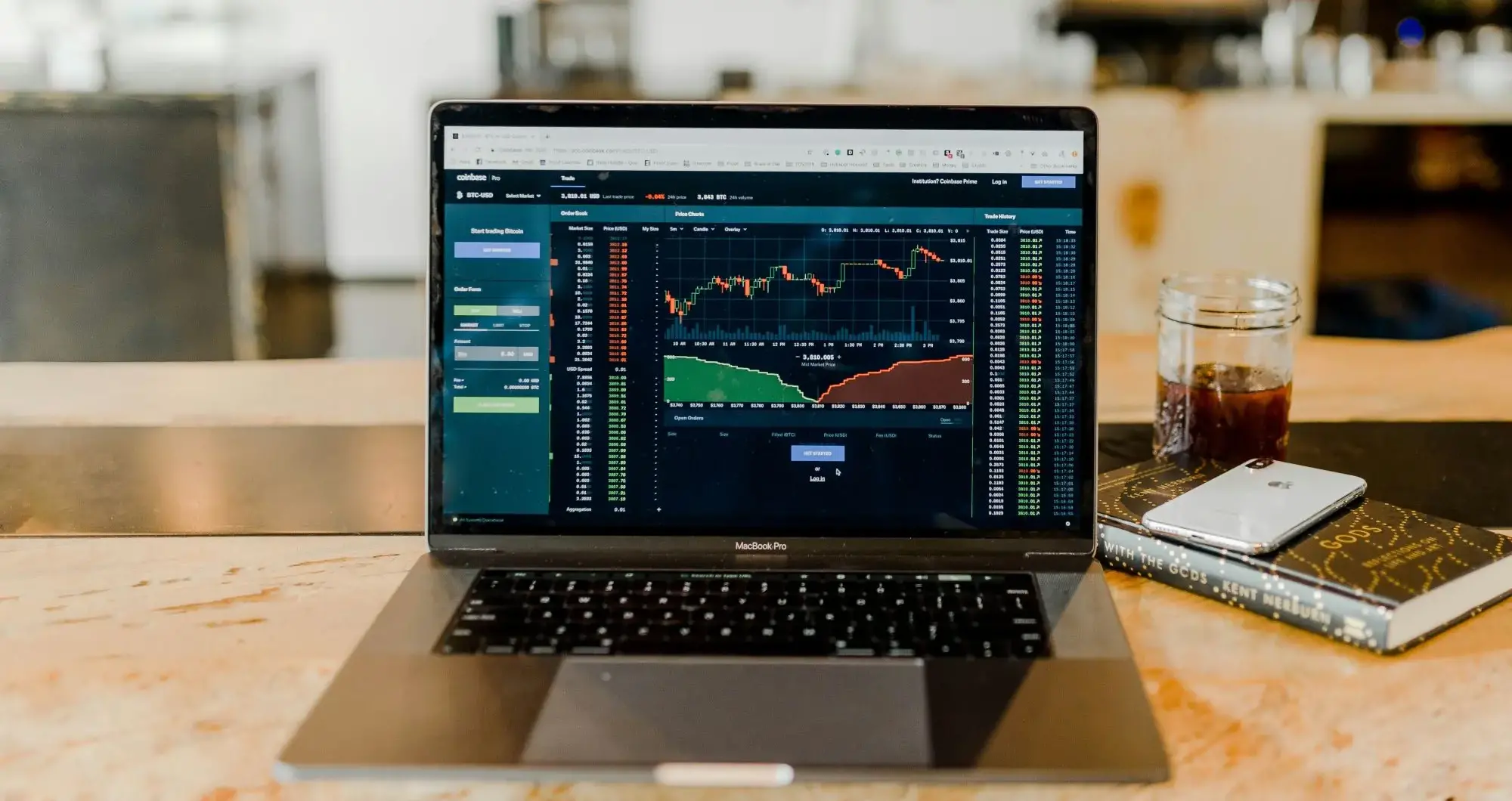
Photo by Austin Distel on Unsplash







