
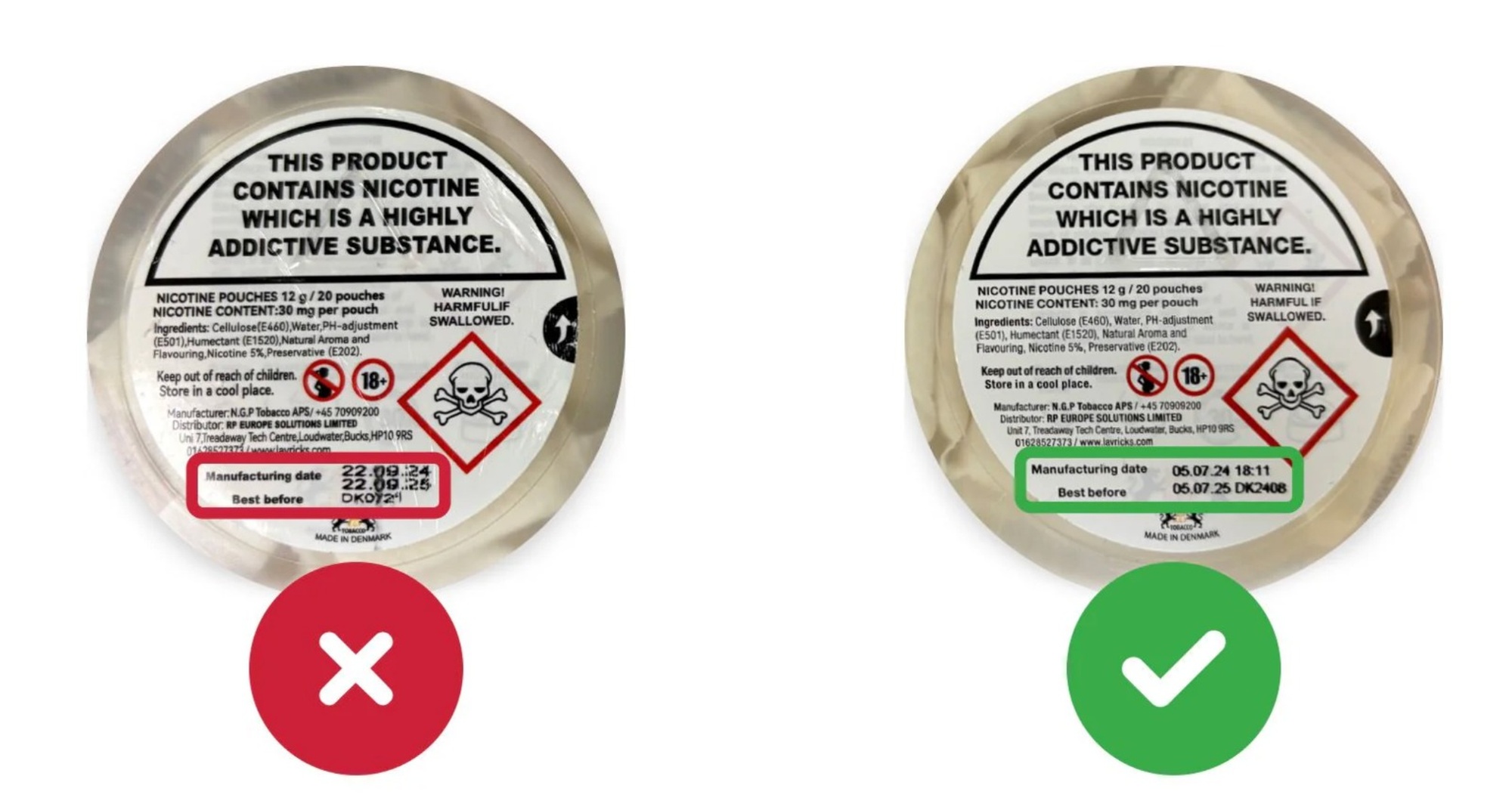

One month after historic legislation passed, new research highlights major public confusion over counterfeit vapes, nicotine pouches and cigarettes
Millions of UK consumers may be unable to identify counterfeit nicotine products despite sweeping new regulations coming into force under the Government’s Tobacco and Vapes Bill, according to a new study released today.
Consumer research conducted by One Poll for TSL Authentic, a counterfeit nicotine awareness initiative, found that 59% of UK adults would not feel confident identifying a counterfeit vape or nicotine pouch, while almost half (46%) were unaware fake nicotine products are widely sold in the UK.
The findings come as the Government prepares to introduce tougher rules covering the sale, marketing and supply of nicotine products under the Tobacco and Vapes Bill which became law last month.
Amid fears that a growing nicotine awareness gap could undermine the impact of the new regulations, the research also highlights the role of financial pressures in purchasing decisions:
- 39% said the cost-of-living crisis has made them more likely to buy cheaper nicotine products
- 30% admitted they were likely to consider buying a nicotine product they suspected might be counterfeit if it was significantly cheaper?
- 23% said they had seen suspiciously cheap nicotine products sold locally or online
Public health concerns were also significant. 68% of respondents said they were concerned counterfeit nicotine products may contain unsafe ingredients, while a third (33%) of nicotine users reported experiencing negative health effects after using a product they later suspected may have been fake or illegal.
Consumer protection experts say clear information for consumers and strong enforcement of Britain’s new nicotine laws are now urgently needed to tackle the criminal sellers who will continue to exploit the confusion highlighted by the research.
Ioan Kamberov, founder of counterfeit nicotine awareness initiative TSL Authentic, said:
“Counterfeit nicotine products aren’t just a trading standards issue — they’re a consumer safety issue. The concerning reality is that many consumers don’t feel confident they could spot a fake, meaning people may be unknowingly buying products that fall outside regulated manufacturing, quality and safety controls.
“Unlike legitimate products sold through regulated supply chains, counterfeit products may not meet the same standards, leaving consumers unable to be certain what they’re putting into their bodies. At a time when household budgets remain under pressure, cheaper products can be tempting, but when it comes to nicotine products, a bargain isn’t always a bargain.
“The research shows there is a clear awareness gap. Consumers need to understand the risks, know what warning signs to look out for and take simple steps to verify that the products they buy are genuine.”
How to Spot a Counterfeit Nicotine Product
- Check the packaging carefully
Counterfeit products often contain subtle errors that can be easy to miss at first glance. Look out for spelling mistakes, blurred printing, unusual colours, poor-quality graphics, damaged seals or packaging that appears different from products you have purchased previously. - Look for security features
Many legitimate nicotine products include security elements designed to help consumers verify authenticity. These may include holograms, tamper-evident seals, unique serial numbers or other manufacturer security markings. Missing or poorly reproduced security features could be a warning sign. - Scan QR codes where available
Some manufacturers provide QR codes that allow consumers to verify products or access product information. If a QR code fails to work, directs you to an unfamiliar website or provides limited information, consumers should exercise caution. - Pay attention to health warnings and product markings
Legitimate products are typically required to display specific health warnings and regulatory information. Check that warnings are clearly printed, professionally presented and consistent with other products from the same brand. Poor-quality embossing, missing warnings or inconsistent information may indicate a counterfeit product. - Buy from reputable retailers
One of the most effective ways to reduce the risk of purchasing counterfeit products is to buy from trusted retailers. Before purchasing online, check customer reviews, company information, contact details and independent feedback. Be cautious of websites with little company information, limited customer history or prices that appear significantly lower than elsewhere. - Be wary of deals that seem too good to be true
Counterfeit products are often sold at unusually low prices to attract buyers. If a product is being offered at a substantial discount compared with established retailers, consumers should consider whether the offer is genuine.







