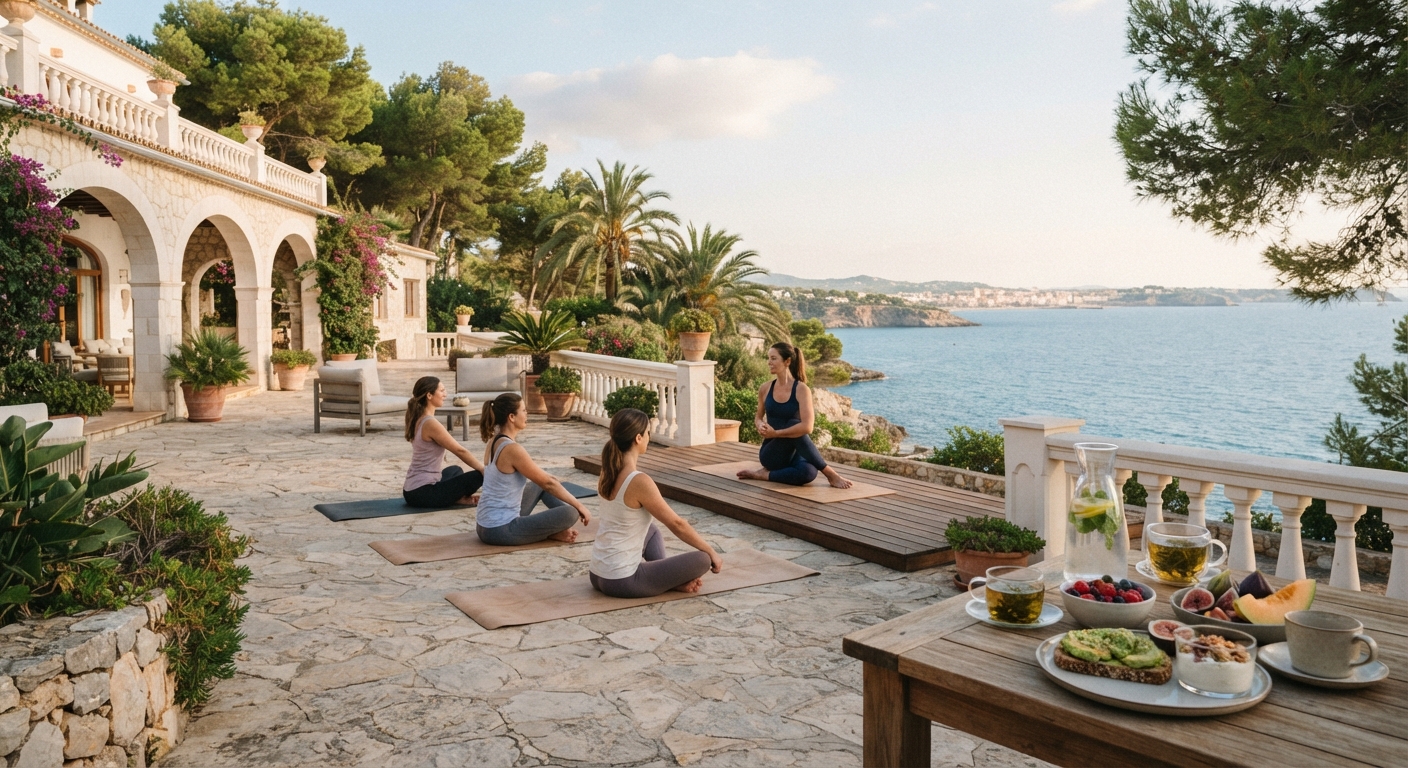

There’s a particular kind of tiredness that can creep up on you halfway through a holiday. You’ve been out late, eaten at odd hours, walked miles in the heat and somehow managed to fill every day with plans. The photographs look wonderful, but by the time you’re packing your suitcase, the thought of going back to work feels almost unbearable. It raises a fair question: shouldn’t a holiday leave you feeling better than when you arrived?
Perhaps that’s why more people are reconsidering what they want from their time away. Instead of another packed itinerary, they’re looking for somewhere they can sleep properly, eat well and spend a few days without constantly checking the time. A detox retreat in Spain, for example, can offer that change of pace, with a focus on rest, gentle activity and healthier daily routines. The appeal is less about making dramatic changes in a week and more about giving yourself the breathing space that’s often missing at home.
When Did Holidays Become So Much Work?
Think about how many decisions go into a typical holiday. Where to eat, which beach to visit, what time to leave, whether there’s enough time to see one more attraction before dinner. Even relaxing can start to feel like something you need to organise.
There’s nothing wrong with wanting to explore. Discovering new places is one of the great pleasures of travelling. But when every hour is accounted for, it’s surprisingly easy to return home feeling as though you’ve spent a week working through a checklist.
A more restful holiday leaves room for things to happen naturally. You might get up early because the weather is lovely, then spend the afternoon reading in the shade. You might wander into a little restaurant without checking its reviews first. Or decide that the view from your terrace is a perfectly good reason to stay exactly where you are.
That freedom is often what people miss most in their everyday lives. Having a few days when nothing particularly needs to happen can feel like a luxury in itself.
What Proper Rest Actually Looks Like
Rest means different things to different people. For someone who spends all week at a desk, it might involve long walks and plenty of fresh air. For someone who is constantly on their feet, the prospect of a quiet afternoon beside a pool could be far more appealing.
The trick is recognising what you’re genuinely missing, rather than following someone else’s idea of a healthy holiday.
Start With Sleep, Not a Schedule
Most of us know when we haven’t been sleeping well. Everything feels slightly harder, small frustrations become bigger and even enjoyable activities require more effort.
A holiday can be a useful opportunity to get back into a more comfortable sleeping pattern. Natural daylight, regular meals and physical activity during the day all help support the body’s internal clock.
The surroundings matter, too. A quiet room, comfortable temperature and evenings without constant notifications can make sleep easier to come by.
There’s no reason to turn bedtime into another strict routine. Simply allowing yourself to wake naturally, rather than setting an alarm for an excursion every morning, may be a welcome change.
Of course, a few good nights won’t solve long-standing sleep difficulties. But they can help you recognise just how much your usual habits affect the way you feel.
Eating Well Should Still Feel Like a Holiday
Food is one of the best reasons to travel, particularly somewhere like Spain, where regional cooking and fresh ingredients are such a central part of the experience.
Yet wellness holidays sometimes give food an unnecessarily complicated reputation. There can be talk of cleansing diets, cutting out entire food groups or following restrictive plans that promise extraordinary results in just a few days.
The reality is rather less dramatic. Your liver and kidneys already carry out the body’s normal detoxification processes, and there’s little convincing evidence that special detox diets improve their function in otherwise healthy people.
What does make sense is giving your body the basics it needs: regular meals, adequate hydration and a varied diet.
A Mediterranean-style approach fits naturally into a holiday. Think grilled fish, ripe tomatoes, olive oil, seasonal fruit, pulses and vegetables prepared simply. It’s food that’s satisfying without demanding endless thought about calories or complicated dietary rules.
There’s something to be said for the way you eat, too. Sitting down for a leisurely lunch, putting your phone away and enjoying a conversation can be just as welcome a change as what’s on your plate.
And if you fancy dessert, have dessert. A healthy relationship with food has room for pleasure.
Rediscovering the Pleasure of Moving
One of the nicest things about being somewhere new is that physical activity often happens without much planning.
You walk to a nearby village because the streets look interesting. You spend half an hour swimming because the sea is inviting. You take the longer route back to your accommodation simply because the scenery is worth it.
None of this needs to feel like exercise, although it still counts as movement.
For people accustomed to structured workouts, a holiday can also be an opportunity to ease off. There’s no requirement to maintain your usual training intensity when your body might appreciate some recovery.
Gentle yoga, swimming, stretching or walking can be enjoyable ways to stay active. The right amount depends on your fitness, health and what feels comfortable.
What matters is how you feel afterwards. Movement should add something to your day, rather than leave you dreading the next session.
Why the Coast Has Such a Calming Effect
It’s difficult to explain exactly what makes a morning beside the sea feel different. Perhaps it’s the sound of the waves, the open horizon or the fact that there’s very little to do except watch the water for a while.
Whatever the reason, coastal destinations have long been associated with rest and recuperation.
Research into natural environments, including coastal spaces, suggests that spending time in these settings may support psychological wellbeing. The evidence is still developing, and being beside the sea isn’t a treatment for stress-related conditions. Nevertheless, the opportunity to spend more time outdoors, away from traffic and everyday demands, has an obvious appeal.
Spain’s Mediterranean coastline is particularly suited to this kind of break. In quieter areas, it’s possible to combine gentle walks, outdoor meals and time by the water without having to travel far.
There’s also a practical advantage to staying in one place. When the surroundings are pleasant and everything you need is nearby, you spend less of your holiday getting from one activity to another.
You can simply enjoy being there.
Sometimes a Little Guidance Makes Relaxing Easier
For some people, switching off is surprisingly difficult. They arrive determined to relax, then find themselves reaching for their laptop or wondering whether they should be doing something more productive.
This is where a structured wellness stay can be helpful. Rather than having to organise every detail, guests can follow a programme that combines rest, nutritious meals, movement and treatments, while still leaving space for personal time.
Places such as Palasiet Wellness Clinic & Thalasso, on Spain’s Mediterranean coast, are associated with a wellness approach that draws on thalassotherapy, the use of seawater and marine-based treatments in spa and wellbeing practices.
The experience may be appealing to people who enjoy hydrotherapy, relaxation treatments or having a more organised routine during their stay. However, it’s worth distinguishing between treatments that feel pleasant and those with clinically established health benefits.
Before choosing a programme, look carefully at what’s included. Some retreats focus on relaxation and general wellbeing, while others offer supervised nutrition, fitness or medical services.
Look Beyond the Promises
A good wellness holiday shouldn’t require you to believe that your body needs a complete reset.
Be cautious about programmes promising rapid detoxification, dramatic weight loss or solutions to complex health problems. If a retreat involves fasting, intensive treatments or significant dietary restrictions, speak to an appropriate healthcare professional first, particularly if you have an existing medical condition.
The more useful questions are often quite ordinary. Will you have enough time to rest? Can you choose which activities to join? Are the meals suitable for your needs? Will the experience feel enjoyable rather than demanding?
Those details are likely to matter far more than an impressive list of promised benefits.
The Real Test Comes When You Get Home
One of the frustrations of a lovely holiday is how quickly normal life takes over again.
Within days, you’re back to answering emails, rushing through breakfast and making mental lists of everything that needs doing. The peaceful mornings and long lunches suddenly feel very far away.
But a restorative holiday can leave you with something useful beyond the memories.
Perhaps you realise how much better you sleep when you stop scrolling through your phone before bed. Or that walking for half an hour each morning makes the working day more manageable. Maybe you discover that you actually enjoy eating breakfast slowly, rather than grabbing something on your way out.
These aren’t spectacular changes, which is probably why they’re worth paying attention to. They’re small enough to fit into ordinary life.
You don’t need to reproduce the entire holiday at home. Keeping one or two habits that genuinely made you feel better is a reasonable place to start.
And the next time you’re planning a break, it might be worth asking yourself a different question. Instead of thinking about how much you can see or do in seven days, consider how you’d like to feel on the morning you return.
A tan will fade eventually. The pleasure of waking up rested, with nowhere urgent to be and enough energy to enjoy the day, is rather harder to forget.