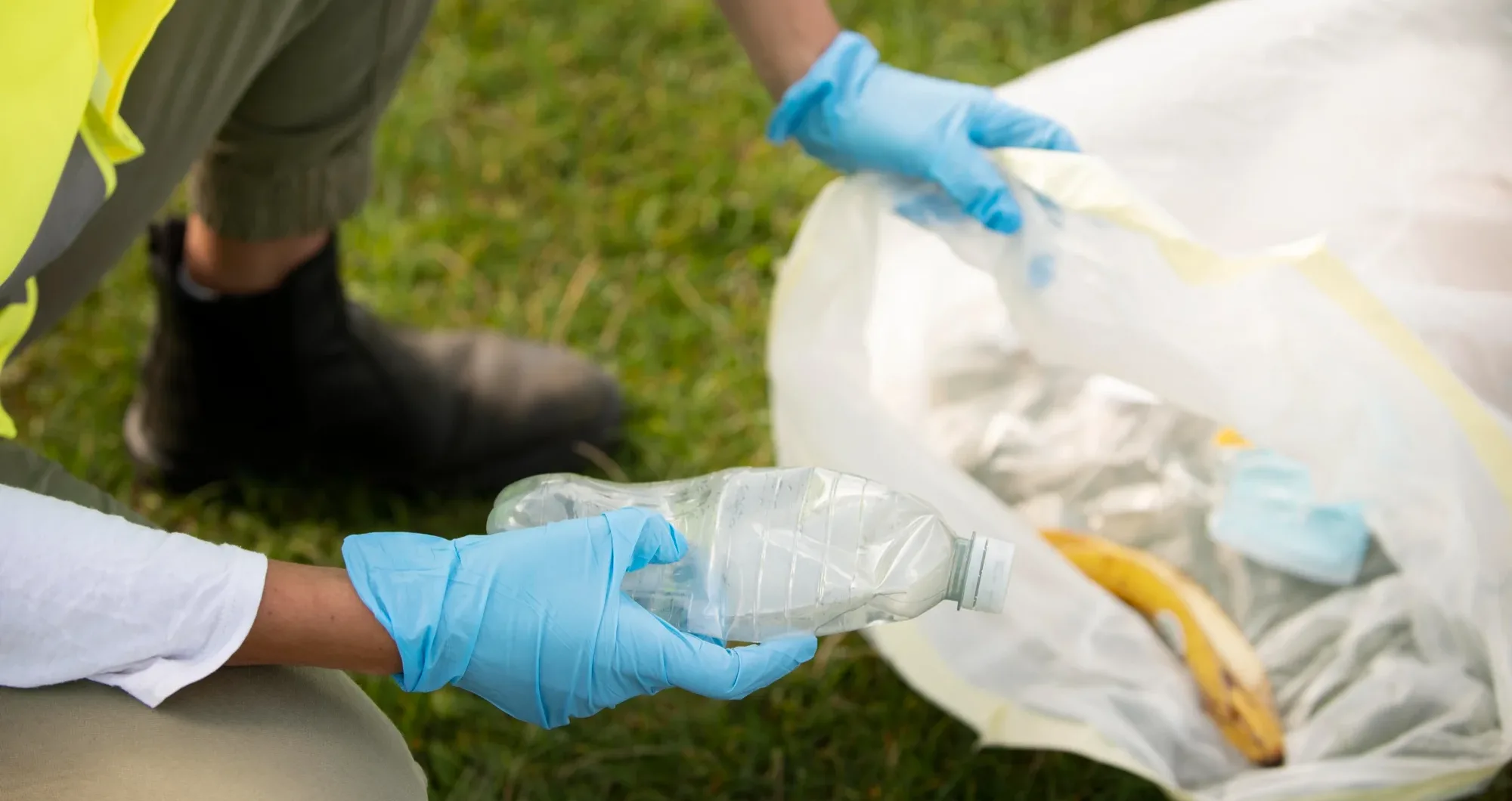

What is the cost of neglecting biomedical waste management in today’s environmentally conscious world? For Anaheim’s thriving healthcare sector, the stakes are higher than ever. With rapid advancements in medical infrastructure and increasing patient care demands, healthcare facilities face the dual challenge of ensuring public health and preserving the environment. Addressing biomedical waste management through sustainable practices is no longer optional—it’s imperative.
Understanding the Scope of Biomedical Waste in Anaheim
Healthcare facilities generate significant quantities of biomedical waste daily, ranging from contaminated syringes to pathological waste. Mismanagement of this waste can lead to grave consequences, including environmental contamination and public health risks. Cities like Anaheim, with a robust healthcare system, must adopt innovative solutions to tackle this challenge effectively.
Notably, the California Department of Public Health (CDPH) enforces stringent regulations to manage biomedical waste disposal responsibly, setting the tone for compliance and safety. Healthcare facilities must align with these standards to ensure sustainable waste handling practices.
The Role of Medical Waste Disposal in Anaheim
Medical Waste Disposal in Anaheim serves as the cornerstone of sustainable healthcare operations. This essential service involves the safe collection, transportation, treatment, and disposal of hazardous medical byproducts. Facilities that partner with certified disposal providers not only reduce environmental liabilities but also ensure compliance with federal and state regulations.
Proper waste segregation at the source plays a pivotal role in minimising risks. Segregating infectious waste from non-hazardous materials streamlines disposal and significantly lowers the environmental footprint of healthcare operations. Furthermore, advanced technologies like autoclaving and chemical disinfection are increasingly employed to neutralise biohazard risks.
Why Medical Waste Disposal is a Critical Component
Medical waste disposal isn’t just a regulatory requirement; it’s a moral obligation for healthcare providers. Improper disposal can lead to severe repercussions, such as groundwater contamination, air pollution, and the proliferation of drug-resistant pathogens. Organisations that prioritise efficient disposal protocols set themselves apart as leaders in corporate social responsibility (CSR).
Globally recognised frameworks, such as those established by the World Health Organisation (WHO), underscore the importance of stringent waste management systems. Healthcare institutions in Anaheim can leverage these guidelines to enhance their existing processes, ensuring both operational efficiency and community trust.
Leveraging Sustainable Practices for Long-Term Impact
The shift towards sustainable biomedical waste management is transforming how healthcare facilities operate. Strategies such as reducing single-use plastics, implementing reusable medical tools, and embracing green certifications are gaining traction across Anaheim’s medical community.
For instance, some hospitals are adopting waste-to-energy technologies, converting non-recyclable waste into usable energy. These innovations not only mitigate waste accumulation but also contribute to the region’s renewable energy goals. Additionally, educational initiatives aimed at staff and patients promote awareness of environmentally responsible practices.
The Economic Benefits of Sustainable Waste Management
Adopting sustainable biomedical waste practices isn’t just beneficial for the environment; it’s also economically advantageous. Facilities that streamline their waste management processes often experience reduced operational costs over time. Investments in advanced treatment technologies can lead to significant savings by minimising fines and optimising resource utilisation.
Moreover, a commitment to sustainability can enhance an organisation’s reputation, attracting environmentally conscious patients and stakeholders. Studies show that healthcare providers with robust waste management policies enjoy higher levels of patient satisfaction and community support.
Overcoming Challenges in Implementation
Despite the clear advantages, implementing sustainable biomedical waste practices comes with its challenges. Budget constraints, lack of awareness, and resistance to change often hinder progress. However, these barriers can be overcome through strategic planning and collaboration.
Engaging with industry experts and leveraging external resources—such as government grants and partnerships with waste management firms—can bridge the gap. Additionally, adopting digital tracking systems to monitor waste generation and disposal offers transparency and enhances accountability.
Looking Ahead: The Future of Biomedical Waste Management
As the healthcare landscape evolves, so does the need for innovative waste management solutions. Emerging trends, such as AI-powered waste monitoring systems and biodegradable medical supplies, hold promise for revolutionising the industry. Facilities in Anaheim can stay ahead by integrating these advancements into their operations, ensuring a sustainable and efficient future.
Furthermore, fostering a culture of environmental stewardship among healthcare professionals can amplify the impact of these initiatives. By prioritising sustainability at every level, from procurement to disposal, healthcare facilities can lead the way in setting new standards for the industry.
Conclusion
Anaheim’s healthcare facilities stand at the forefront of addressing one of the most pressing challenges of modern medicine—biomedical waste management. By embracing sustainable practices and leveraging innovative technologies, these institutions not only fulfil their regulatory obligations but also contribute to a healthier planet.
The path forward requires collaboration, investment, and a steadfast commitment to environmental responsibility. As the city continues to grow as a healthcare hub, its approach to waste management can serve as a blueprint for others to follow. For businesses and medical providers alike, the time to act is now.