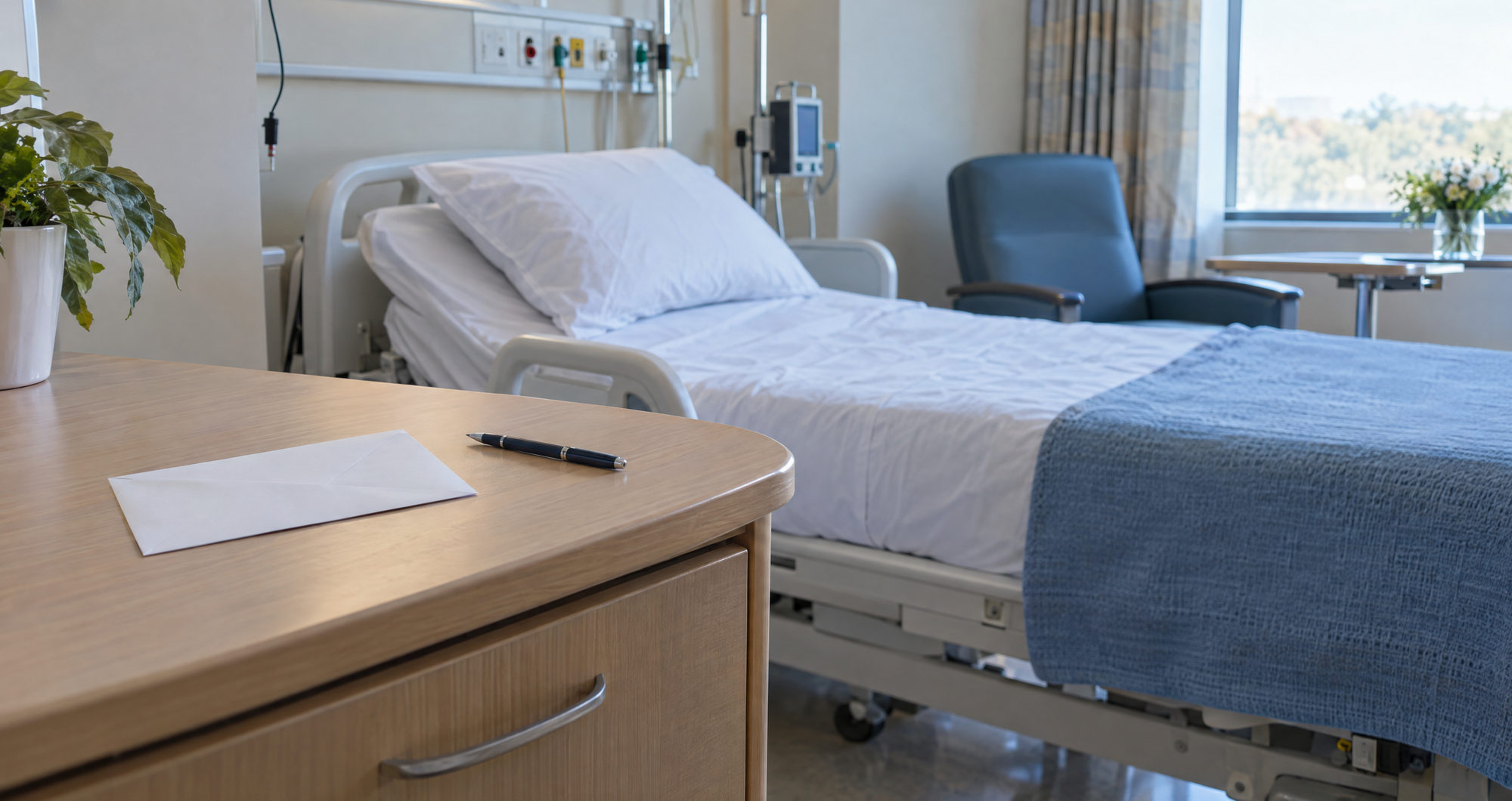

On 15 November, the New Zealand Nurses Organisation said at least 12 bedridden patients at an Auckland hospital were unable to vote in New Zealand’s general election and that it was surveying members at two hospitals to find out whether others missed the chance to take part.
The union says the 12 patients were at North Shore Hospital and could not get to a mobile voting team. Its figure is an allegation about that hospital, not a verified total for Auckland or a finding about patients at Middlemore Hospital, where members are also being surveyed.
Electoral officials have described a separate arrangement at Middlemore, where they say a mobile team issued takeaway votes to patients on the day before polling and returned on election day to collect completed votes. Their account did not address the circumstances of the individual North Shore patients.
Questions over access at the bedside
The union says its North Shore figure includes five patients in the Elective Surgery Centre, four in Ward 4 and three in Ward 15. It says the patients were confined to bed and unable to reach the mobile voting team. In its 15 November statement, the union did not publish the results of its wider survey or a confirmed total for the two hospitals.
A union delegate said nurses had asked before the election for mobile teams to be available on polling day. The union says voting teams were at North Shore and Middlemore on Friday 6 November, the day before the election, and that the time available did not allow staff to reach all the patients who wanted to vote.
The electoral authority’s account of Middlemore is more specific about what happened on the Saturday. It says its staff returned to collect completed votes. That describes an election-day collection; it does not establish what happened to each patient, or provide an account of the service at North Shore.
The union also says long queues on the Friday made it difficult for some nurses to vote while carrying out their work. It says staff were left supporting distressed patients as well as dealing with their normal duties. In its 15 November statement, the union did not give a total for nurses who were unable to cast a ballot.
Different arrangements at each hospital
Electoral officials say the type of voting service provided depends on what works for each hospital and on the space available. At Middlemore, they say patients could ask ward staff for a takeaway vote. Ward staff recorded their details and passed them to the electoral team, which prepared the voting papers. The authority says these arrangements were the same as those used there in 2023.
Before the election, health authorities said Middlemore patients who would remain in hospital on polling day would have an opportunity to vote on the Friday, although there would not be a public polling booth on the site. They also described a Friday voting place in the main foyer at North Shore and mobile teams due to visit wards there and at Waitākere Hospital.
A planned ward visit or a voting place in a foyer does not, by itself, show whether a patient confined to bed received a ballot. Equally, the union’s concerns do not establish that no Middlemore patients were offered a vote. The reported accounts leave open how many people were affected and what happened in individual cases.
The union has called on health and electoral authorities to explain the arrangements. It says responsibility for organising patient voting shifted to nurses after a patient experience team was disbanded. That is the union’s account of the change and does not, on its own, establish why any particular patient missed a vote.
The election and the count
New Zealand’s election was held on Saturday 7 November, after advance voting began on 26 October. Before polling, the electoral authority said more than 2,300 voting places would open on election day and that mobile services were among the options intended to help people vote. Those national figures do not describe the experience of patients in any particular ward.
As of 16 November, the official count was under way. Electoral officials say the preliminary result did not include approximately 400,000 special votes and that declarations must be checked before eligible special votes are counted. The official results are due on 27 November.
The counting process concerns votes that were cast; it cannot add a ballot for someone who did not vote. The union’s reported figure is not evidence that the hospital cases changed the election result.