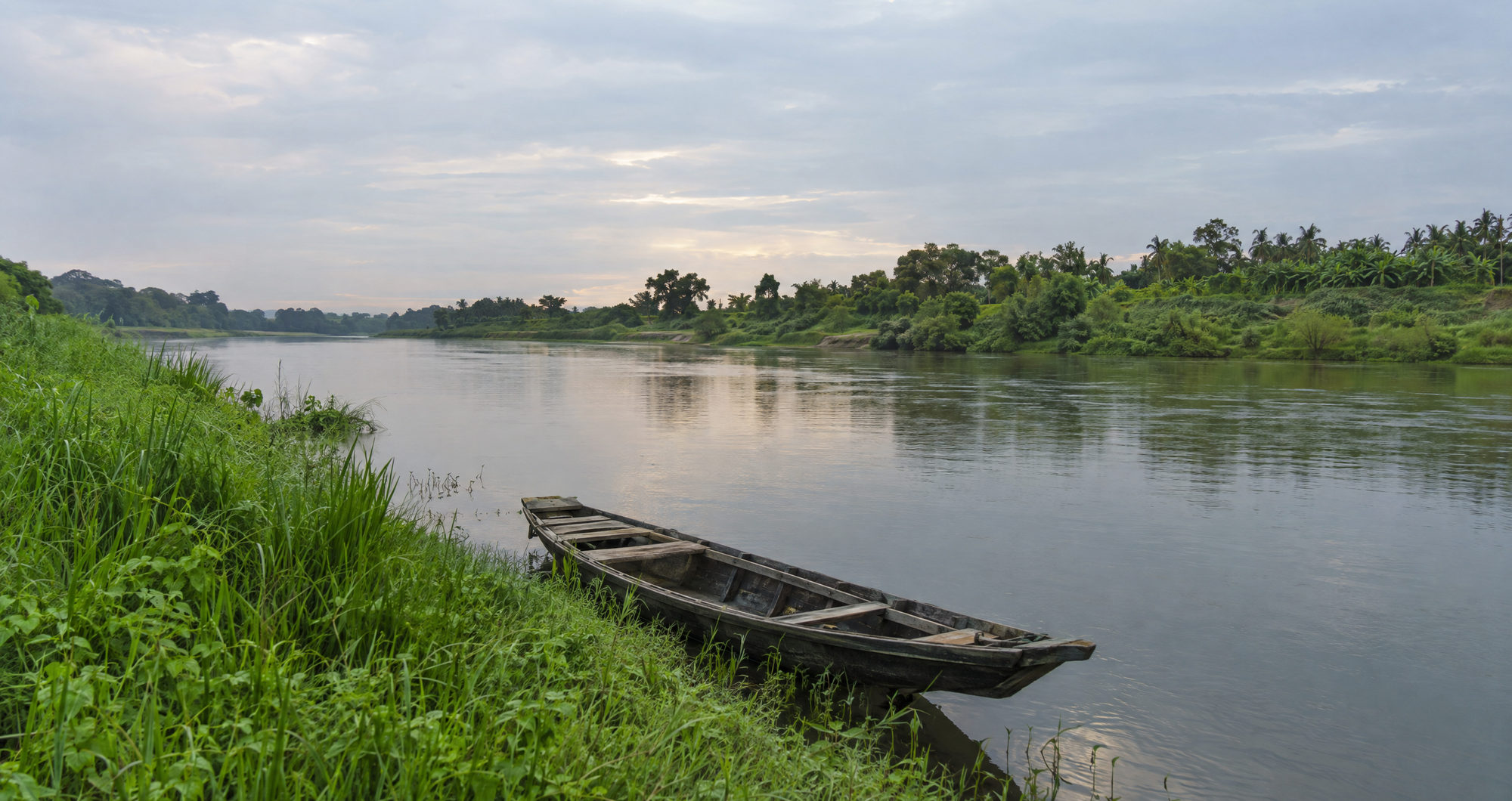

Officials have inaugurated excavation and clearance work on the Magra River in Netrokona, Bangladesh, under a Tk484.97 million scheme intended to improve the waterway’s flow and tackle pollution.
The ceremony took place on the riverbank beside the district council office on Saturday 14 November. Local lawmaker Anwarul Haque inaugurated the work, which forms part of an existing river revitalisation project rather than a newly approved spending scheme.
The Water Development Board plans to re-excavate 41 kilometres of the river, between its 56-kilometre and 97-kilometre points. The work is divided into seven packages. Its objectives include restoring the movement of water and improving navigability, but those results remain to be achieved.
Excavation and clearance
Plans also call for the removal of household and commercial waste and water hyacinth from the river. The scheme includes the removal of structures that officials classify as illegal encroachments on its banks, as well as 1.6 kilometres of landscaping.
The Magra runs through Netrokona town and its surrounding district. In the town, homes, shops and other buildings stand along its banks. Waste has accumulated beside the water, while municipal drains and some household sewer connections have discharged into the river.
The pollution problem is therefore wider than the material that can be taken out of the channel. Haque said improvements to waste management and sewerage would also need attention. Removing existing rubbish will not, on its own, stop further waste entering the river.
District officials are reviewing a list of people identified as occupying river land. Haque said people who could establish lawful ownership and suffered losses through clearance would receive government assistance. That was a commitment made at the launch, not evidence that individual claims have already been settled.
A project with an existing timetable
The scheme’s listed implementation period runs from November 2025 to June 2027. The November ceremony marked the formal opening of excavation and clearance activity within that period; it did not mark the original approval of the project.
The estimated project cost is Tk484.97 million, equivalent to Tk48 crore, 49 lakh and 70,000. The sum covers the wider revitalisation scheme rather than just a single excavation contract. Earlier project plans allocated Tk453.7 million to river excavation, with the remaining funding earmarked for riverside improvements in the town.
Haque also described plans for walkways on both banks after excavation, together with tree planting and street lighting. Those additions are proposals for the riverside, not amenities already in place. They are separate from the immediate announcement of excavation and clearance work.
Riverbank communities use the water and surrounding land in different ways. In Bishwanathpur village, for example, residents have used the river for livestock and grown seasonal crops on exposed sandy areas. The project’s announced stretch should not be assumed to cover every community along the river.
Officials hope a better-flowing channel will reduce flood-related damage and help protect crops. Those are intended benefits, not a measurement of losses already prevented. The eventual effect will depend on the work being carried out and on the longer-term management of waste and riverbank use.