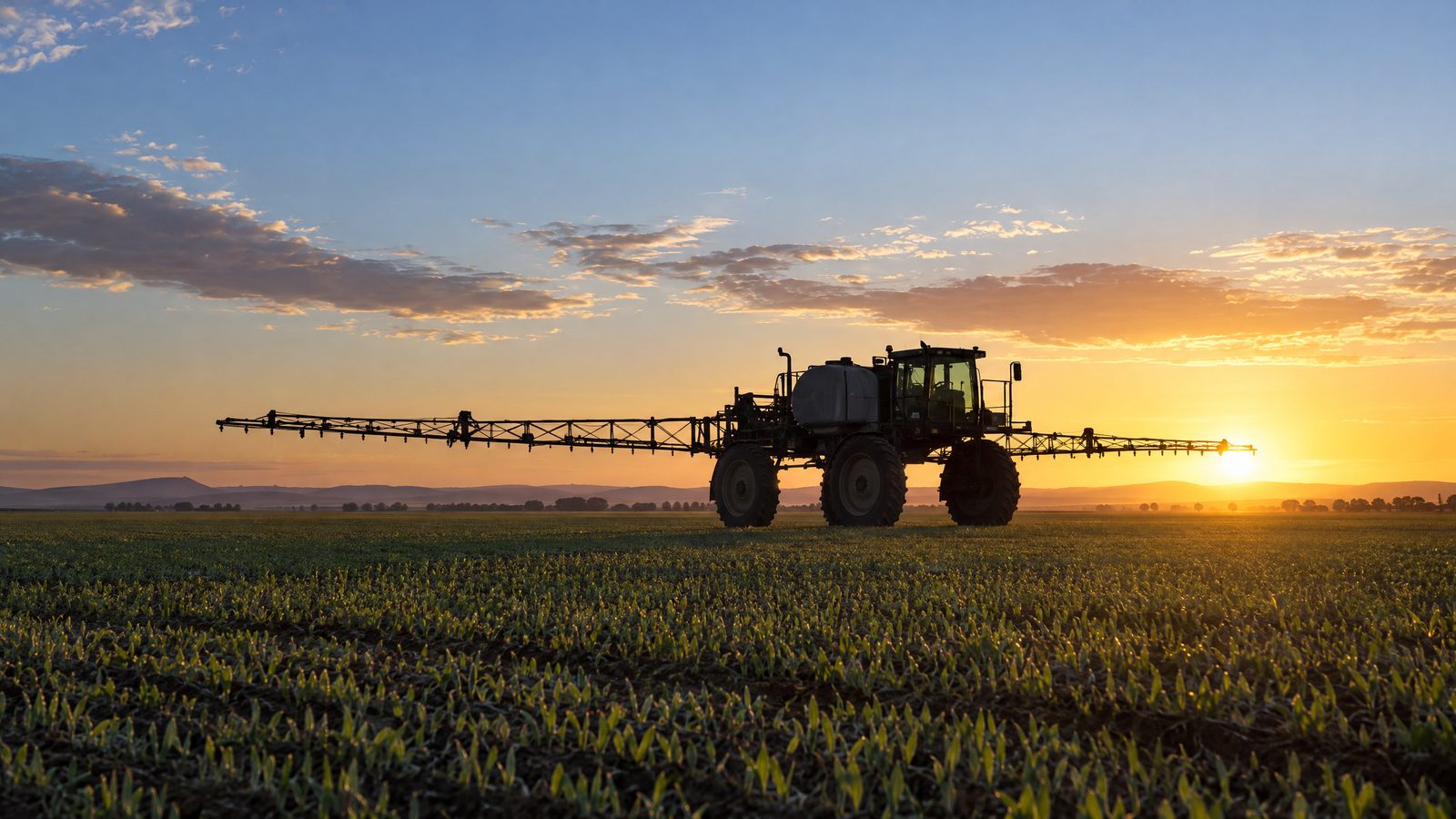

Australia’s paraquat rules are facing Senate scrutiny, with a parliamentary inquiry accepting submissions and considering current evidence about any association between exposure to the chemical and Parkinson’s disease among its terms of reference.
The Senate referred the matter on 8 September 2026. Submissions are open until 18 November 2026, and the inquiry’s published arrangements state that it will not hold a public hearing.
The scrutiny follows final decisions by the APVMA to retain paraquat and diquat for use with significant new restrictions. Those decisions combine continued use of the chemicals with tighter application limits, equipment requirements and personal protection measures.
The regulatory decision and the parliamentary inquiry are separate developments. The APVMA has set out its position on continued use, while the Senate process provides for submissions on matters that include the evidence concerning paraquat exposure and Parkinson’s disease.
Continued use under tighter restrictions
For paraquat and diquat, the APVMA says the maximum application rate was reduced from 1,150 to 231 grams per hectare. The lower rate is one of several restrictions accompanying the decision to retain both chemicals.
Backpack sprayers are to be phased out. Enclosed mixing and loading systems are required, alongside enhanced personal protective equipment. The measures therefore extend beyond the application rate to equipment and protection requirements associated with use.
The distinction is that retention does not mean unchanged conditions. The APVMA’s final decisions allow continued use, but with the significant restrictions it has specified for both paraquat and diquat.
The APVMA Special Gazette dated 23 June 2026 formally records reconsideration decisions for paraquat. Those decisions varied active-constituent approvals, product registrations and label approvals, documenting changes across each of those three regulatory categories.
The Gazette predates the Senate referral in September. The parliamentary examination is therefore taking place after formal reconsideration decisions have been recorded, rather than ahead of the regulator’s first decision on whether to retain the chemicals.
Parkinson’s evidence within the inquiry’s scope
On Parkinson’s disease, the APVMA states that the weight of evidence did not show that paraquat exposure through approved uses increases the risk of developing the condition. That is the regulator’s stated finding.
The qualification concerning approved uses is part of that assessment. The finding should not be broadened into a claim about every possible form of paraquat exposure, nor presented as settling the medical debate.
The inquiry’s terms of reference include the current evidence regarding any association between paraquat exposure and Parkinson’s disease. That wording places the evidence within the inquiry’s scope without treating an association as an established fact.
The health-evidence question is also distinct from the restrictions themselves. The APVMA has stated its finding on Parkinson’s disease while retaining both chemicals under tighter conditions; its assessment does not mean the new controls have been removed.
Competing views have been expressed by the APVMA, Senator David Pocock, Parkinson’s Australia and a grain-grower representative. Those differing perspectives sit alongside the regulator’s formal decisions and the Senate’s examination of the issue.
The inclusion of Parkinson’s disease in the terms of reference makes the evidence question an explicit part of the parliamentary process. It does not, by itself, establish that exposure causes the disease or replace the APVMA’s stated finding.
Submissions remain open until 18 November. With no public hearing to be held, the published arrangements provide for contributions through submissions while the inquiry examines matters including the current evidence on paraquat exposure and Parkinson’s disease.