

Bangladesh has called for climate finance to reach vulnerable countries more quickly and for a greater share to be provided as grants, as its delegation presses for practical support at the COP31 talks in Turkey.
At a briefing in Antalya on Friday 13 November, the delegation estimated that Bangladesh needs between US$10 billion and US$11 billion a year to tackle climate change. It said the country spends around US$4.5 billion to US$5 billion annually from its domestic budget on climate-related initiatives.
The estimates frame a wider appeal for international commitments to translate into money that countries and communities can actually use. Environment Minister Abdul Awal Mintoo said developed countries needed to deliver on their financing pledges, while the delegation called for simpler access to funds and faster disbursement.
The briefing was organised jointly by Bangladesh’s environment and foreign ministries. State Minister for Foreign Affairs Shama Obaed Islam and State Minister for Environment Shaikh Faridul Islam were among those present.
Grants and access to funding
Bangladesh is seeking more grant-based support for adaptation and for addressing climate-related loss and damage. Grants do not have to be repaid, unlike loans, so the form of finance matters to a country concerned about taking on additional debt while protecting its population.
The delegation wants easier direct access to the Green Climate Fund, the Global Environment Facility and the Adaptation Fund. Its position is that complicated applications and delays can stand between an international commitment and the work that needs to happen locally.
Bangladesh also supports a call by the Least Developed Countries group to triple adaptation finance to US$120 billion a year before 2035. That figure is a negotiating demand for vulnerable countries collectively, not a sum promised to Bangladesh.
Adaptation covers measures intended to help people and infrastructure cope with changing conditions. Bangladesh’s priorities include early warning systems, coastal resilience, water security and support for agriculture. Its delegation stressed that the people facing climate risks should be involved in shaping local responses.
Loss and damage
Mintoo said the resources available to the Fund for Responding to Loss and Damage were insufficient compared with the proposals submitted. Bangladesh is asking developed countries to increase contributions, simplify access and speed up payments.
The delegation wants support to cover both economic and non-economic losses. These can include damage to property and livelihoods as well as harms that are harder to express in financial terms, such as displacement and the loss of community ties.
River erosion was raised during the briefing as a particular concern for displaced communities. The delegation said climate support should reach those most in need, rather than remaining at the level of pledges.
Cyclones, flooding, salinity and heat pose risks to livelihoods, farming and infrastructure in Bangladesh. The country’s low-lying land and extensive river network make the protection of coastal and river communities a central part of its adaptation agenda.
Plans for coastal resilience
Bangladesh has been selected for the first phase of a separate resilience programme run by the Climate Investment Funds. It is among five countries invited to prepare an investment plan with development-bank partners for up to US$30 million in programme financing.
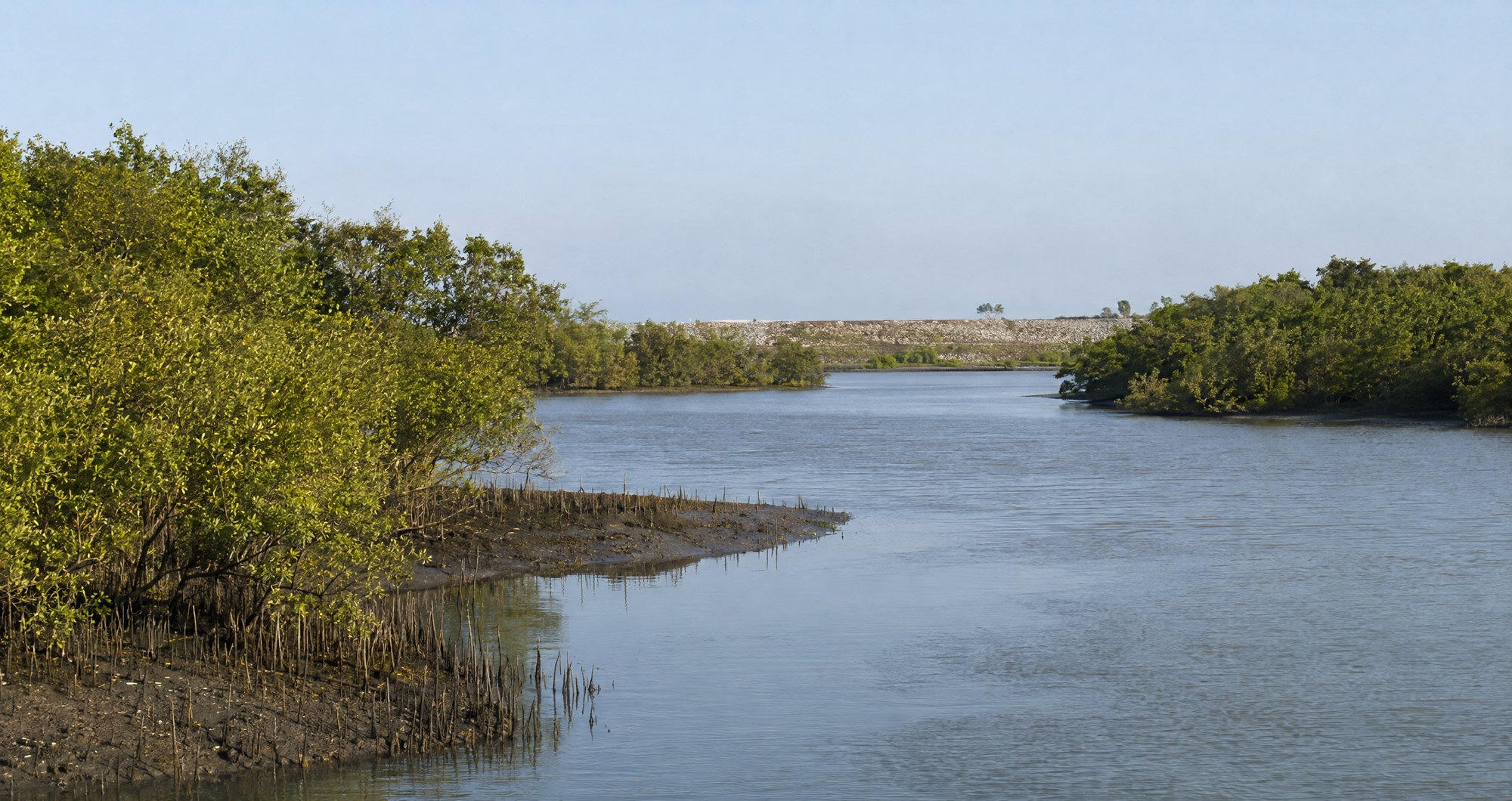
The selection is a step towards a plan, not confirmation that the full amount has been approved or paid. Bangladesh’s ministers have identified coastal infrastructure and climate-friendly agriculture as areas of interest. Strengthening coastal defences and restoring mangroves are also among the ambitions outlined for the programme.
Wider climate negotiations
At COP29, countries agreed a goal of at least US$300 billion a year in climate finance for developing countries by 2035, with developed countries taking the lead. They also agreed to work towards scaling finance from all sources to US$1.3 trillion a year by the same deadline. Those global goals are not allocations to any one country.
Bangladesh’s delegation said the question was not only how much money was pledged, but who would provide it, how it would be distributed and whether access could be made simpler. It also called for measures to support national adaptation priorities without adding unnecessary reporting burdens.
The country’s own climate pledge sets a 2035 emissions target against a business-as-usual projection. Bangladesh aims to reduce emissions by 6.39 per cent through its own efforts, with a further 13.92 per cent reduction dependent on international support. These are planned reductions compared with projected emissions, not cuts already achieved.
The delegation backed continuing the international mitigation work programme through 2030, alongside finance, technology transfer and training. It also called for a transition to cleaner economies that protects workers and vulnerable communities through skills development, decent employment and social protection.
Bangladesh raised concerns that climate-related trade measures could place disproportionate pressure on exporters and workers in developing countries. As negotiations continue, its delegation is working with the Least Developed Countries group, the G77 and China and other partners to seek outcomes that turn financial commitments into practical support.







