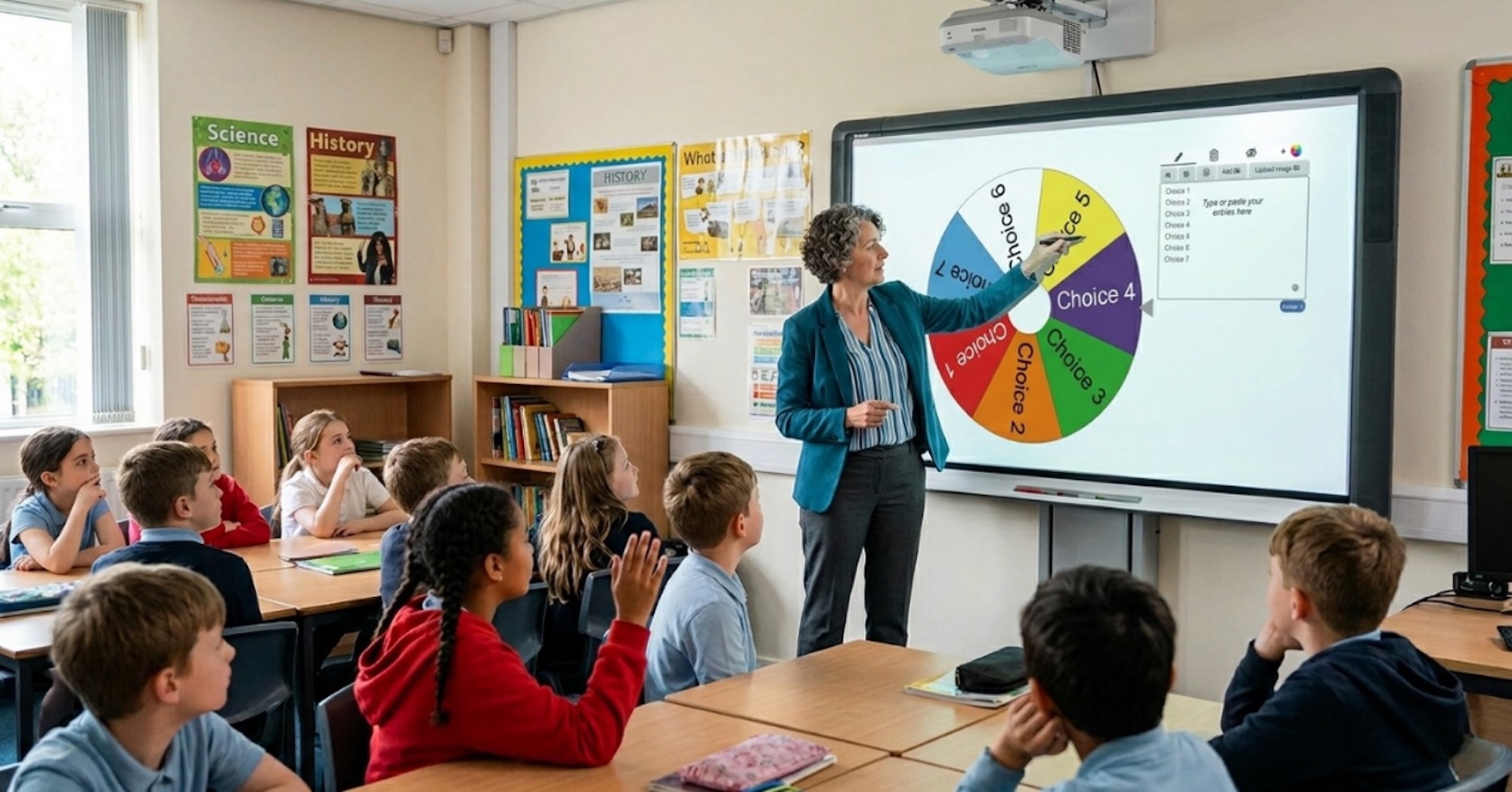

Engaging students in the classroom is often easier said than done. Traditional lectures can sometimes leave students passive and disengaged, especially in a world where digital interactivity shapes young minds. One powerful tool that’s been gaining a lot of usage among educators is this wheel spinner app that was developed in the UK. Whether used for quizzes, random group assignments, or fun decision-making, it offers teachers a fresh, interactive approach to teaching.
The Power of Interactive Tools in Modern Classrooms
Interactive learning promotes active participation and encourages students to engage with content rather than passively absorb it. Studies show that small, consistent interactive exercises help reinforce concepts and improve retention. Tools like Spin the Wheel offer teachers a way to implement these strategies efficiently.
Simple and instant web applications have a unique UX advantage: they remove friction for users while boosting engagement, making them ideal for teachers seeking quick classroom solutions.
How Spin the Wheel Enhances Learning
1. Interactive Quizzes
Traditional quizzes often leave little room for spontaneity. Spin the Wheel introduces a playful element of chance. Teachers can load multiple questions onto the wheel, and students answer only those selected by the spin. This method not only keeps students attentive but also encourages a sense of anticipation and excitement.
2. Decision-Making with Yes or No Wheels
Sometimes a simple decision can change classroom dynamics. A Yes or No wheel is perfect for binary choices, whether it’s selecting topics, deciding which activity to pursue, or even determining classroom privileges. Students enjoy the transparency and fairness of leaving decisions up to chance, and it saves teachers from repetitive negotiations.
3. Randomised Group Activities
Forming student groups can sometimes be a challenge, especially when friendships dominate group selections. Using a wheel spinner, teachers can randomise group formations, ensuring diversity and helping students build social skills outside their comfort zones (SIIT).
4. Homework and Assignment Choices
Students are more motivated when they feel a sense of agency. By offering a selection of homework tasks on a spinning wheel, teachers can introduce choice in assignments, making students more invested in completing them. Over time, this encourages responsibility and reduces homework resistance.
5. Science and Maths Experiments
Spin the Wheel can turn abstract concepts into tangible experiences. For example, a wheel displaying colours can demonstrate light mixing, while a probability wheel can provide hands-on learning for statistics and chance, helping students connect theory to practice.
Practical Classroom Applications for UK Teachers
For teachers in London and across the UK, Spin the Wheel is particularly useful in settings where interactive learning is prioritised, from primary schools to secondary classrooms. Here are some practical ways to integrate it:
- Morning Warm-Ups: Short, fun spins can act as energisers at the start of lessons, similar to the benefits highlighted in discussions on the power of warm-ups in learning contexts.
- Inclusive Engagement: Use the wheel to ensure every student participates, fostering equality in classrooms and following active listening and engagement strategies recommended for educational leadership.
- Educational Games: Combine Spin the Wheel with free online educational games to make digital learning interactive and motivating.
Benefits Beyond Engagement
Spin the Wheel offers more than just fun. Teachers report improvements in classroom management, increased student motivation, and a more positive learning atmosphere. The app’s flexibility, including the ability to create multiple wheels for different purposes, allows teachers to adapt it across subjects, age groups, and learning objectives.
Tips for Maximising Spin the Wheel in Class
- Plan Ahead: While the app is easy to use, preparing wheel segments in advance ensures smooth execution.
- Balance Chance and Skill: Avoid making the wheel the sole decider for high-stakes activities; combine randomness with structured assessment.
- Use it for Reflection: Spin the Wheel can prompt student self-assessment or feedback sessions.
- Rotate Roles: Use wheels to fairly assign classroom responsibilities, fostering fairness and accountability.
Conclusion
Spin the Wheel apps are more than just a novelty; they are versatile tools that encourage interactivity, fairness, and fun in the classroom. UK teachers in a diverse educational landscape, can leverage these apps to boost engagement, enhance learning, and create a more dynamic classroom environment. By combining simple instant web tools with creative teaching strategies, the modern classroom can become a space where every student participates, learns, and thrives.