
Brazil’s COP30 presidency has published two international climate roadmaps. One is intended to help countries move away from fossil fuels in their energy systems. The other addresses efforts to halt and reverse deforestation and forest degradation by 2030. The documents were presented in Brasília on 3 November, ahead of the next United Nations climate conference.
Both are voluntary contributions from the Brazilian presidency, rather than new agreements negotiated by governments. They suggest ways of acting on existing climate decisions but do not themselves oblige countries to adopt particular policies.
Brazil offered to develop the documents at the close of last year’s COP30 summit in Belém. Governments did not reach consensus on including a fossil-fuel transition roadmap in the final negotiated outcome. The presidency’s subsequent work took place separately from that agreement.
The energy roadmap asks countries to examine their reliance on fossil fuels and their capacity to change. Its framework looks at energy demand, energy supply and the wider economy. A country that earns substantial public revenue from oil and gas, for example, faces different questions from one that mainly imports fuel.
The proposed approach has stages, although the document says work can proceed in parallel and countries can adapt the order to their circumstances. In the period to 2028, it emphasises assessment, national planning and institutional coordination. It also identifies early action on fossil-fuel incentives, methane and routine gas flaring.
For 2029 and 2030, the emphasis shifts towards expanding lower-emission energy, improving efficiency and developing the networks and storage needed to support it. In the 2031–33 phase, the roadmap envisages a greater push on adjusting and diversifying fuel supply if demand falls. These are proposed priorities, not binding deadlines for a universal phase-out.
The document stresses the need to co-ordinate changes in supply and demand. Its concern is that reducing supply ahead of demand could create shortages and volatile prices, while maintaining production beyond future demand could prolong dependence and leave investments underused.
The energy roadmap also puts an emphasis on fairness and access to affordable energy. It discusses protecting workers and communities as energy systems change. Its proposals leave the pace and pathway of transition to individual countries, and publication of the document does not mean governments have agreed to a single timetable.
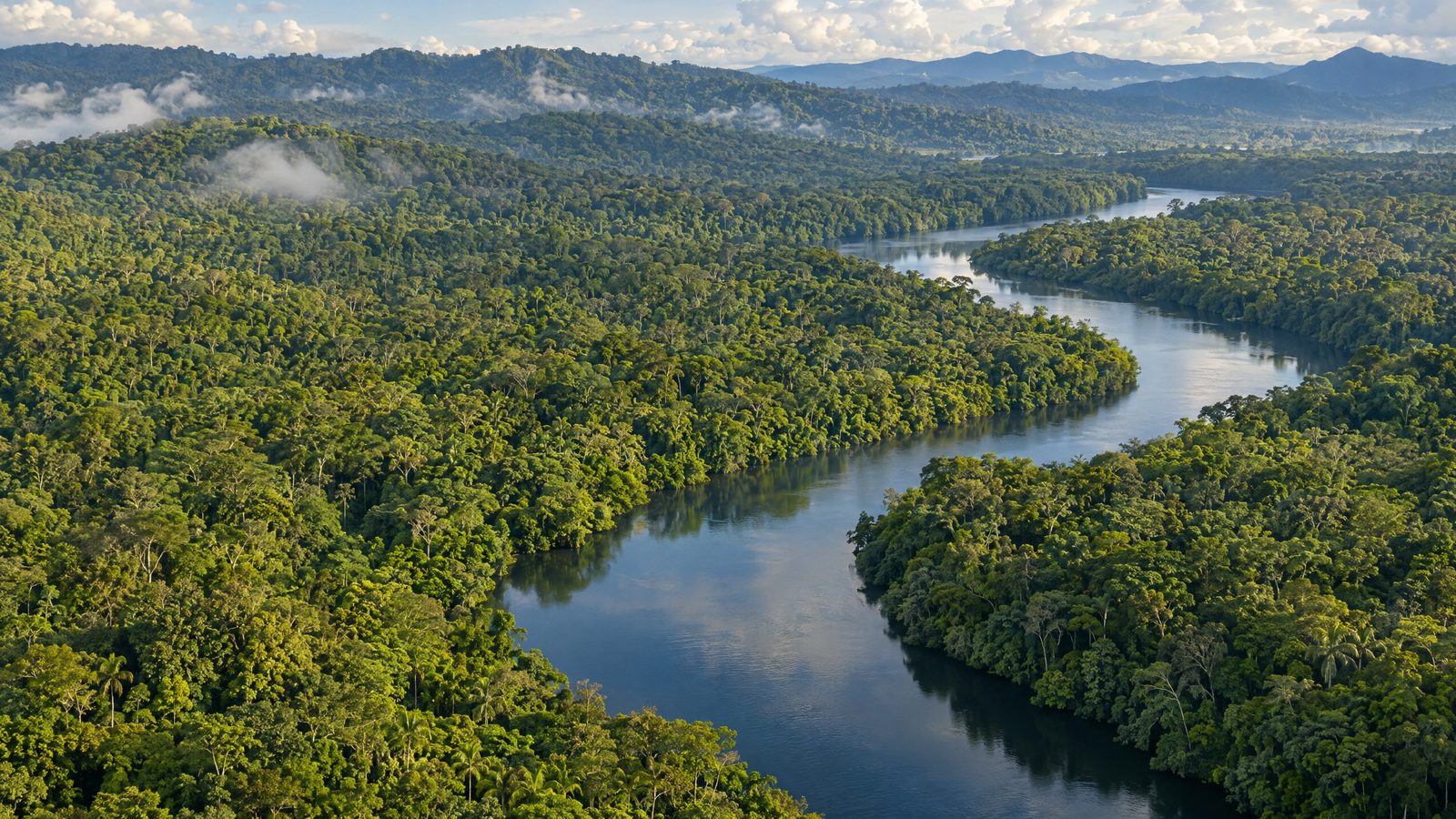
The forest roadmap is global in scope. It covers tropical and other forests as well as related ecosystems such as peatlands and mangroves. It addresses degradation as well as deforestation: a forest can remain standing while losing some of its capacity to store carbon, support wildlife or sustain livelihoods.
At national level, the roadmap proposes that countries examine forest conditions and the causes of loss, align policies and finance, set targets, carry out and monitor measures, and adjust their approach in response to progress. The aim is to make existing strategies more effective, not to prescribe an identical system for every country.
The suggested areas of work include conservation, sustainable forest management, tackling damage and restoring forest areas. Internationally, the document points to better information and monitoring, technical support, cooperation against cross-border environmental crime and trade incentives for sustainable production.
Financing is a central challenge. The forest roadmap identifies a financing gap: annual forest finance was estimated at about US$84.5 billion in 2023, while around US$300 billion a year would be needed by 2030. Most of the recorded 2023 finance came from domestic public budgets. The larger figure is an estimate of need, not money already committed.
The roadmap examines different ways to support forest protection, including payments linked to results and the Brazil-led Tropical Forest Forever Facility. The facility is intended to use investment returns to support countries that preserve forests. The proposals also address improving access to finance for Indigenous peoples and local communities.
The documents were released before COP31, scheduled to run in Antalya, Turkey, from 9 to 20 November. The COP30 presidency presents the roadmaps as tools to support implementation, rather than as texts for negotiation. Their practical effect will depend on decisions and resources beyond their publication.