
Para-athlete Ryan Raghoo, aged 29, was born with cerebral palsy – a neurological disorder that affects movement, coordination and balance. Despite spending much of his early life in hospital and using a wheelchair, he exceeded all expectations to become a record-breaking long jumper.
But his path to glory has been far from smooth.
Ryan uses a wheelchair intermittently, depending on his energy-levels, but despite being keen on sports, at primary school, he was forced to take part in activities which weren’t suitable. When he got to secondary school, he was excluded from PE due to his disability.
“I grew up in a council house in Croydon and my parents didn’t have a lot of spare cash to get me involved in disability activities,” he explains. “But for a short while, as a teenager, I played cricket with Surrey Disability Cricket and that’s when I discovered that I was actually a fast runner. I knew, then, that I wanted to be an athlete so when I went to university, I found myself a coach.”
He went on to develop his athletic prowess in long jump, becoming a world champion at the Cerebral Palsy International Sports and Recreation Association Games on more than one occasion. But tragically, his career took a difficult turn when he wrenched his knee.
“I was used to being injured and I thought I’d be back training in a few months,” he continues. “But though I saw lots of specialists, there was nothing anyone could do to repair my knee. I admit I spiralled into a kind of mental health crisis. I was used to being in a high-performance environment and all my friends and colleagues were from that world, too. When I couldn’t compete, I lost my sense of identity.”
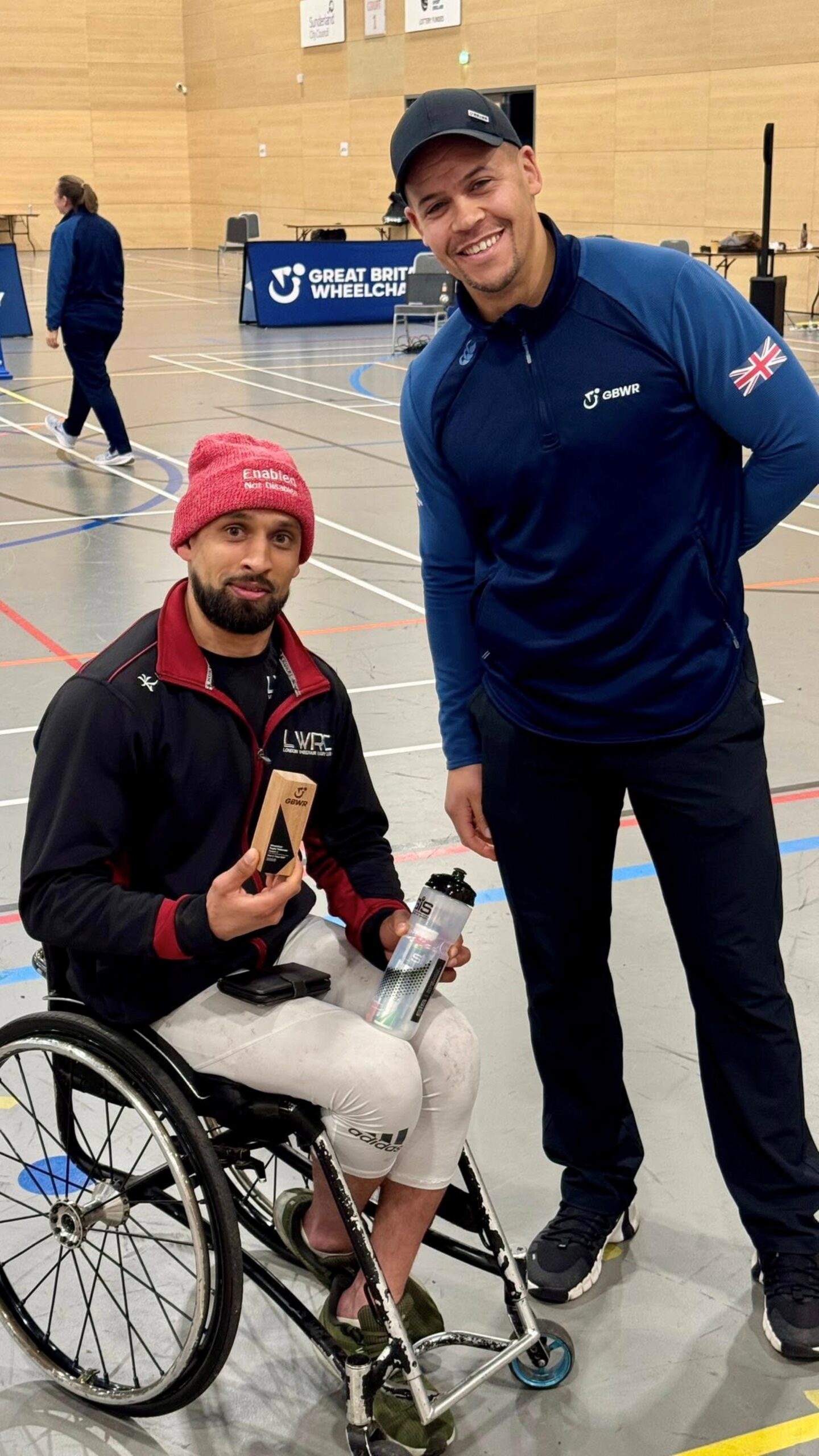
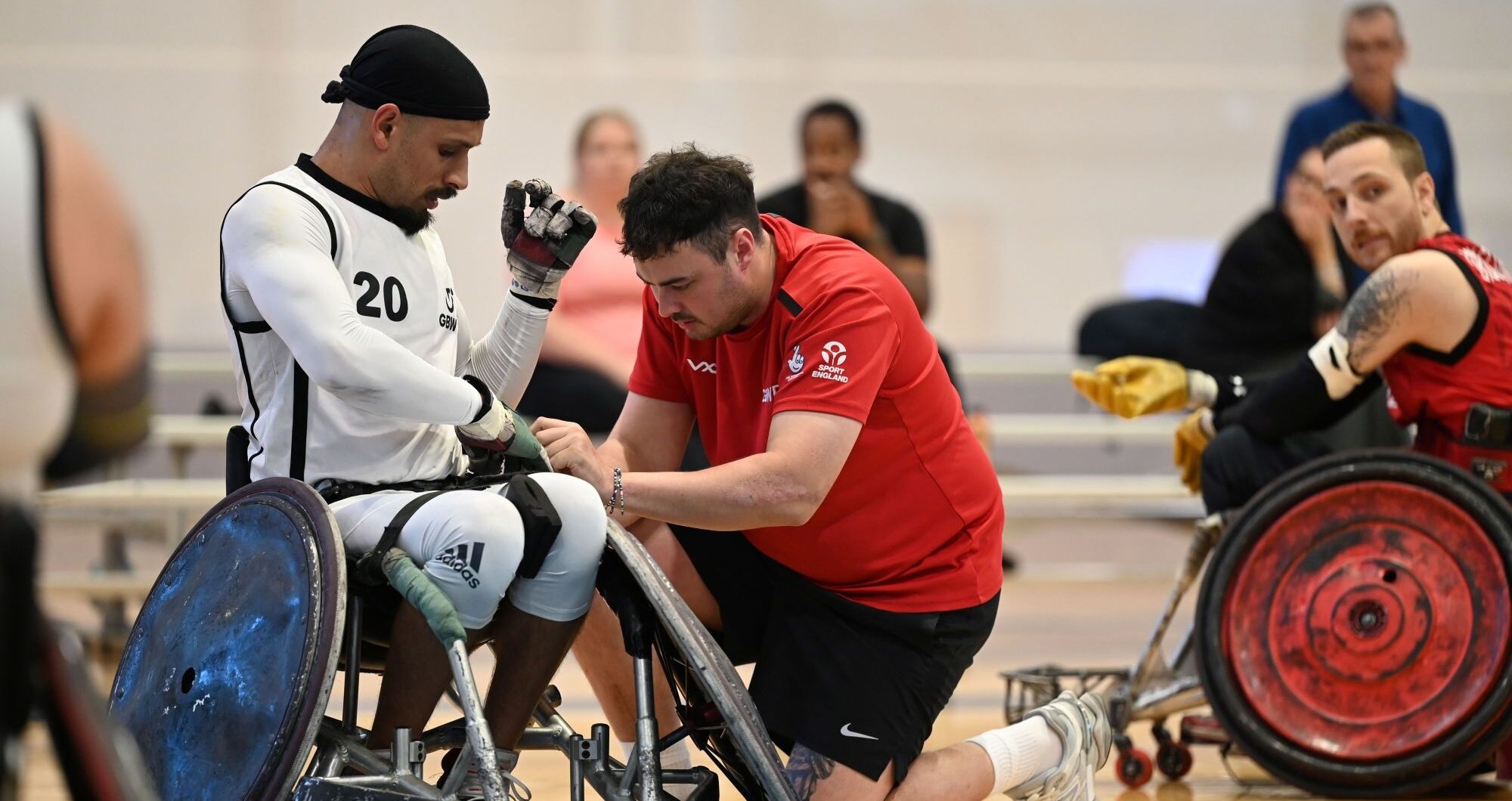
After trying other activities, Ryan eventually came across the sport of wheelchair rugby and is now on course for the GB Paralympic team in 2028 or 2032. Originally known as ‘murderball’, it’s a fast-moving, indoor activity.
“It’s given me the ‘second chance’ I didn’t think I’d get,” he explains. “It’s one of the few full-contact sports open to Para-athletes and to be honest, it’s pretty brutal. The chairs are purpose-built to bash into each other and you can get hurt – I’ve had dislocated fingers! But after a hard day, it’s a great outlet for your frustrations.
“Most people only see the ‘big hits’ but a lot of the game is about tactics. You have to be agile enough to dodge other players and avoid them smashing into you – my coach always says the game is about contact-avoidance.”
Ryan is one of 140 athletes in Croydon who are being supported by GLL’s Sport Foundation in the borough this year. The Foundation provides financial and ‘in kind’ support to sports people of all ages and disciplines across the UK which includes physiotherapy and psychological help (via a partnership with mental health charity Switch the Play).
“GSF support is a massive help,” he comments. “It will allow me to train three or four times a week in the gym for free and also hire badminton courts to practise agility and speed in my rugby chair. Having access to these facilities is a game-changer. My local ‘Better’ centre is ten minutes from my house so I’ll be able to balance training with work and family life.
“Athletes are some of the most-high risk people for having poor mental health, particularly younger athletes,” Ryan continues. “The pressure now is very different to when I first started sport, with increased media and social media putting a greater spotlight on performance.
“Whilst it’s important athletes prepare properly physically, we need to make sure they are also ready mentally for the highs and lows that elite sport brings. Having access to support and being able to talk about how you’re feeling is so vital, during sport but especially after sport”
Ryan now lives in New Addington with his partner and young child. When he’s not training, he’s on a mission to change negative perceptions of disability via ‘Enabled Not Disabled’, an organisation he set up to ensure that other children don’t encounter the difficulties he experienced at school. He travels the world giving motivational talks to young people, teachers and parents, upskilling schools and teaching staff on how to adapt sport for youngsters and make schools more inclusive.
Phil Kemp, GLL’s Community Sport Officer in Croydon, comments,
“Ryan is an inspiration to everyone and proves that disability doesn’t have to get in the way of an active and fulfilling life. The Sport Foundation is proud to support him in his career and we look forward to seeing what he will achieve in future.”
For further information about the GLL Sport Foundation, visit – https://www.gllsportfoundation.org/
To find out more about Ryan’s organisation Enabled not Disabled, visit – https://www.enablednotdisabled.org/