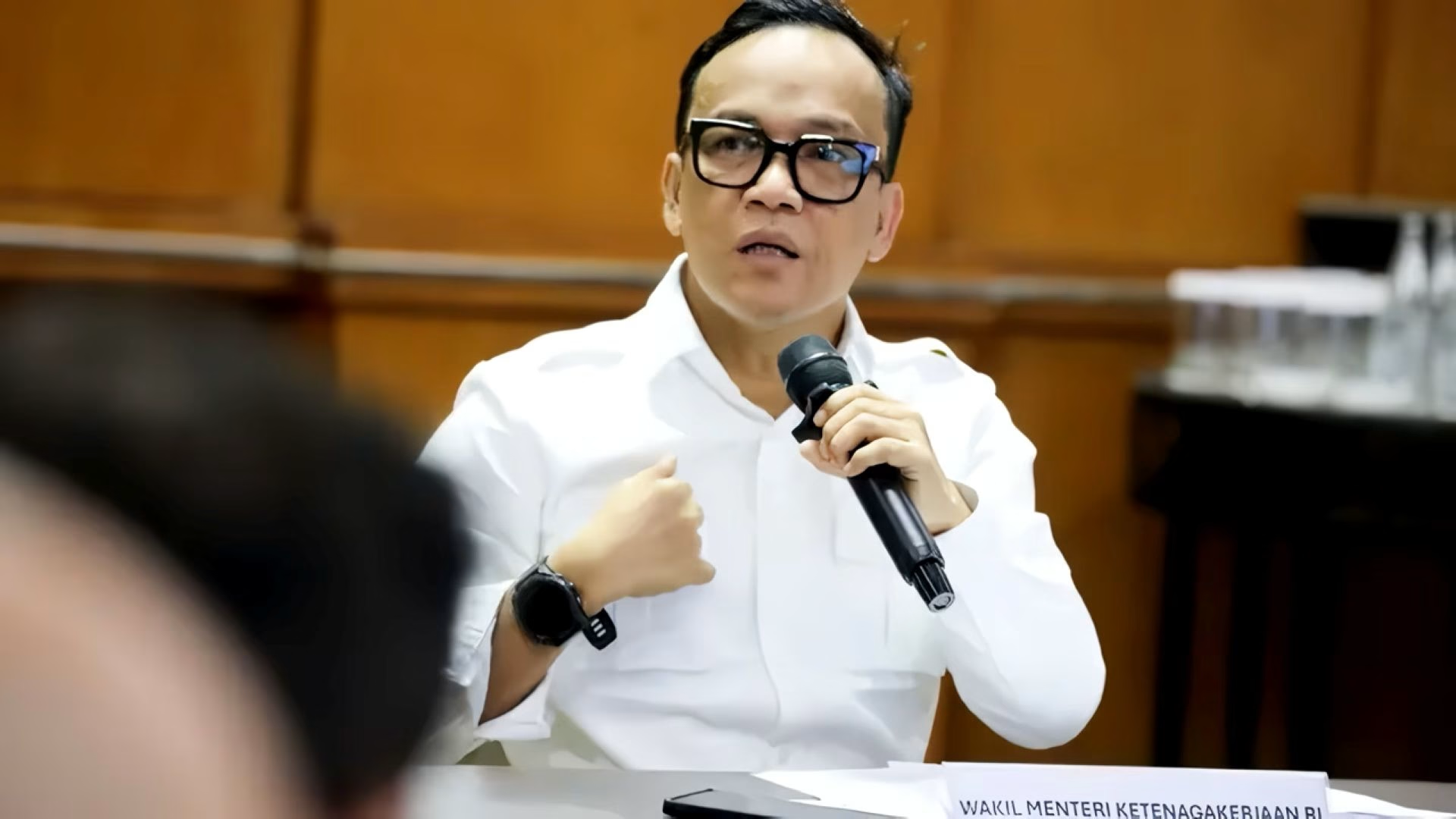

Disruptive Leadership — In a cramped factory on the outskirts of Depok, a viral moment was born. Indonesia’s Vice Minister of Manpower, Immanuel Ebenezer—known universally as Noel—stood among a group of shell-shocked workers, holding up pay slips that revealed a shocking truth: take-home pay of just Rp 50,000 (approximately $3.10) per week.
This August 2025 raid, captured on shaky smartphone footage, was not an isolated event. It has become the signature of a new, disruptive style of political leadership sweeping through Indonesia’s industrial heartlands. Noel’s model of surprise inspections—or sidak—is a calculated assault on the opaque world of labour practices, forcing a national conversation about poverty wages and corporate accountability. But the critical question remains: is this a sustainable reform strategy or merely populist theatre?
The “Noel Method”: Leadership by Surprise Inspection
Appointed in October 2024 to the Cabinet Merah Putih, Noel’s tenure as Vice Minister of Manpower is still fresh. Yet he has already established himself as one of the most visible and unconventional political figures in the administration. In contrast to his predecessors—often criticized for bureaucratic distance and an overreliance on paperwork—Noel governs on the factory floor.
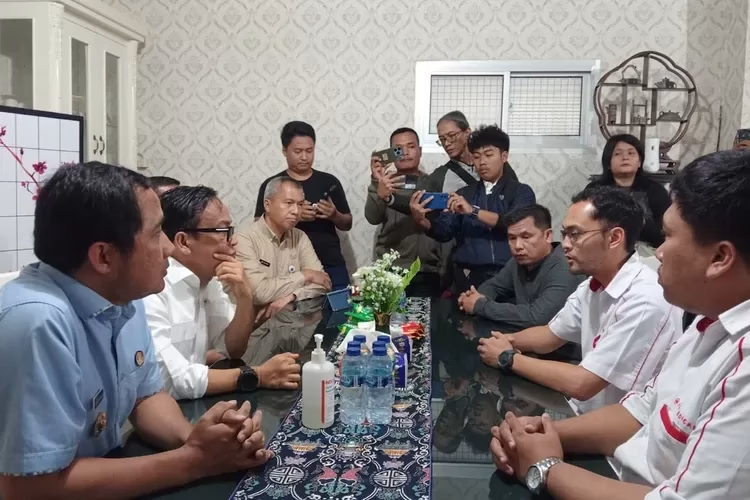
His method is consistent: arrive unannounced, listen to workers’ grievances on camera, and publicly pressure management for immediate answers on wages, contracts, and benefits.
This approach creates what governance experts call a “theatre of accountability.” For a global audience, particularly in Europe and North America, this public shaming is a potent signal. It directly addresses the growing demand for supply chain due diligence mandated by laws like the EU’s Corporate Sustainability Due Diligence Directive (CSDDD). For multinational brands sourcing from Indonesia, a minister’s viral video provides a stark, undeniable data point in their compliance audits—proof that a supplier is being scrutinized at the highest levels.
A Symptom of a Deeper Disease: Indonesia’s Systemic Wage Crisis
Noel’s raids resonate because they expose a rotten core. The Rp 50,000 weekly wage in Depok was not an outlier but a symptom of a pervasive crisis. Indonesia’s complex, decentralized minimum wage system, often negotiated at the regional level, creates a patchwork of standards that can leave workers impoverished. While the national government sets a formula, its implementation is weak, and enforcement historically lax.
Other endemic problems—long-term unpaid “internships,” contract stacking, and the withholding of educational certificates to bind workers—are issues Noel has also targeted. His surprise inspections bypass the climate of fear that silences many workers: the terror of retaliation and job loss for speaking out through sluggish, formal channels.
The Strengths of a Disruptive Model
Noel’s leadership style offers several undeniable advantages:
- Instant Escalation: It forces immediate attention onto “silent” violations that would otherwise languish in bureaucratic limbo.
- Psychological Impact: The threat of a ministerial visit and public shaming creates a powerful deterrent, factoring reputational risk into the cost of non-compliance.
- Building Public Trust: His visible presence builds rare public confidence in a government institution, making it a relatable actor for the average citizen.
The Inherent Risks and Critical Weaknesses
However, this model is fraught with fragility and potential pitfalls:
- The Populism Trap: The line between effective activism and mere populism is thin. Viral fame could prioritise media-friendly raids over the less glamorous, technical work of systemic reform.
- The Enforcement Gap: A raid is only as good as the enforcement that follows. The true test is whether these surprise inspections lead to measurable sanctions, back-pay settlements, and prosecuted cases. Without transparent follow-up, they risk becoming empty performances.
- Lack of Scale: One minister, no matter how energetic, cannot personally audit thousands of factories across the Indonesian archipelago. Unless institutionalised, the model remains unscalable.
- Data Precision vs. Viral Shock: The emotional impact of a Rp 50,000 wage is powerful, but sustainable reform requires precise data: exact numbers of affected workers, calculated back pay owed, and clear timelines for remediation.
The Global Stake: Why the World is Watching
For international partners, Noel’s campaign is more than domestic political theatre. Indonesia is a critical node in global supply chains, from textiles and electronics to electric vehicle batteries.
- In Europe, the CSDDD and Germany’s Supply Chain Due Diligence Act (LkSG) make parent companies legally responsible for abuses in their overseas suppliers. A minister’s inspection—if followed by corrective action—serves as documentary evidence in compliance files.
- In the United States, the Uyghur Forced Labor Prevention Act (UFLPA) has already forced companies to prove supply chain integrity. Indonesian factories linked to Noel’s reforms could become safer partners in the eyes of U.S. regulators.
- For global investors, evidence of proactive enforcement boosts Indonesia’s credibility as an ESG-conscious manufacturing hub, signalling a shift from a “cheap labour” narrative toward “responsible labor governance.”
In this context, Noel’s inspections are not just populist drama but part of a global compliance ecosystem.
Beyond the Spectacle: Toward Institutional Reform
Immanuel “Noel” Ebenezer is redefining political leadership in Indonesia. His hands-on, media-savvy inspections have given a voice to the voiceless and injected urgency into labour rights enforcement.
But his ultimate legacy will not be written in viral clips—it will be tested in outcomes. The sidak must evolve into a trigger for a robust, transparent, and scalable enforcement machine. It must be connected to judicial processes, data-driven remediation, and a long-overdue overhaul of Indonesia’s fragmented wage-setting system.
If Noel succeeds in institutionalising his disruptive model, Indonesia could become a case study for other emerging markets struggling to balance competitiveness with labour rights.
For now, Noel’s raids may be viral theatre. But if they evolve into systemic enforcement, Indonesia could offer the world a new blueprint: how disruptive leadership can turn a fragile wage system into a foundation for fair growth. – Giostanovlatto, Founder Bali Today
This article was written by Giostanovlatto, Founder and Editor of Bali Today, for London Daily News — and for every reader who seeks to understand Indonesia not only as a destination, but also as a nation shaping its global future.