
Summer can be an expensive time for families. Between days out, keeping children entertained, buying food on the go and coping with warmer weather, the little costs quickly begin to add up.
However, according to sustainability entrepreneur Julie Cook, many of the habits that save money during the summer also happen to be better for the environment.
Julie, founder of Eco Green Living, believes sustainable living should feel achievable rather than expensive or overwhelming.

Eco Green Living founder Julie Cook shares her sustainable summer money-saving advice.
She said: “People often assume that living more sustainably means replacing everything they own with expensive eco-friendly products. In reality, the best place to begin is usually by wasting less, using what you already have and thinking ahead.
“You don’t have to do everything perfectly. A few small changes across the summer can save a surprising amount of money while also reducing waste.”
Here are Julie’s five practical ways to save money and help the planet this summer.
1. Shop your kitchen before the supermarket
Before heading out to buy more food, check what is already hiding in your fridge, freezer and cupboards.
Make a list of anything that needs using soon and plan a few simple meals around those ingredients. Leftover vegetables can become pasta sauces, curries or soups, while overripe fruit can be frozen for smoothies or used in homemade ice lollies.
Julie said: “Food waste is essentially money being put straight into the bin. A quick ten-minute check of the kitchen before you shop can prevent duplicate purchases and often gives you the beginnings of several meals.”
During warmer weather, freezing food before it spoils is particularly important. Bread, fruit, cooked meals and many leftovers can all be frozen in suitable portions for another day.
2. Prepare for days out before leaving home
Buying drinks, snacks and lunches while out can easily turn an inexpensive family trip into a costly day.
Pack reusable bottles with tap water and prepare a picnic using food from home. Sandwiches, chopped fruit, homemade popcorn and snacks divided from larger packets are usually much cheaper than individual convenience products.
Keep a dedicated “day out bag” ready with water bottles, cutlery, containers, a picnic blanket and reusable shopping bags. This makes it easier to leave the house without buying everything again on the way.
“Planning ahead doesn’t mean removing all the fun,” Julie explained. “You can still budget for an ice cream or special treat, but you aren’t spending £30 before the day has really begun because everyone is hungry and thirsty.”
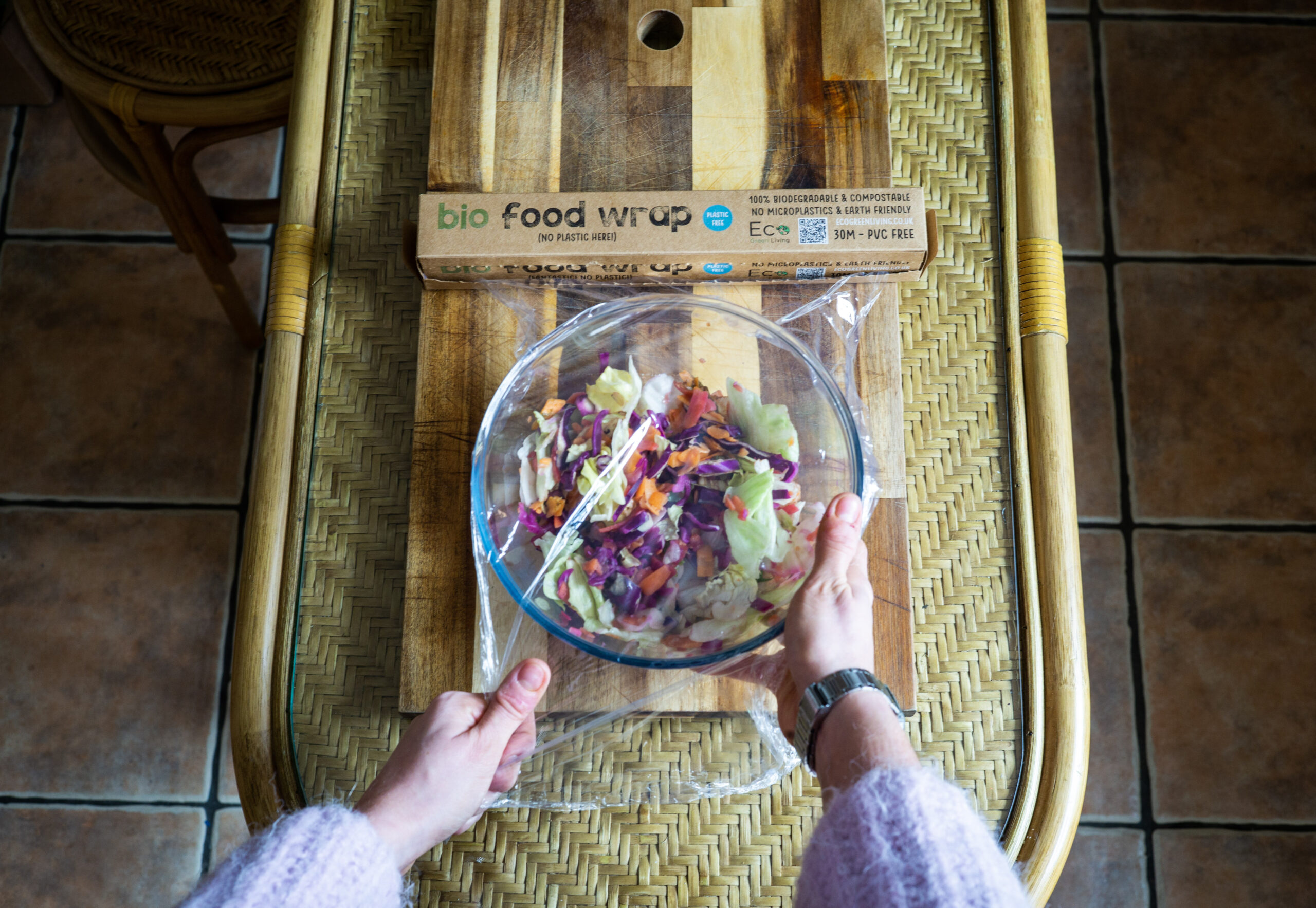
Food wrapped in cling film as one of the ways to save money this summer by reducing food waste
3. Use the warmer weather to reduce energy costs
Take advantage of summer’s natural heat and daylight wherever possible.
Dry washing outdoors instead of using a tumble dryer, wash clothes at a lower temperature and wait until you have a full load before switching the machine on.
Open windows during the cooler morning and evening hours, then close curtains or blinds on the sunniest side of the house during the hottest part of the day. This can help keep rooms comfortable without immediately reaching for an electric fan or air-conditioning unit.
Summer is also a good time to cook outside or prepare meals that require less energy, such as salads, wraps, sandwiches and cold pasta dishes.
4. Find free entertainment close to home
Children do not need an expensive attraction every day of the summer holidays.
Local parks, woodland walks, libraries, museums, community events and free activity trails can provide hours of entertainment without a large entry fee or long car journey.
Try creating a summer challenge that encourages children to explore what is around them. They could photograph different insects, spot local birds, create artwork using fallen natural materials or help grow herbs and salad leaves at home.
Julie said: “Some of the best summer memories cost very little. Children often enjoy having our time and attention far more than they enjoy being taken somewhere expensive.
“Exploring locally also reduces travel costs and helps children feel more connected to the natural world around them.”
5. Stop buying single-use convenience products
Summer often brings an increase in disposable plates, cutlery, bottles, food wraps and individually packaged snacks.
Before buying more, look at what can be reused from home. Ordinary plates and cutlery work perfectly well for garden meals, while existing tubs and jars can be used to store picnic food and leftovers.
Where disposable products are genuinely necessary, look for more responsible alternatives and only buy the quantity you will realistically use.
“Convenience has its place, especially for busy families, but single-use items can become an automatic purchase rather than a conscious one,” Julie said.
“Using what you already own will nearly always be the cheapest and most sustainable choice. When something does need replacing, that is the time to consider whether there is a longer-lasting or more environmentally responsible alternative.”
Small changes can make a meaningful difference
Julie believes families should not feel guilty if they cannot make every aspect of their summer perfectly sustainable.
She added: “The aim isn’t to create more pressure. It’s to notice where money and resources are being wasted and find a few changes that work for your household.
“If thousands of families waste a little less food, buy fewer disposable items and make better use of what they already have, the collective difference can be enormous. It helps the planet, but it also leaves more money available for the things families genuinely want to enjoy this summer.”
Julie Cook is the founder of Eco Green Living, a sustainable household brand helping families and businesses make more environmentally responsible everyday choices.