
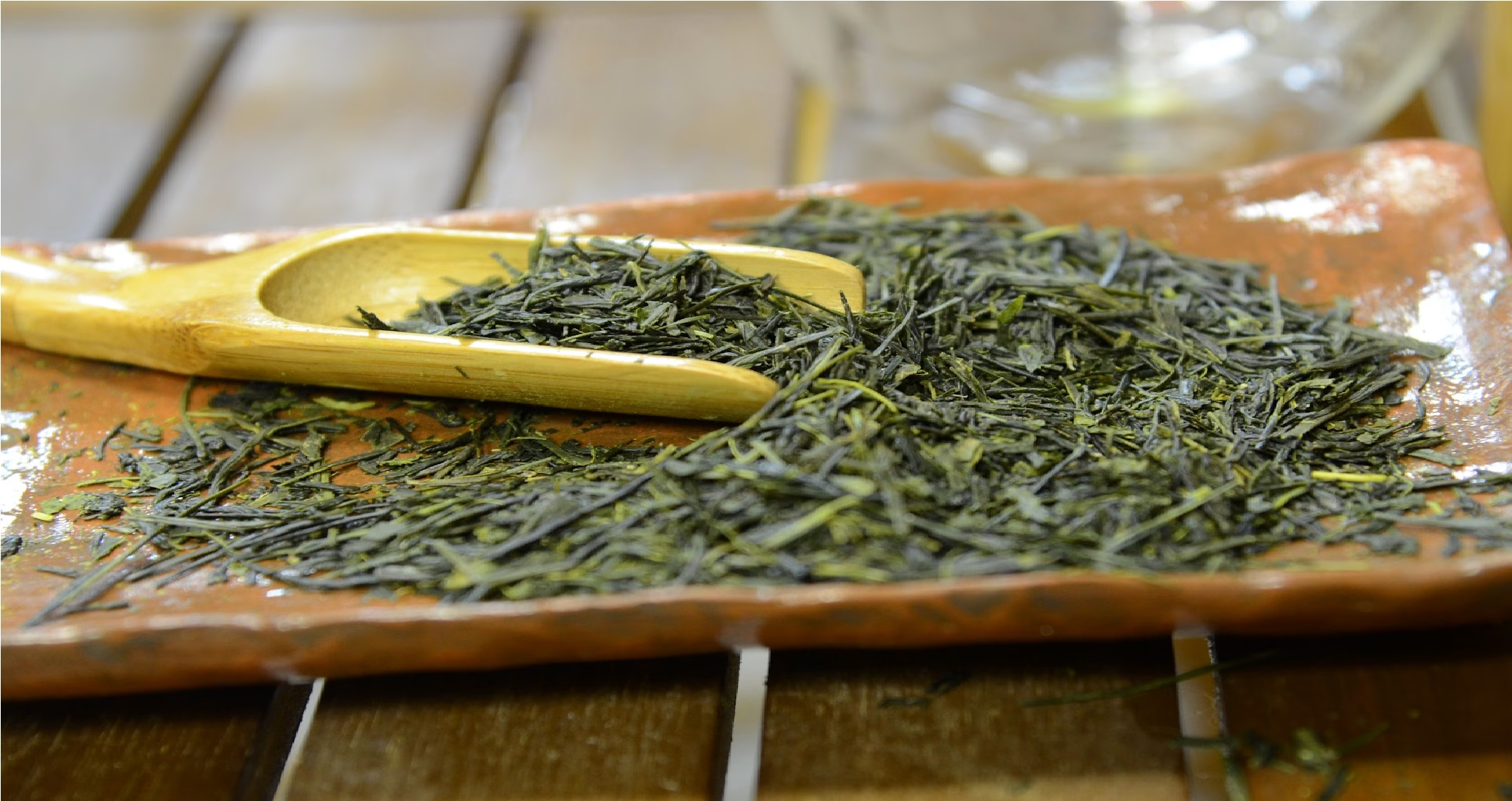

There is something timeless about the way a cup of tea connects people. Whether you drink it alone as a quiet ritual or share it with friends, tea has always been more than just a drink. It is culture, memory and comfort in a cup. Nowhere is this clearer than in Japan, where green teas like Sencha are not only everyday staples but also threads that tie together history, health and community.
For anyone who has wandered the narrow streets of Kyoto, tea is never far away. Small shops display glass jars of loose leaf sencha, each labelled with its region and harvest. Cafés serve delicate cups of pale green liquid that taste grassy, slightly sweet and full of life. The act of drinking tea in Japan is not about rushing. It is about slowing down, noticing flavours and respecting tradition, even if the setting is as simple as a family kitchen.
So how did this deeply local ritual travel so far? The story is one of cultural exchange. Over the past few decades, Japanese teas have quietly made their way into Western homes, not as exotic novelties but as daily habits. In the UK, where black tea has long been the national drink, people are increasingly reaching for green teas such as Sencha. They are drawn by the lighter taste, the gentle lift of caffeine and the health benefits that are well known but never overstated in Japan.
Jasmine Green Tea has taken a similar journey, though its roots lie in China rather than Japan. Fragrant and floral, it was once considered a luxury, the kind of tea you might only find in specialist Asian supermarkets. Today, it sits comfortably on British kitchen shelves, ready to be brewed in the morning or served after dinner. The appeal is obvious: a cup of jasmine tea feels like a small moment of luxury, balancing aroma with a soft, refreshing taste.
London, with its endless layers of culture, has become a natural home for these teas. Walk through markets in Shoreditch or stop at cafés in Soho, and you will see Sencha and Jasmine offered alongside flat whites and Earl Grey. The modern tea drinker is curious, willing to experiment and open to flavours that once seemed far away.
What makes this shift interesting is not just the change in taste, but the way tea bridges worlds. Drinking Sencha in London is not the same as drinking it in Kyoto, yet it carries a whisper of that experience. It reminds us that traditions can adapt without losing their essence. It is possible to enjoy a cup in a busy city office while still feeling a connection to centuries of Japanese craft.
Perhaps that is the quiet magic of tea. It travels well, crossing borders and languages without needing translation. A pot of Sencha or Jasmine Green Tea on a London table is more than just an imported flavour. It is a story of exchange, of traditions meeting and reshaping one another. And in the end, it is an invitation to pause, sip and share in something that feels both new and timeless.







