
London has always been a city of reinvention. It’s a place where artists, musicians, and creatives arrive with big dreams, get chewed up by the relentless pace of the capital, and then—if they’re lucky—emerge stronger, wiser, and occasionally with a half-decent album in the works. As a musician who once called London home, I know this all too well.
Growing up between Richmond, Twickenham, and later North Sheen, my years in London were spent balancing music, rowing on the Thames, and navigating the labyrinthine reality of making a career in the arts. I studied at St Mary’s University, Twickenham, spent early mornings training with Putney Town Rowing Club, and poured every spare moment into music—writing, composing, performing—until London, in all its unforgiving intensity, pushed me to a crossroads.
The grind of the city is legendary. London teaches you to be tough, but it also tests your resilience. My first encounters with the music industry were not the romanticized dreams of record deals and sold-out venues but rather a relentless cycle of unpaid gigs, last-minute cancellations, and the existential dread of balancing passion with rent. Like many creatives, I questioned whether it was worth it.
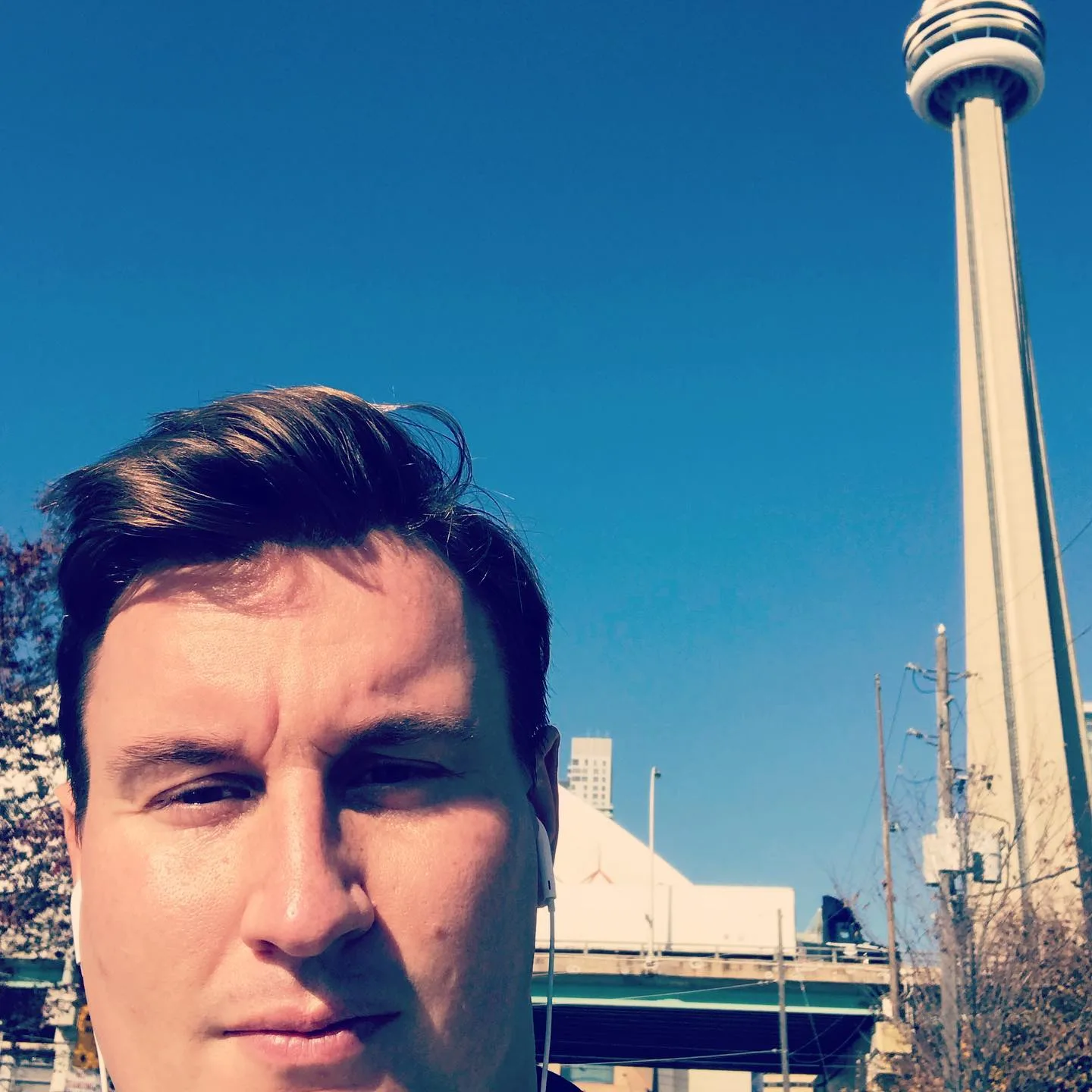
Then came Toronto—a leap into the unknown, an escape from the pressures of a city that both shaped me and drained me. Canada offered something I hadn’t realized I needed: space, both physically and mentally, to create. Here, I found not only artistic inspiration but also a deep appreciation for community-driven music scenes. Unlike London, where the sheer density of talent often makes it easy to feel invisible, Toronto’s music industry operates on a sense of collective support, a lifeline for independent artists like myself.
As an LGBT musician, representation has always been at the forefront of my work. London’s music scene is undeniably diverse, yet queer musicians often find themselves on the periphery of mainstream recognition. In Toronto, I have been able to amplify those conversations, advocating for more visibility in the industry through initiatives like the OUTLINE Awards—a new platform I founded to support LGBTQ+ musicians in Ontario. Yet, despite the opportunities abroad, London remains the heart of my musical identity. It’s in the sounds of the city, the eclectic energy, and the unwavering grit of the artists who make it their home.
Advocacy and the Power of Visibility
Music is a platform, and for LGBTQ+ artists, it’s one of the most powerful tools of advocacy. Visibility matters, especially in an industry that has historically sidelined queer voices in favour of a more palatable mainstream image. There’s been progress—artists like Olly Alexander, Sam Smith, and Christine and the Queens have paved the way for more overtly queer storytelling in music—but there’s still a long way to go.
Through my work in Toronto, I’ve had the opportunity to connect with other LGBTQ+ artists who share the same struggles I once faced in London. There’s something profoundly important about seeing yourself reflected in the industry, whether that’s through representation in festivals, mentorship programs, or simply having a community that understands the nuances of being queer in music. The OUTLINE Awards were born out of this necessity—a way to uplift LGBTQ+ musicians who might otherwise be overlooked.
But advocacy goes beyond just representation. It’s about actively creating opportunities, challenging industry gatekeepers, and ensuring that LGBTQ+ musicians aren’t just included as an afterthought. It means fighting for fair pay, demanding safer spaces at venues, and calling out tokenism when we see it. It’s a battle that requires persistence, and it’s one I’m committed to for the long haul.
Rowing, Resilience, and the Pursuit of Excellence
Before music took over my life, rowing was my other great love. There’s something poetic about the sport—a brutal yet beautiful test of endurance, teamwork, and sheer willpower. Rowing on the Thames was one of the most formative experiences of my life. The early mornings, the blisters, the relentless pursuit of perfection—these were all lessons in discipline that I carried into my music career.
Rowing is, in many ways, the perfect metaphor for resilience. The river doesn’t care about your excuses; it demands consistency, effort, and the ability to push past exhaustion. That mentality shaped me as an artist. Just as in rowing, where every stroke must be executed with precision and power, music requires a similar dedication to craft. Success doesn’t come from talent alone—it’s about the work you put in, the setbacks you overcome, and the unwavering belief that, despite everything, you’ll get there.
One of the things I miss most about London is the rowing culture. The camaraderie, the thrill of race days on the Thames, the sense of belonging within a team—it’s something that stays with you long after you’ve left the water. In Toronto, I found a different kind of community, one built around music and advocacy rather than sport, but the lessons of rowing continue to guide me in unexpected ways.

London vs. Toronto: A Tale of Two Cities
London and Toronto may be worlds apart, but for me, they represent two sides of the same coin. London is where I built my resilience, where I learned to navigate the harsh realities of the music industry, and where I first found my voice as an artist. Toronto, on the other hand, gave me the space to refine that voice, to advocate for my community, and to build something meaningful beyond just my own career.
There are days when I miss the chaos of London—the rush of the Underground, the eclectic energy of Soho, the creative pulse that runs through every corner of the city. But I also appreciate the quieter strength of Toronto, the way it nurtures artists rather than forcing them to fight for every scrap of opportunity.
For any LGBTQ+ artist trying to carve out a place in the industry, my advice is simple: find your community, stand firm in your identity, and never underestimate the power of resilience. Whether in London, Toronto, or anywhere in between, the fight for visibility and equality in music is ongoing, but with persistence, creativity, and a refusal to back down, we can keep pushing the boundaries of what’s possible.
And maybe—just maybe—one day, London won’t feel quite so impossible after all.
Credit for article Alexander Paul Burton