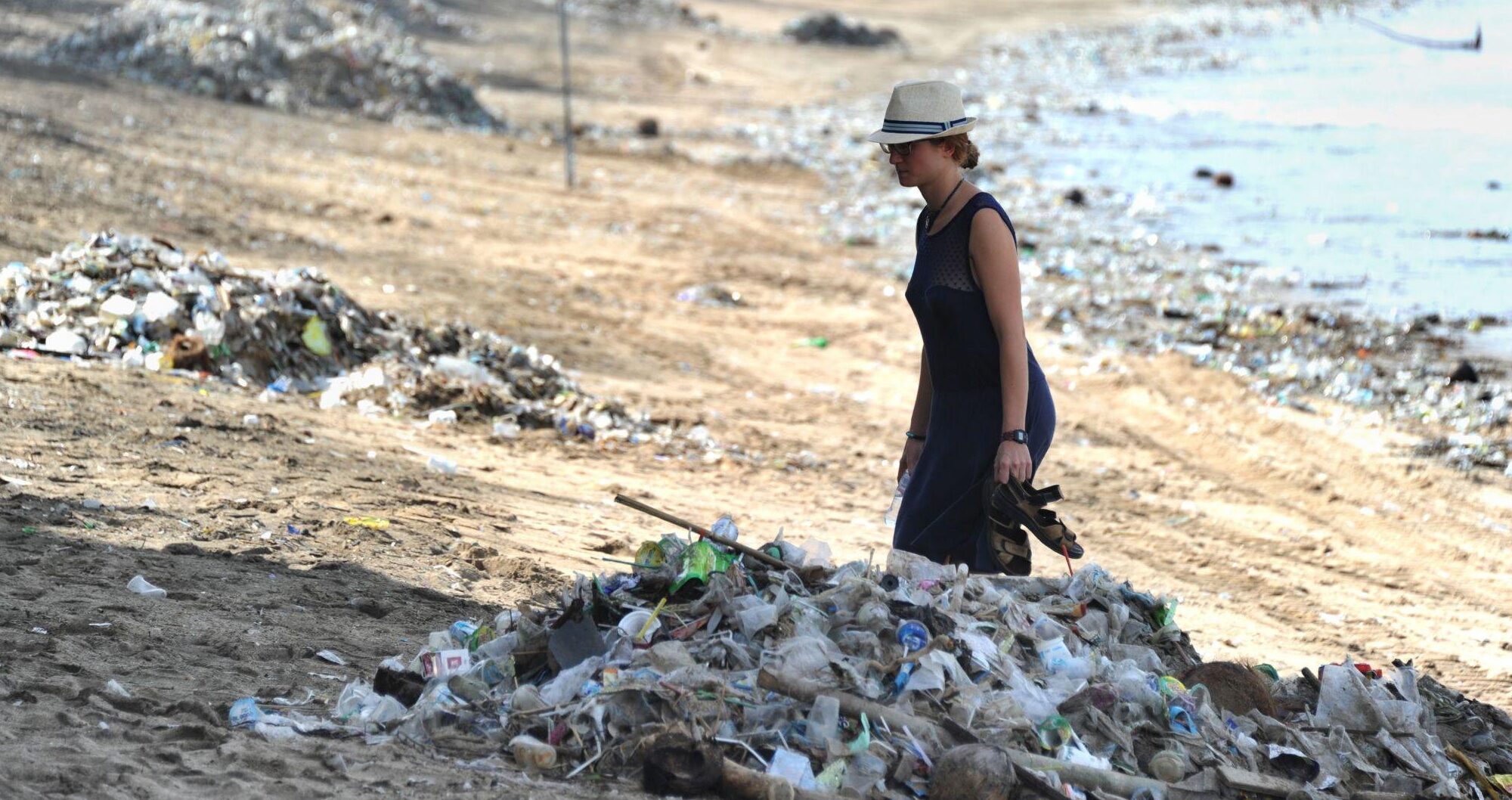

Bali’s waste crisis has entered a critical phase following the closure of its main landfill, raising urgent questions about environmental capacity, governance, and who ultimately benefits from the island’s rapid development.
Long defined by its image as a tropical paradise, Bali is now confronting a growing environmental strain that is becoming harder to ignore.
The recent closure of the island’s main landfill, TPA Suwung, has exposed a deeper structural problem: a waste management system struggling to keep pace with rapid development, population growth, and the sustained pressure of global tourism.
For years, Bali’s waste challenges have been visible in seasonal surges of plastic along its beaches and mounting volumes of unmanaged refuse inland. But the shutdown of its primary disposal site has shifted the issue from chronic concern to immediate urgency.
Without a central landfill, local authorities and communities now face a fragmented system where collection, processing, and disposal are increasingly strained. The risk is no longer confined to environmental degradation. It extends to public health, local economies, and Bali’s standing as one of the world’s most visited destinations.
A System Under Pressure
Bali’s economy has long relied on tourism, drawing millions of visitors annually. Alongside that growth has come a parallel rise in waste generation — much of it plastic and non-organic material requiring structured processing systems.
Yet capacity has lagged behind demand.
The closure of TPA Suwung is widely seen not as an isolated policy decision, but as a signal of accumulated pressure — where existing systems can no longer absorb the volume produced.
In the absence of immediate large-scale alternatives, waste risks being redistributed rather than resolved: diverted to smaller sites, informal dumping areas, or, in some cases, the natural environment.
A Question Beyond Waste
As Bali navigates this transition, the conversation is beginning to shift.
Beyond operational challenges, a more complex narrative is emerging — one that links environmental policy with the island’s evolving investment landscape.
Several observers and local voices have raised questions about whether the closure of TPA Suwung may also intersect with growing pressure from high-value tourism and property developments in surrounding areas.
In particular, concerns have circulated that the presence of a major landfill — located near strategic coastal and urban zones — has long been seen as incompatible with premium real estate and international investment interests.
While no official link has been established, the perception itself is gaining traction: that environmental infrastructure, such as landfills, may increasingly be viewed as obstacles within a rapidly transforming tourism economy.
This raises a broader and more difficult question — whether decisions around waste management are being shaped solely by environmental necessity, or also by the priorities of capital and land value.
Civil Society Responds
Amid growing concern, civil society groups are beginning to step in.
The Ikatan Wartawan Online Bali (Bali Online Journalists Association) is preparing to host a public discussion on May 16, 2026, under the theme:
“Behind the Closure of Suwung Landfill: Who Benefits?”
The forum will bring together government representatives and environmental advocates to examine the implications of the landfill closure and explore possible solutions.
According to Tri Widiyanti, Chair of IWO Bali, the current situation reflects a deeper structural imbalance.
“What we are facing is not simply a waste issue, but a systemic imbalance between growth and environmental capacity. When a primary landfill is closed without a fully prepared alternative, the pressure does not disappear — it shifts, often to communities and ecosystems that are least equipped to handle it.”
She added that the upcoming discussion is intended to address not only technical solutions, but also underlying questions of accountability.
“This forum is not just about managing waste. It is about asking a fundamental question — who benefits from these decisions, and who bears the consequences? We want to create a space where this can be discussed openly, based on facts, responsibility, and the public interest.”
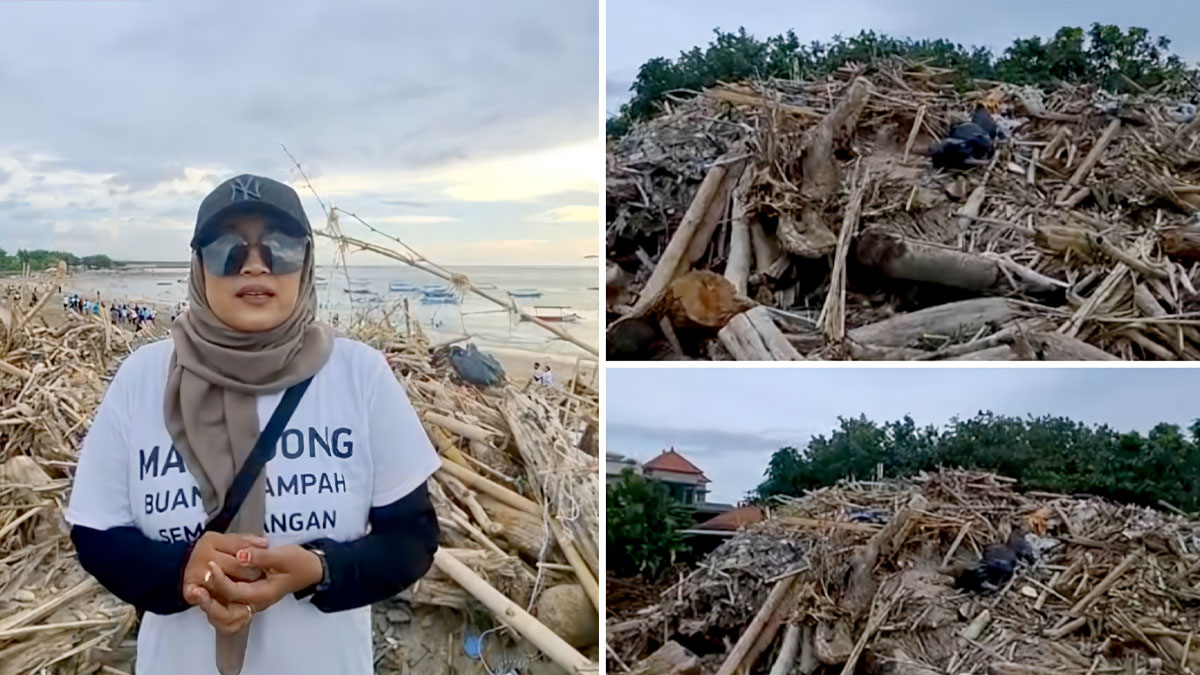
Tri Widiyanti, Chair of IWO Bali
Beyond the Image of Paradise
Bali’s global identity has long been tied to its natural beauty and cultural richness. But as environmental pressures mount, that image is increasingly being tested by on-the-ground realities.
The island now finds itself at a crossroads — where environmental limits, economic ambitions, and public accountability are beginning to intersect.
The question is no longer whether Bali can continue to grow.
But how — and at whose cost.
Written by Giostanovlatto, Founder of Hey Bali News, for London Daily News — focusing on honest reporting on investment, environmental, and tourism dynamics in Bali.