
Guests rarely notice good audiovisual technology, but they notice bad AV immediately. A muddy sound system in a restaurant, a laggy screen in a meeting room, background music that cuts out mid-service: all of it shapes how a venue is remembered. For hotels in particular, projects such as Excite Technology’s hotel AV installations show how much of the guest experience now depends on technology working quietly in the background.
Across London’s hospitality sector, AV has moved from an afterthought to a genuine part of the business plan.
Hotels have several audiences at once
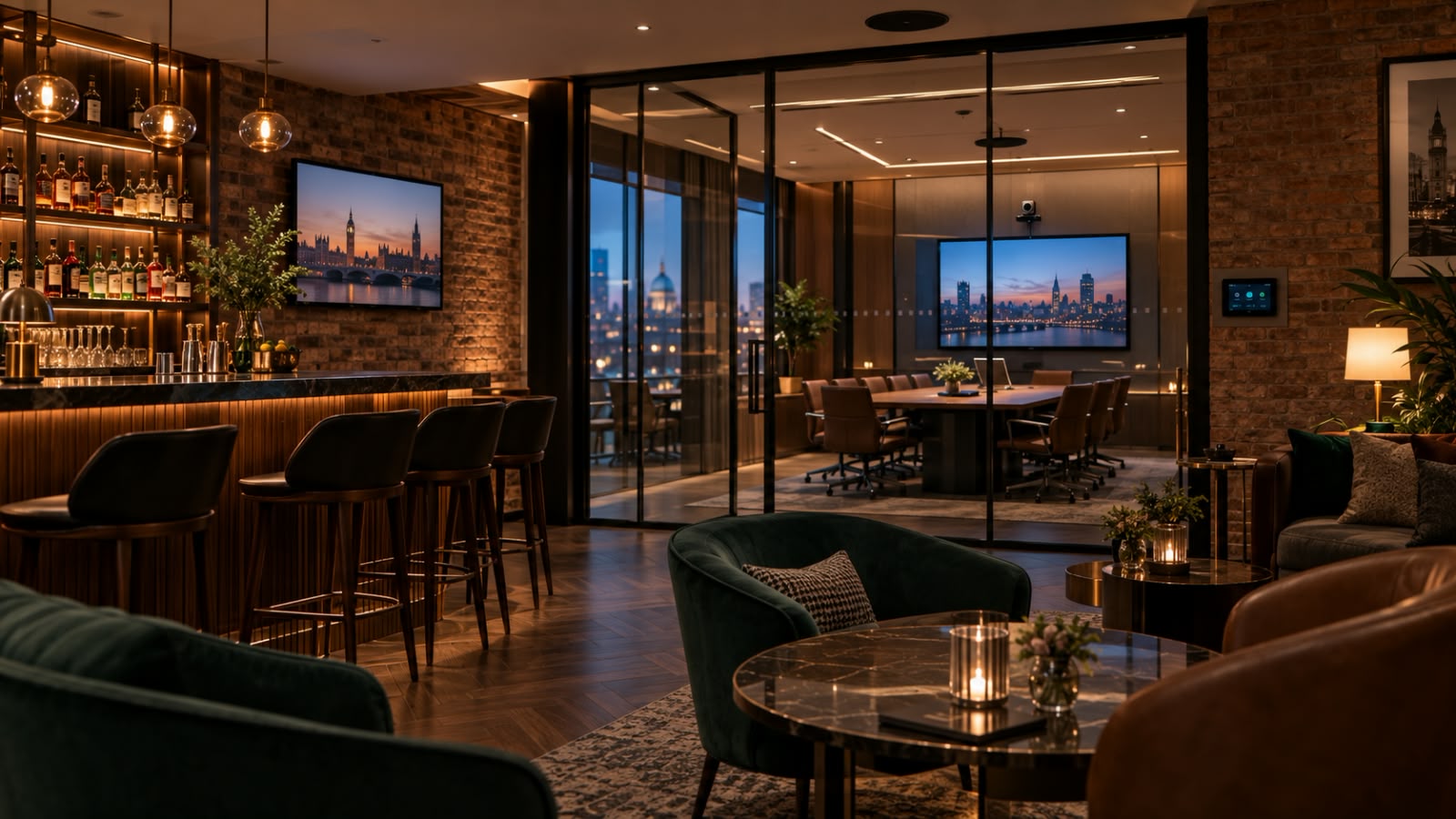
A hotel isn’t one space. It’s a lobby that needs ambient sound, a bar that needs atmosphere, function rooms that need presentation technology, and a restaurant that needs its own audio zone. Each has different acoustic conditions and different expectations, and a single generic system rarely serves all of them well.
Zoned audio is now close to standard in well-designed hotels, letting different areas run independently without sound bleeding awkwardly between them. Staff can lower the volume in the lobby late at night while the bar keeps its atmosphere, all from a simple wall panel or tablet.
Meeting and conference space is a revenue line
Many hotels earn a significant share of their income from corporate events, which makes meeting room technology a commercial decision rather than a facilities one. Clients expect reliable video conferencing, clear audio and simple screen sharing, and a room that fails on any of these can lose repeat bookings quickly.
Hybrid meetings have raised the bar further, because rooms now have to serve remote attendees as well as those physically present. Ceiling microphones, cameras that follow the active speaker, and one-touch meeting controls are becoming the norm, and specialist work such as Excite Technology’s conference room installations reflects how much planning now goes into getting these spaces right.
Restaurants have different priorities
Restaurants face a different challenge. The goal isn’t presentation technology but atmosphere: music at the right level, evenly distributed, without forcing diners to raise their voices to be heard. Poor speaker placement or badly tuned audio can undermine an otherwise excellent dining experience.
Hard surfaces such as glass, tiles and exposed brick, which are popular in London restaurant design, make this harder because they reflect sound. More speakers at lower volume usually work better than a few loud ones, and acoustic panels can make a noticeable difference in busy rooms. Anyone weighing this up for a restaurant will find it useful to read a guide on how to choose the right AV system in a restaurant, which covers what actually matters when specifying a system for a dining space.
Planning it in, not adding it on
Across all these venues, the common mistake is treating AV as something to sort out once the fit-out is finished. Cabling, speaker positions and screen locations are far cheaper to plan into a build than to retrofit afterwards, and early specialist input avoids costly compromises.
Practical points for venue owners
For operators planning a new venue or a refurbishment, a few questions help shape the brief:
- How many zones do you need? List every area that needs its own sound level or content, from the lobby to the terrace.
- Who will use the system day to day? Controls should be simple enough for any member of staff to use without training.
- What will clients bring into meeting rooms? Make sure screen sharing works with common laptops and video platforms.
- Is there a support plan? A system that fails on a Friday night needs a fast fix, so ask about maintenance and response times.
- Can it grow with the venue? A scalable system avoids replacing everything when a new space is added.
The bottom line
For London hotels, restaurants and event spaces, AV is now part of the product guests are paying for. Getting it right from the start protects both the guest experience and the bottom line.