
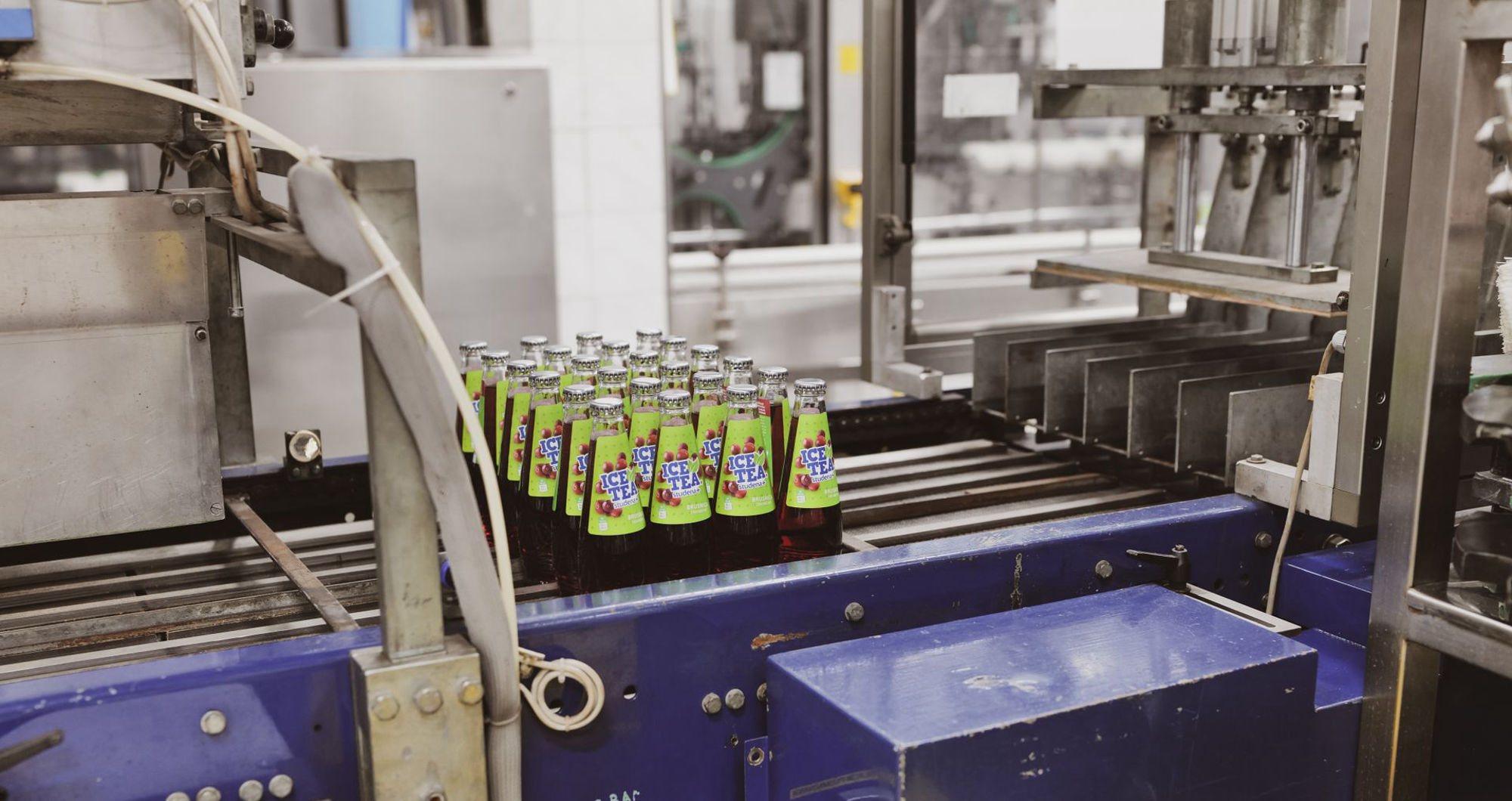

Walk through a modern food factory, and you will see products moving through several carefully planned stages before they reach a store. Snacks are sealed in bags, beverages are filled into bottles, and prepared foods are placed into containers. Each product needs suitable packaging to maintain its condition during storage, handling, and transportation.
For food and beverage manufacturers, packaging also involves important hygiene and product safety responsibilities. Equipment must suit the products being handled, and the process must help prevent contamination. A properly designed Robotic Packaging Line can connect automated handling, inspection, case packing, and palletising while supporting an organised packaging environment.
However, automation alone does not make food safe. Its value depends on choosing suitable machinery, maintaining hygienic conditions, and creating procedures that match the products being packaged.
Why Food Packaging Requires Special Attention
Food packaging is different from many other manufacturing activities because products may be sensitive to moisture, temperature, contamination, and physical damage.
A factory producing dry snacks faces different challenges from a business packaging refrigerated dairy products. Both need reliable equipment, but their cleaning procedures, packaging materials, and operating environments may differ considerably.
Food manufacturers must also consider the requirements of the markets where their products are sold. Applicable food safety regulations can influence equipment design, sanitation procedures, and quality checks.
Understanding these needs before selecting machinery helps businesses develop packaging operations that are practical for their particular products.
Understanding Primary and Secondary Food Packaging
Before planning automation, manufacturers should distinguish between two important packaging stages.
Primary packaging is the material that directly contains the food. Examples include a pouch holding biscuits, a bottle containing juice, or a tray sealed around prepared food.
Secondary packaging groups those finished packs for handling, storage, or delivery. This may involve placing several pouches into a carton or arranging beverage bottles inside a shipping case.
Robotic equipment can support activities at different stages, depending on the system design.
For example, a robot might handle sealed snack bags before case packing. Another system may arrange completed beverage cartons for palletising.
Each application requires different handling methods and hygiene considerations.
Designing Equipment for Hygienic Production Areas
Food packaging machinery must be suitable for its intended environment. Equipment used near exposed food may require different materials, surfaces, and cleaning arrangements from machinery handling closed shipping cartons.
Where equipment contacts food, hygienic design is particularly important. Applicable requirements may include cleanable construction, suitable food-contact materials, and features that reduce places where residue can accumulate.
Manufacturers should also examine how easily employees can access areas requiring routine cleaning.
Important considerations include:
- Surface materials: Materials must suit the product and intended cleaning methods.
- Equipment accessibility: Areas requiring sanitation should be accessible through approved procedures.
- Contamination prevention: Machinery layout should help control relevant contamination risks.
- Cleaning compatibility: Components must tolerate the cleaning processes for which they are designed.
Food-grade or washdown suitability should always be confirmed for the specific equipment.
Why Wet and Dry Packaging Environments Differ
Not every food factory should clean its equipment in the same way.
A dry snack packaging area may need carefully controlled dry-cleaning practices to prevent unwanted moisture. By contrast, some beverage or wet-processing environments may require equipment designed for appropriate washing and sanitation.
Using water on machinery that is not designed for washdown can damage electrical components, bearings, or other parts. It may also introduce unnecessary moisture into a dry production environment.
Manufacturers should discuss their cleaning methods before purchasing automated equipment. The design should match the working environment rather than requiring employees to improvise unsuitable cleaning procedures.
Handling Different Food Packaging Formats
Food products appear in many shapes and packaging materials. Soft snack pouches, rigid plastic tubs, glass jars, and sealed trays do not respond to mechanical handling in the same way.
Robotic systems can use suitable gripping tools to move products between stations.
For example, a vacuum gripper may work well with some sealed packages, while a mechanical or support-based tool may be more appropriate for other containers.
Manufacturers should evaluate several characteristics:
- Product weight and dimensions.
- Packaging material and surface condition.
- Whether containers must remain upright.
- Areas where pressure could affect the packaging.
Testing real products helps determine whether the proposed handling method is suitable during normal operation.
Protecting the Quality of Sealed Food Packages
A food package must do more than look attractive. Its seal may play an important role in protecting the contents from outside conditions.
When sealed products are moved through packaging machinery, unnecessary pressure or poor positioning can affect their condition. Flexible packs may be particularly sensitive around seams and corners.
Automated equipment should therefore handle products in ways appropriate to their packaging design.
Inspection systems may also support checks for certain visible defects or positioning problems. However, a camera cannot automatically confirm every aspect of seal integrity or food safety.
Where seal performance is important, manufacturers need suitable validated inspection or testing methods and defined procedures for handling rejected packages.
Managing Allergens During Packaging Operations
Food allergens create another consideration for factories handling multiple products.
A manufacturer may package products containing milk, nuts, soy, or other allergens on equipment also used for different recipes. Depending on the operation, residue or incorrect packaging materials can create cross-contact or labelling risks.
Automation does not remove the need for allergen controls.
Facilities should follow their established allergen management procedures, including suitable cleaning, material identification, and checks when changing products.
Packaging employees also need clear instructions about which labels and materials belong to each production run.
Where relevant, automated inspection may help detect certain incorrect packages or labels, but these systems must be properly configured and verified.
Coordinating Packaging With Filling and Sealing Equipment
An automated food packaging operation often includes machinery supplied by different manufacturers.
One machine fills containers, another seals them, and another prepares finished products for cartons. For reliable operation, these stations must exchange products at suitable intervals.
If sealed containers arrive too quickly, they may accumulate on a conveyor. If a downstream machine stops, upstream equipment may need to slow down or pause according to the system design.
Sensors, conveyors, and coordinated controls can help manage these movements.
The objective is to maintain a controlled process that respects equipment limitations and product handling requirements, rather than simply operating every machine at maximum speed.
Keeping Product Movement Organised
Food packaging facilities often handle large numbers of small products. Without carefully planned movement, items can collect near transfer points or become incorrectly positioned.
For example, snack bags may overlap on a conveyor, while lightweight beverage containers can become unstable during transfers.
Product guides, suitable conveyors, and correctly configured robotic picking systems can help maintain orderly movement.
Factories should also plan what happens when a product falls, becomes damaged, or enters the wrong area.
Clear procedures for removing affected items are important, particularly where contamination risks exist.
An organised product flow supports everyday operations and makes it easier for staff to identify unusual conditions.
Building Cleaning Time Into Production Planning
Sanitation should not be treated as an unexpected interruption. For food manufacturers, necessary cleaning is part of the production process.
A packaging schedule should account for required cleaning, inspections, and checks before equipment returns to operation.
The time needed depends on the product, equipment, contamination risks, and cleaning method.
Some systems may require components to be removed for approved cleaning procedures. Others may have accessible areas designed to simplify routine sanitation.
Manufacturers should understand these requirements before installation.
A realistic cleaning schedule helps employees carry out necessary hygiene tasks without pressure to skip essential steps.
Training Employees for Food Packaging Automation
Introducing robotic technology changes the responsibilities of packaging employees.
Workers may need to monitor control panels, replenish approved packaging materials, observe product movement, and report unusual operating conditions.
In food manufacturing, training must also cover hygiene practices relevant to each employee’s duties.
Operators should understand when equipment needs cleaning, how to identify questionable packaging, and who has authority to restart a stopped machine.
Only appropriately trained and authorised personnel should perform hazardous maintenance or enter restricted machine areas.
Automation can reduce some repetitive activities, but employees remain essential to maintaining quality and safe production practices.
Selecting Equipment for Specific Food Applications
A suitable packaging system begins with accurate information about the product and factory environment.
Manufacturers should explain whether they are handling dry foods, sealed beverages, refrigerated products, or other packaging formats. They should also describe the cleaning methods, expected production volumes, and existing machinery.
When evaluating a Robotic Packaging Line, businesses can explore how product feeding, robotic picking, inspection, case packing, and palletising may be combined for their requirements.
It is important to confirm which equipment features are included in the proposed configuration.
Any special hygienic construction, washdown capability, or food-contact suitability should be explicitly verified rather than assumed.
Feature image by Pexels







