
ICG has committed £700,000 to the fifth season of its Million Meals initiative, setting a target of supporting the delivery of two million meals and adding a new London partnership with Cook for Good. The programme will also fund expanded refrigeration capacity at City Harvest London, putting food-distribution infrastructure alongside direct meal support.
Funding and target are commitments, not a tally
The two-million figure is the campaign’s goal for its fifth year, not a count of meals already delivered. ICG says the £700,000 is a record funding level for the initiative. The company describes its cumulative results since the campaign began in 2022 as nearly five million meals and more than £2.3 million in funding for partner charities worldwide. Those are historical figures supplied by ICG; the new season’s target should be assessed separately from that past total.
The distinction matters because the announcement combines several kinds of support. Some funding is intended for direct meal provision, while some will strengthen the organisations and systems that move surplus food to community groups. The release does not break down how much of the £700,000 is allocated to each partner or provide an individual London allocation, so the full campaign total should not be read as a sum earmarked exclusively for the capital.
More cold storage for a London food-rescue network
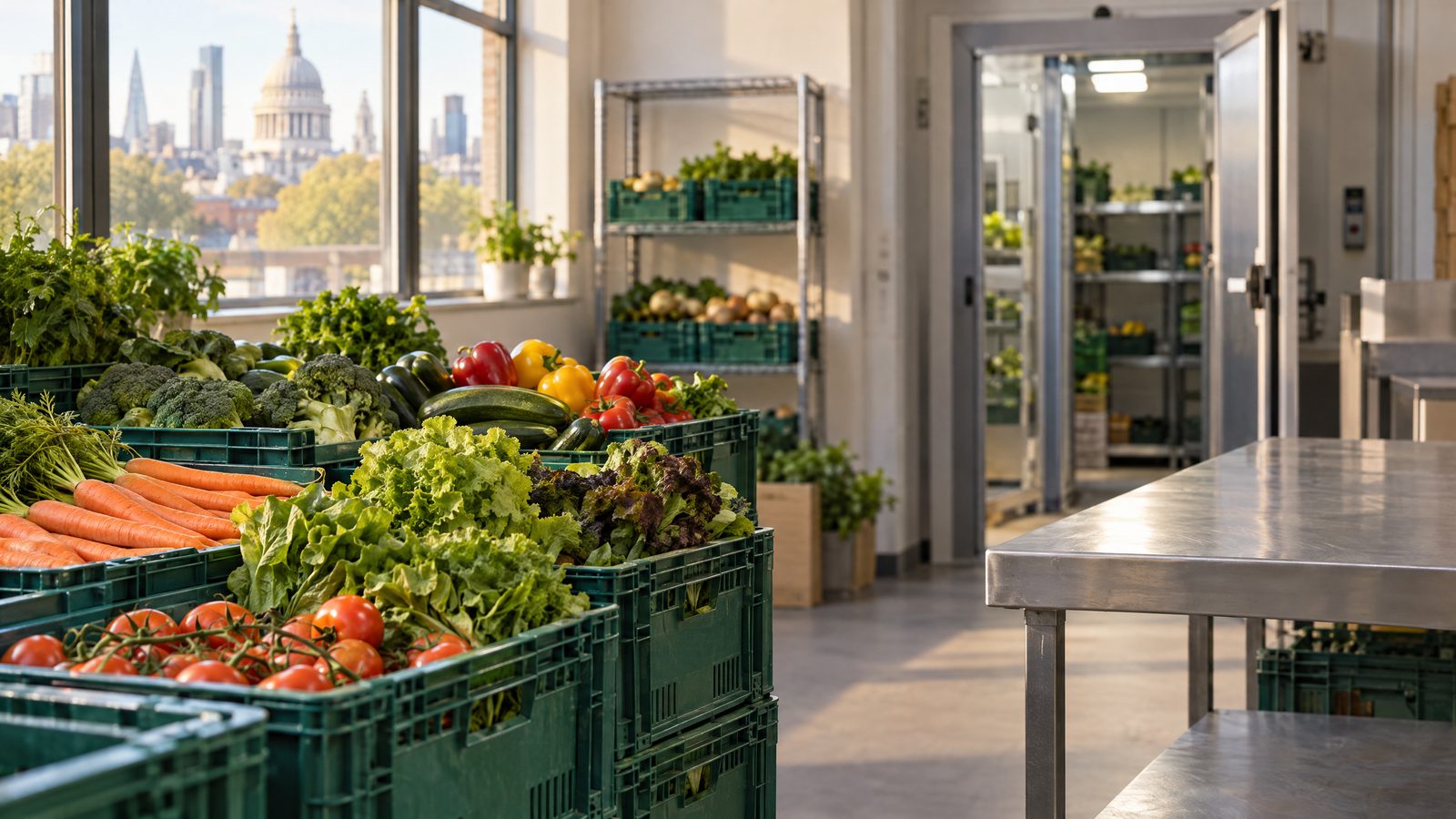
City Harvest London is a returning partner. ICG says its fifth-season contribution will support expanded refrigeration capacity, responding to growing need across London. Cold storage can help a food-rescue operation handle perishable stock between collection, sorting and onward delivery, but no new warehouse size, equipment specification, timetable or additional meal capacity was stated. The announcement describes an investment plan, not completed construction or a measured increase in food distributed.
City Harvest says it rescues surplus food and distributes it free to a network of more than 350 community partners. Its network includes food banks, shelters and other local services. The charity says it rescues more than 120 tonnes of surplus food each week and provides 1.2 million meals per month through those partners. These figures give a sense of the existing operating scale; they do not quantify what the ICG-funded refrigeration expansion will add.
Food rescue links two pressures: edible surplus that might otherwise go unused and households or community organisations seeking food support. Perishable items require careful handling and timely movement, which makes storage and logistics part of the practical capacity of a distribution charity. But additional refrigeration alone does not establish how much food will be sourced, how many organisations will receive it or how many people will be reached. Those outcomes depend on later delivery and reporting.
A new partner focused on community cooking
Cook for Good, based on a housing estate in King’s Cross, is one of two new partnerships named for the fifth season; the other is Grassroots Grocery in New York. Cook for Good combines free cooking classes, community meals, training and work experience with a surplus-food pantry. Its programme also includes Cook for Change, a six-month course for food-based community leaders and entrepreneurs seeking to build sustainable social enterprises.
The partnership broadens the London strand beyond food distribution alone. Cooking sessions and shared meals can provide practical skills and a community setting, while the pantry makes surplus food available locally. The announcement does not specify how much money Cook for Good will receive, how many classes or meals will be funded, or which King’s Cross residents will be eligible. It is therefore too early to describe the collaboration as a quantified service expansion.
International campaign, local delivery
ICG says the programme will renew ties with seven existing organisations and add Cook for Good and Grassroots Grocery. Other named partners span the UK, New York, Sydney, Singapore, Hong Kong, Luxembourg and a European food-bank network. Alongside grants, the firm says it will offer volunteer opportunities to its nearly 700 employees; nearly 30 per cent volunteered with a Million Meals partner last year, according to the company.
The fifth season’s eventual performance will depend on what partners can deliver and what is counted as a meal across different programmes. The announcement sets an ambitious target and identifies specific infrastructure and community partners, but gives no schedule for interim results. The clearest measures to watch are whether the promised refrigeration capacity is installed, how the London partnerships use their support, and whether a final season report records meals delivered rather than only funding pledged.