
The International Monetary Fund’s staff mission has raised its growth forecast for South Korea to 3.9% for 2026, as record semiconductor exports and investment linked to artificial intelligence strengthen the economic outlook. The brighter projection comes with a warning that the gains are not yet being shared evenly across the country.
The revised forecast is 0.6 percentage points above the 3.3% projection published in October. Growth of 3.3% is projected for 2027. Both figures concern expected expansion in real gross domestic product, rather than economic growth already achieved.
The team completed discussions for South Korea’s annual Article IV consultation on 17 November, following a visit that began on 3 November. It met government officials, the Bank of Korea, other public institutions and private-sector representatives.
These are preliminary staff findings, not a completed decision by the IMF’s Executive Board. A report will be prepared for the board, with discussion tentatively scheduled for January 2027.
Technology gains remain uneven
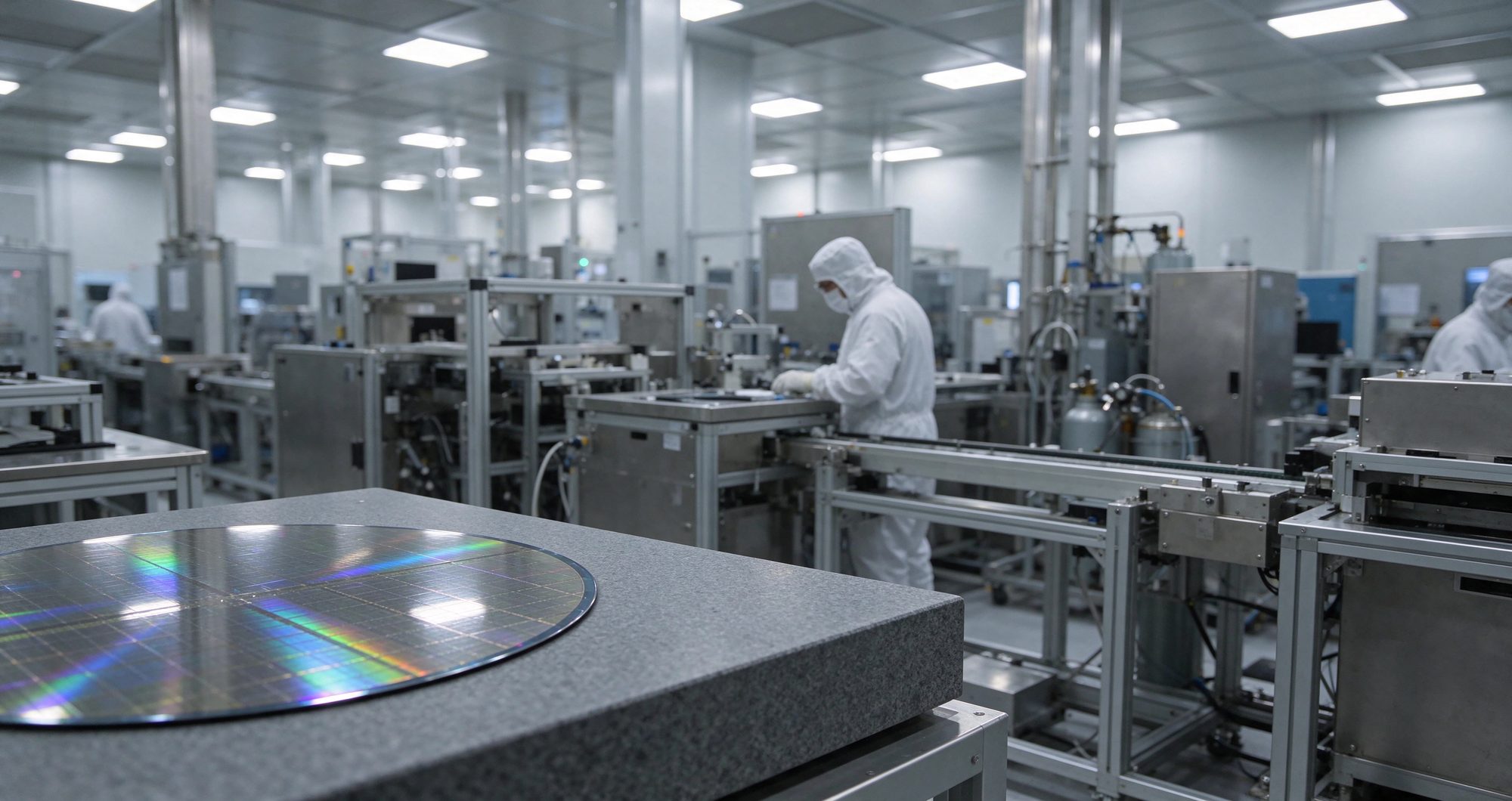
The stronger forecast reflects surging technology exports, a rebound in investment and resilient consumption. The global AI expansion has increased demand for semiconductors, supporting corporate earnings and government tax revenue.
For 2027, the outlook assumes that higher incomes in the technology sector will increasingly feed into consumer spending. Investment intended to accelerate South Korea’s adoption of AI is also expected to gather pace and lift the economy’s medium-term growth capacity.
However, the mission’s assessment highlights a gap between the exceptional performance of technology businesses and the experience of the wider economy. Benefits have so far been concentrated in that sector and are expected to spread only gradually.
Rapid population ageing, widening regional disparities and differences in productivity between businesses and workers remain obstacles to sustaining the gains. The mission’s structural agenda centres on broadening the sources of growth rather than relying on the current export surge alone.
Inflation complicates the outlook
Inflation is forecast to reach 2.7% in 2026 and 2.3% in 2027, remaining above the 2% target in the near term. Measures addressing higher energy prices have helped limit their inflationary impact, but strengthening domestic demand adds pressure.
The mission recommends further monetary tightening to prevent inflation pressures from becoming entrenched. It also favours a somewhat more contractionary fiscal stance to restrain overall demand, while keeping support targeted towards vulnerable households and businesses. These are policy recommendations, not an announcement of new interest-rate or spending decisions.
The newly created Future Response Fund has been welcomed as a fiscal stabilisation vehicle that could help public finances respond more effectively to the economic cycle. The mission also favours exchange-rate flexibility as the main way to absorb external shocks, with currency-market intervention limited to preventing disorderly conditions.
Despite the higher growth projections, uncertainty remains substantial and risks to activity are tilted towards weaker outcomes. Concentration in particular sectors is a concern alongside the near-term challenge of containing demand pressures.
Broadening growth beyond the capital
The reform recommendations include raising labour-force participation, narrowing wage gaps between different groups of workers and expanding social protection. These measures are intended to strengthen household incomes and consumption.
Wider adoption of AI is another priority, including regional growth clusters and public investment that improves productivity outside the Seoul region. The aim is to create more balanced development and open investment opportunities beyond the businesses already benefiting most strongly.
Diversifying overseas demand and continuing the move towards renewable energy also form part of the proposed response to external shocks. The upgraded forecast therefore sits alongside a broader challenge: turning an exceptional technology upswing into more resilient growth across South Korea’s economy.