
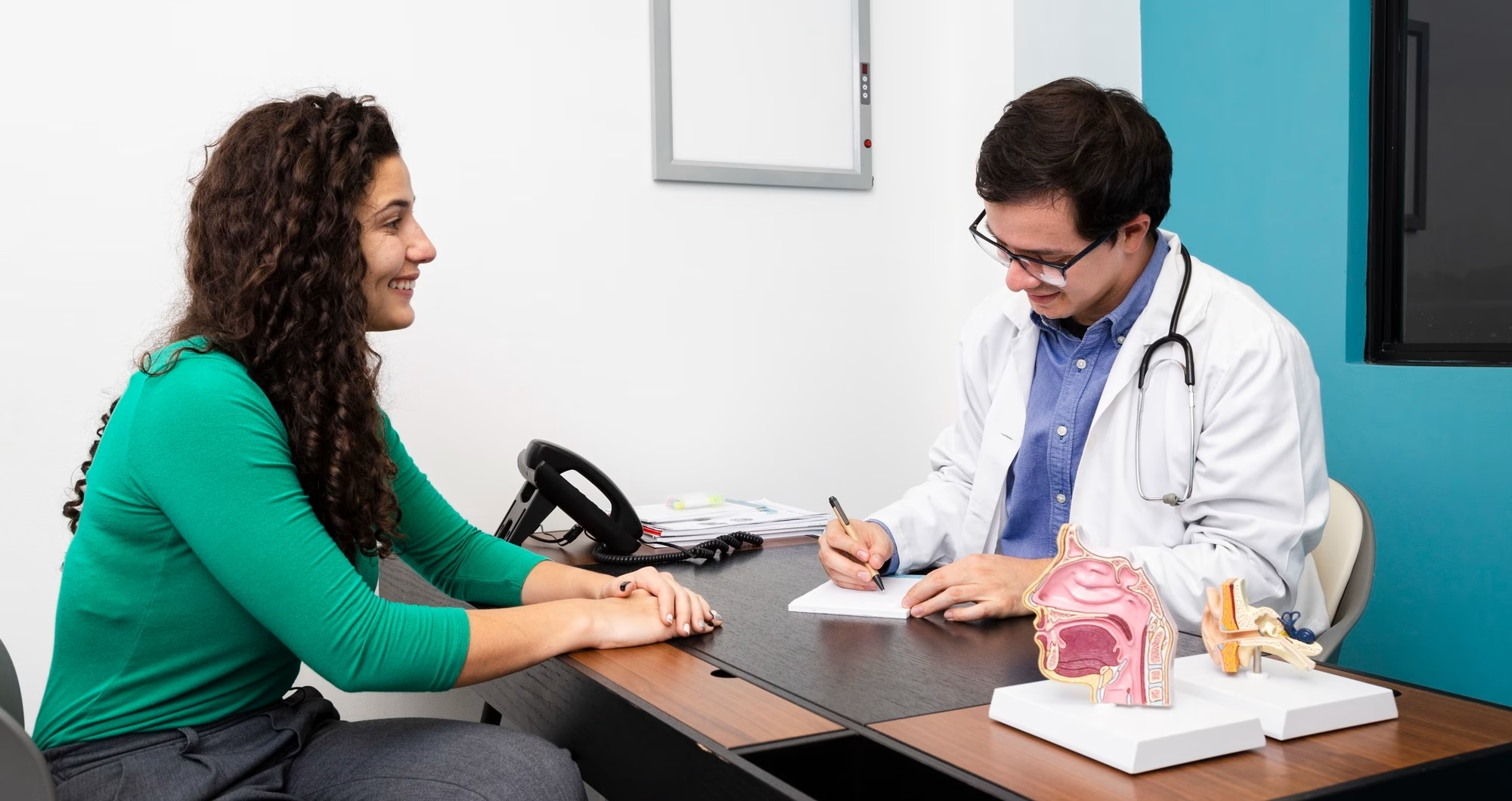

You are in your 20s. Full of life and energy. Health worries seem to be far in the distance. You are juggling work, travel, study, and a whole lot of things at the same time. Your social life is at its peak, and your body responds well to rest after a hard day.
And then one day, you go for health checks and see that everything is not what it seems. You see, good health in your 20s does not happen by chance. It is built choosing a healthy lifestyle, dropping bad habits, and embracing recommended care decisions.
Keeping your body healthy should be your utmost goal; hence, a need for regular and routine health checks. In the following sections, you will be learning why checkups are not only for when you feel unwell, but they are also your way to ensure that everything is right with your body.
Why You Should Do a Health Test Today
In the intro section of this blog, we alluded to the misconception that many people have: taking a health test is only to diagnose what ails you whenever you feel unwell.
A lot of young people think like this. What people who think like this don’t realise is that some medical conditions, like anaemia, nutrient deficiencies, iron deficiency and so on, can develop silently, eating deep into the system of an individual with no obvious signs. After a while, symptoms begin to appear, but some organs are already affected.
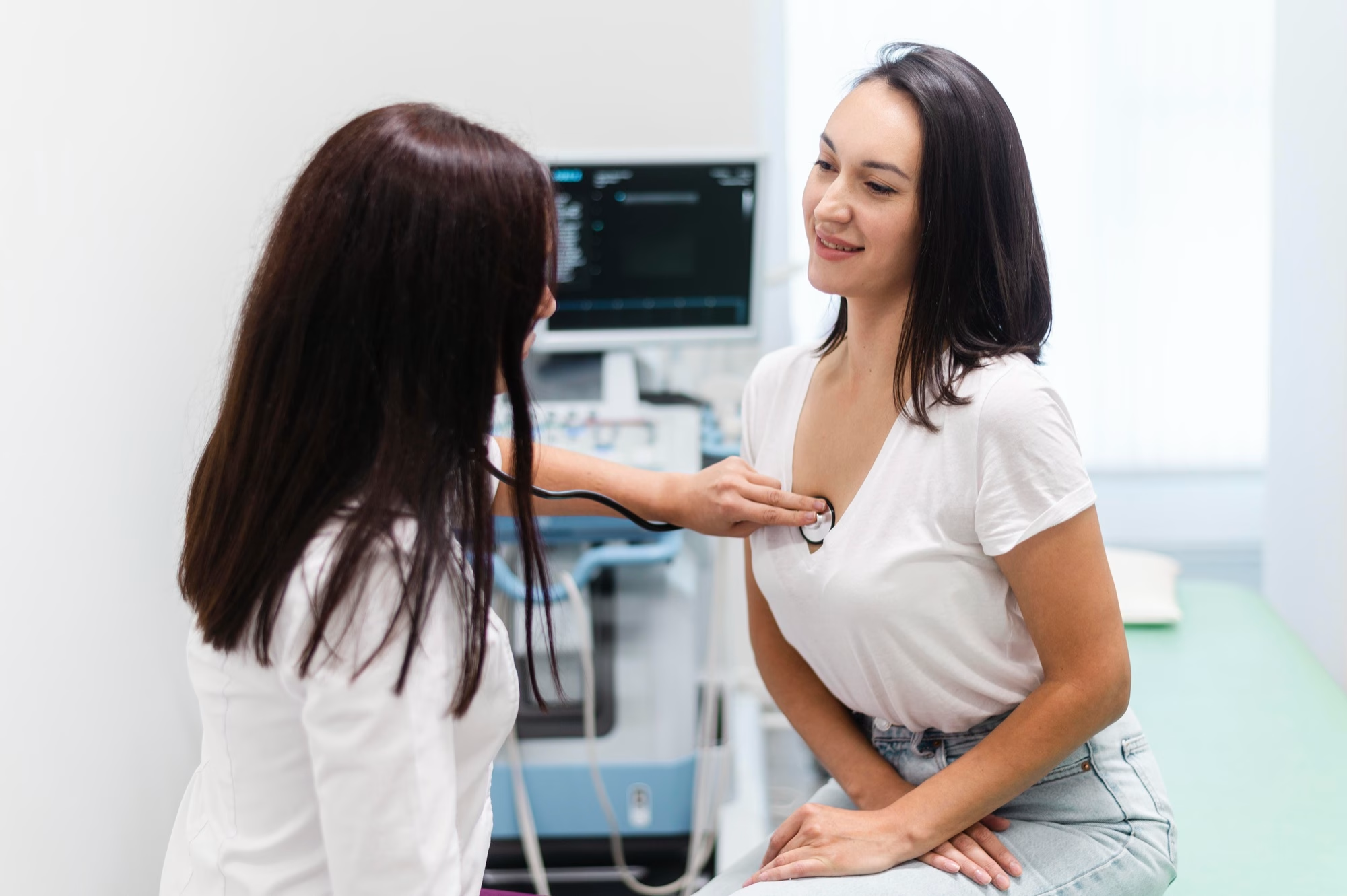
Preventive healthcare helps to identify these signs in their early stages. Below are some of the reasons health tests matter in your 20s.
1. To Build Long-Term Healthy Habits
Deciding to get regular health checks helps you develop habits that can last you decades. It will help you highlight nutritional improvements that have lasting benefits. If you can resist a lot of unhealthy temptations when you are young, there is a high chance you will live healthily when you grow older. It will help you highlight nutritional improvements that have lasting benefits. If you can resist a lot of unhealthy temptations when you are young, there is a high chance you will live healthily when you grow older.
2. Supports Female Reproductive Health and Aids Fertility
If you desire to have healthy kids in the future, your 20s are the best time to start preparing your body. You need to be serious about your reproductive health. You cannot afford to miss out on regular checkups. They help to diagnose abnormalities early. Health tests will make you engage in menstrual health discussions, know what your hormones say at different times of the month, and so on.
3. Early Detection of Health Conditions
Some diseases do not show symptoms until they have caused so much damage. Luckily, regular health checks rules this out. You take tests like the ferritin test, blood glucose tests, HIV test, Eating disorder test, Addiction test among so many others. These ailments can be detected on time and treated quickly. It is recommended for women in their 20s to have regular health checks that take into account their nutrition, family history and personal risk factors.
Clinics like Longevity Clinics help women in their 20s with preventive self-care approach to taking charge of their health. They help them build a healthier future and prevent ailments that could hinder a peaceful, feminine life.
Top 7 Health Screenings Women in Their 20s Should Consider
Let us discuss some of the general health screenings women in their 20s should consider.
1. Breast Examination
While major mammograms are not recommended until after 40 years, your 20s are the best time to practice healthy breast awareness. You should be familiar with changes in your breasts. Be quick to visit a doctor if you notice any unusual discharge or an irregular lump and also be ready to healthy lifestyle changes. Also, family history of breast cancer may also warrant frequent breast examinations.
2. Blood Pressure
Unhealthy diet, stress, and living a sedentary lifestyle are major contributors to high blood pressure. Unfortunately, it not only happens to people in their middle age. People in their 20s can deal with high blood pressure too. It occurs with no symptoms. You can only know with regular checks. Upon detection, your blood pressure can become moderate and reduce the risk of suffering from cardiovascular diseases.
3. Blood Tests
Taking a lipid profile, full blood count, and blood sugar level are common blood tests that can reveal hidden health issues before they become big problems. Lipid Profile helps to measure cholesterol and assess the risk of heart disease. Full blood count detects anaemia and immune health changes. Fasting Glucose detects early signs of diabetes (type 2), which is becoming prevalent among young adults.
4. Mental Health Assessments
Just like physical health, mental health should also be prioritised. The stress of wanting to ensure a happy life can be mentally demanding. The bustle and hustle in your 20s can be foundational to mental problems in the future. Talk about your mood, stress levels, and anxiety during your health test. Mental awareness is not about a fine face. Early intervention leads to a better mental psyche.
5. Sensory Checks (Skin, Ear, and Eye)
While hearing loss is often associated with ageing. What many do not know is that exposure to noise and regular usage of headphones during your 20s contribute to this defect. Simple hearing tests can prevent damage to the ear at an older age.
Skin Check is also important. It helps to detect skin diseases right from the onset. People with fair skin and a family history of skin diseases like melanoma should include skin checks in their list of health screenings. Likewise, people who use tanning beds or have had sunburns in the past.
Eye checks are also important checks that should be considered. While your eyesight might be in top shape in your 20s, problems can develop gradually due to screen time, poor lighting, family history, and even health conditions. Scheduling routine eye exams can prevent this and help you pick up early signs of eye defects.
6. Reproductive and Hormone Health
Your reproductive health is a gateway to your hormonal balance. It controls your overall well-being. Health screenings like hormone testing can help to detect conditions like endometriosis and Polycystic Ovary Syndrome (PCOS), which often begin in early stages of adulthood. These medical checks have a lot of benefits. They let you know your pre-conception status. They also regulate your reproductive and hormonal system before trying to conceive.
7. Cervical Screening Tests (CST)
Pap smearing used to be the deal in times past. But currently, the cervical screening test is more popular. CST help females detect the presence of the virus, Human Papillomavirus (HPV), that causes cervical cancer. While the HPV vaccine works, it does not suffice as a preventive measure. Undergoing a CST test is also recommended.
Conclusion
A visit to your doctor will expose you to every health test available. The 7 listed above are the ones that matter the most in your 20s. You can also take a sexual health test, thyroid function test, and nutritional assessment. Though challenging, your 20s are the best time to take charge of your health. Have quality sleep, eat healthily, and do not over stress yourself. Get enough rest and do not find solace in stimulants.
Book a comprehensive health screening with Longevity Clinics today. Do not wait for symptoms to manifest before having a health test. Please keep in mind that online screening tools cannot provide a formal diagnosis. So, confirm your health is on track by booking a GP visit today and let health tests help you live well now and in the future.







