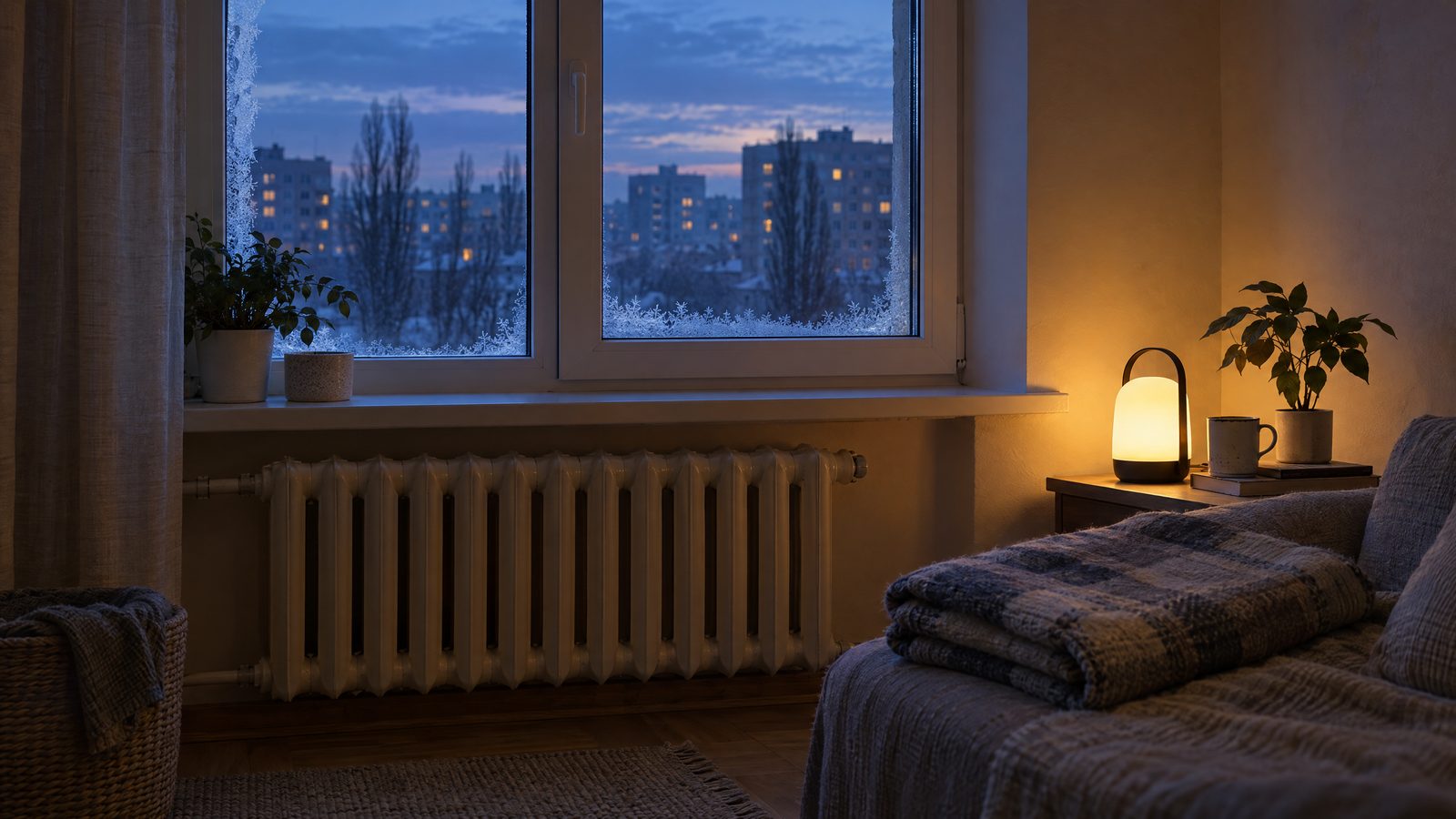

Ukrainians who have returned to homes they fled during the war could face displacement again this winter if damaged housing, disrupted energy supplies and heating costs leave them unable to remain, the International Organization for Migration has warned.
The warning is a risk assessment, not a forecast that a new movement of people has already begun. Its significance is that it focuses on people who have already made the difficult decision to return, often to places where repairs and everyday services remain precarious. The organisation says its latest findings show that people who returned within the previous three months are the most likely to say they may leave again.
Returns under renewed pressure
Nearly 3.6 million people remain internally displaced within Ukraine, according to the organisation, while an estimated 3.8 million have returned to their places of residence after displacement since February 2022. Those are different groups: the first figure concerns people still displaced inside the country, while the second measures returns since the full-scale invasion. Neither figure establishes how many people will move this winter.
Conditions are especially severe close to the front line. An estimated 1.45 million returnees live in frontline districts, including 565,000 in Kharkiv region. In rural frontline areas, three in four returnees need materials to repair damaged walls. Nearly two in three need roofing materials and insulation. These needs show why a return to a familiar address does not necessarily amount to a secure return to a habitable home.
Repeated attacks on energy infrastructure have weakened essential services, the organisation said. Electricity interruptions can affect much more than lighting: heating systems, water pumping and communications may all depend on reliable power. Households already coping with damaged buildings and limited incomes can therefore face several pressures at once when cold weather arrives.
Heating availability is not the same as affordability
Even where a heating system is operating, cost can decide whether a household uses it. During the last cold season, 32 per cent of households said they could heat their homes adequately. The proportion fell to one in four in frontline areas. Nearly six in ten households said they had reduced heating consumption to save money.
The exposure is not confined to rural districts or towns near the fighting. Six in ten residents of large cities depend on district heating, while one fifth of urban households have no backup power source. The organisation also estimates that 2.1 million older people live alone in multi-apartment buildings. A prolonged failure of electricity or heating can be particularly hard for people who have limited mobility, few nearby contacts or no alternative place to stay.
Those figures do not mean that every affected household will leave. Some families may be able to repair homes, draw on community support or use temporary energy arrangements. But they identify the point at which a hardship issue can become a displacement issue: when a home is physically unsafe, cannot be heated, or no longer has dependable access to essential services.
What the warning calls for
The organisation says less than 7 per cent of its 2026 Ukraine Crisis Response Plan has been funded. It is calling for urgent support to repair damaged homes, improve insulation and maintain essential services, alongside investment in decentralised energy solutions that could help communities withstand further disruption.
The timing matters because repairs, insulation and energy equipment generally need to be in place before the most severe weather. The warning does not claim that assistance can remove the risks created by continued attacks and damaged infrastructure. It argues instead that faster support can give more households a realistic chance of staying safely where they are. For returnees, that is the central question this winter: not simply whether they came home, but whether their homes can remain liveable.