
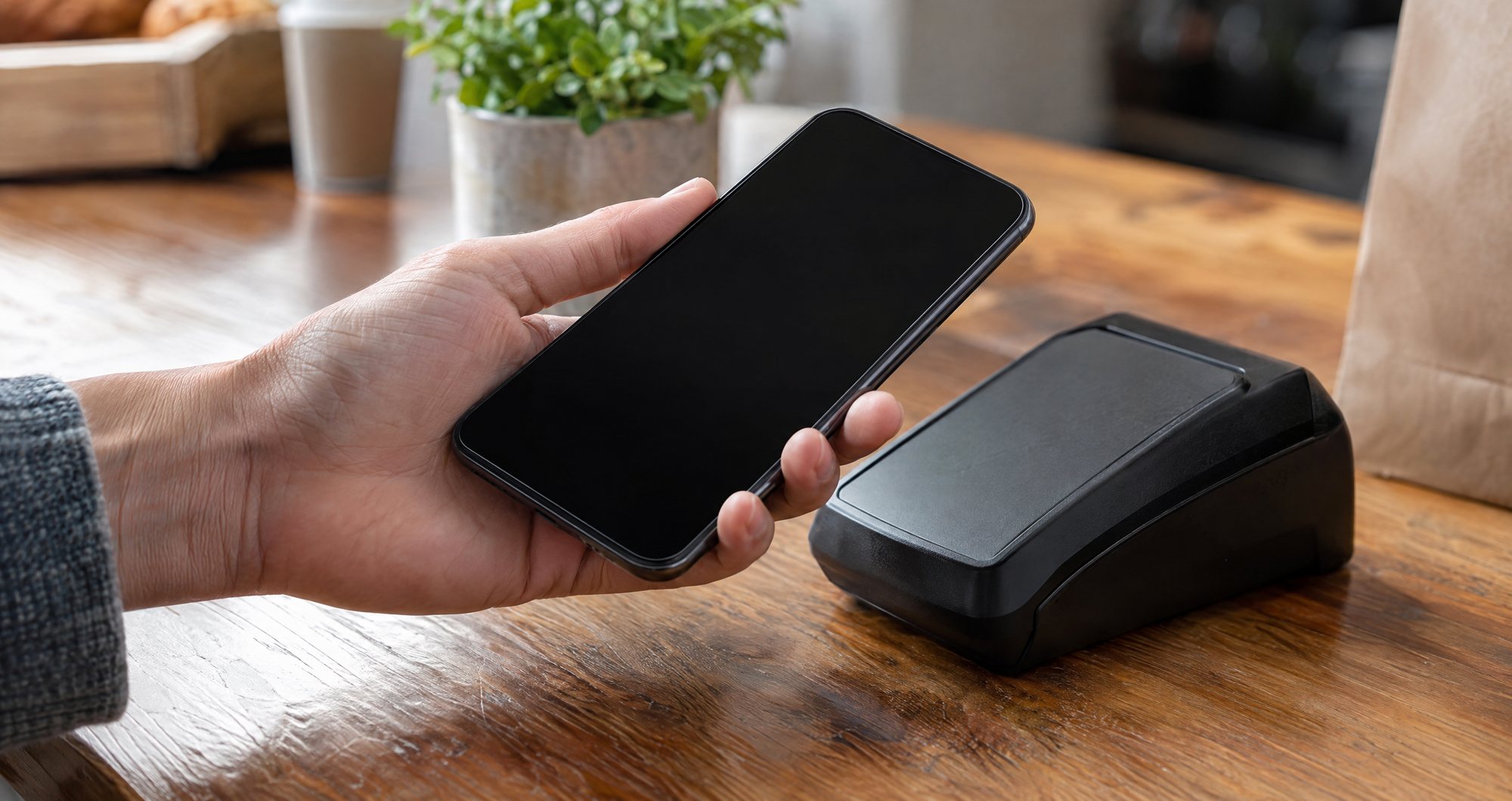

Pakistan is planning to end cash payments at Islamabad’s capital administration and development authority departments from 1 December, as officials seek to bring the city’s merchants into a digital payment system by the end of the year.
The two dates mark different parts of the government’s plan. The first concerns payments to departments of the Islamabad Capital Territory administration and the Capital Development Authority (CDA). The second is a target for extending digital payment facilities across the capital’s commercial sector. Neither deadline means that Islamabad is already cashless.
Minister of State for Interior Talal Chaudhry said cash would no longer be accepted in ICT administration or CDA departments after 30 November. He also said the government wanted all merchants in the capital brought into the cashless system by 31 December.
The minister said roughly 26,000 Islamabad merchants had already been connected to digital payments. The plan is to extend facilities across businesses of different sizes, from street vendors to large commercial centres. Being connected to a payment system does not, by itself, show how frequently a merchant uses it or whether customers have stopped paying in cash.
What the deadlines cover
For people dealing with the two capital authorities, the planned change would affect how payments to their departments are made. The practical arrangements for people who cannot use a digital payment method, including any exceptions, remain unclear.
The merchant target is broader in reach but different in character. Bringing businesses into a digital network would give them a means of accepting electronic payments; it does not establish that every private cash transaction will be prohibited. The scale of take-up, and whether the year-end target is met, will depend on implementation.
The CDA chairman, Sohail Ashraf, attended the meeting at which the plan was discussed, along with banking representatives and other senior officials. Chaudhry stressed the need for consultation with stakeholders, and banking representatives expressed support for the initiative.
Chaudhry said cashless systems had already been introduced at Islamabad’s weekly markets, the CDA’s one-window facilitation centre, and metro and electric bus services. He also said QR-code payments were being expanded to shopping malls and other businesses, including hotels, petrol stations and restaurants. Those statements describe steps officials say are under way; they do not demonstrate that every transaction in those places is already digital.
Part of a wider payment push
The capital’s plan sits within Cashless Pakistan, a national initiative launched in June 2025. It aims to make payments more convenient, increase transparency and bring more economic activity into formal records. Chaudhry has said he expects digital payments to improve tax monitoring and the way transactions are handled. Those are intended benefits, rather than results established by the Islamabad announcement.
One piece of the national infrastructure is Raast, Pakistan’s instant-payment system. It supports digital transfers involving individuals, businesses and government bodies. A customer can use a payment application to scan a merchant’s QR code and make a payment, although the Islamabad announcement does not mean that every business will necessarily use the same method.
At a separate meeting on national digital payments, the Finance Division reported that the number of active merchants accepting electronic payments had risen from 500,000 to 2.03 million. That is a nationwide figure and should not be confused with the approximately 26,000 merchants the interior minister said were connected in Islamabad. The two figures also use different descriptions: active and connected.
Finance officials have asked the State Bank of Pakistan to prepare a working paper for approval of a Raast QR merchant discount rate scheme. That is a step towards a proposed arrangement, not confirmation that a new scheme has already been approved. Officials also said QR codes had been placed on gas and electricity bills to give consumers a way to pay digitally.
For the capital’s plan to work in everyday settings, merchants and customers will need payment facilities they can access and use reliably. The central bank has identified limited awareness, trust and access among the historical barriers to electronic payments in Pakistan. Chaudhry has called on banks to help merchants and the public understand the system and to offer incentives for digital payments.
The immediate test will be how the two authorities handle their planned change at the start of December. The wider question is whether businesses across the capital can be brought into the digital system by the later target date, without treating that ambition as an outcome already achieved.







