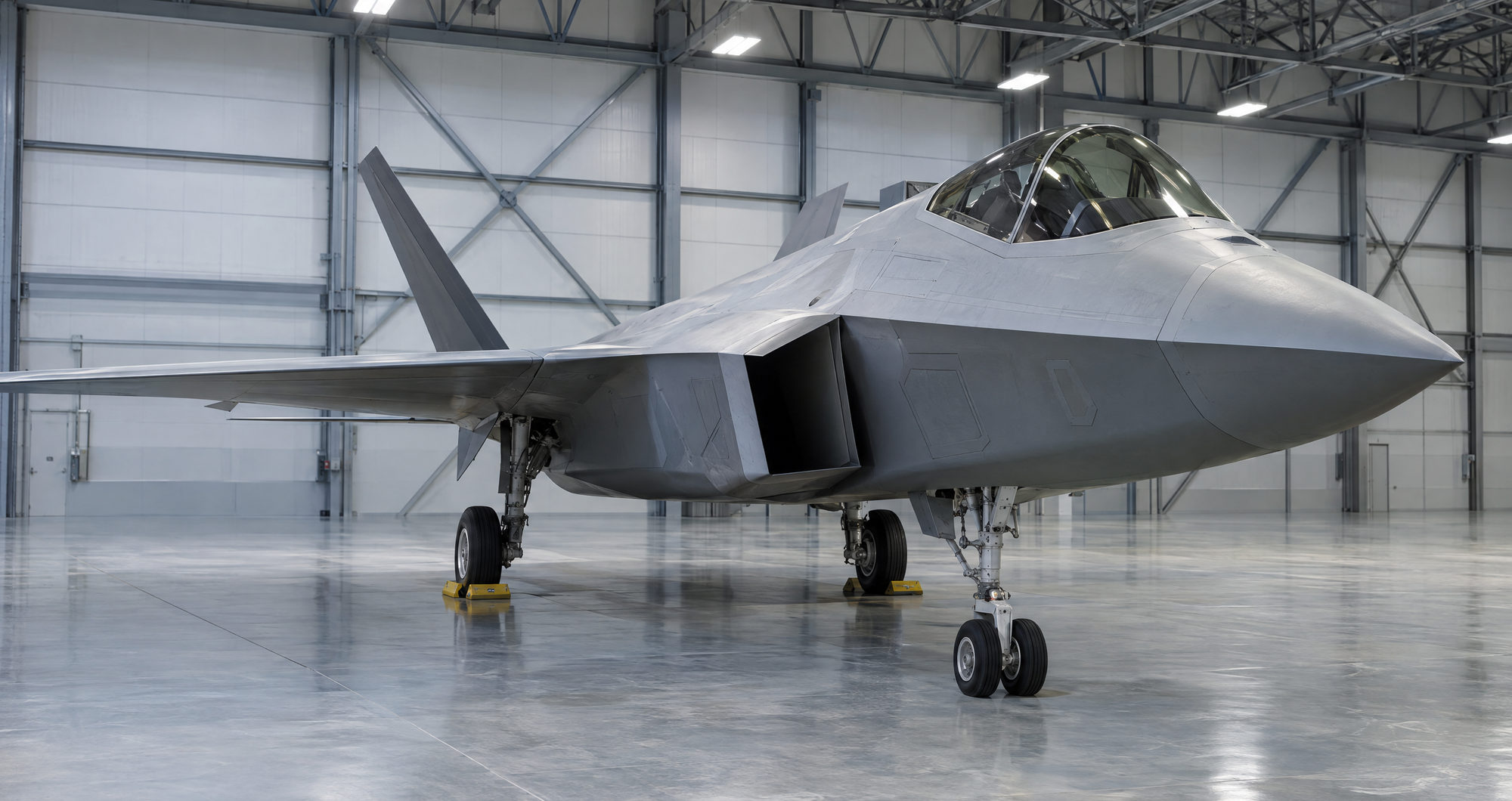

Italy has said it supports Germany joining the international programme developing a next-generation fighter aircraft, while proposing that Berlin begin as an observer before any move to full membership.
The Italian defence ministry set out its position on 14 November after reports that Rome had resisted giving Germany an equal role in the Global Combat Air Programme. The ministry said suggestions that Italy opposed German participation were misleading and that it regarded Berlin’s involvement as a positive opportunity.
The distinction matters. The reports concerned the terms on which Germany might enter the project alongside Britain, Italy and Japan. The ministry’s response was that an initial observer role would help Germany receive information quickly and create a route towards full membership, while protecting the programme’s progress and timetable.
The statement is not an announcement that Germany has joined. It does not establish that Berlin has accepted observer status, or that the existing partners have agreed the terms, cost or industrial responsibilities of a future German role.
What an observer role could mean
The three partner countries have already used an observer arrangement for another interested nation. In July, Canada became the programme’s first observer nation. The arrangement gives Canada access to information about capability development, industrial collaboration and long-term plans, but not a decision-making role.
Italy’s proposal describes an initial information-sharing stage for Germany. It does not set out a complete agreement on the rights Berlin would have, how long an observer period would last or when a transition to full participation might occur. The Canadian arrangement provides a precedent, not proof that a German arrangement would be identical.
Germany has been considering its options for a future combat aircraft. Earlier this month its defence minister, Boris Pistorius, said participation in the British, Italian and Japanese programme was one possibility being discussed. He identified a separate European industrial project as another option and expected a fundamental decision on the direction of a new air combat system by the end of March 2027.
That is a German planning horizon, not an agreed date for joining the existing programme. Pistorius also said the potential effect of German involvement on the programme’s timetable would need examination.
A programme already under way
Launched in 2022, the Global Combat Air Programme aims to bring a new combat aircraft into service in 2035. It brings together the three governments and their defence industries on a project involving aircraft design, propulsion, sensors and communications.
In July, the programme’s government agency awarded a jointly funded £4.6 billion contract to the industrial joint venture Edgewing. The 18-month contract covers completion of advanced concept and assessment work and further detailed design and development. It followed an earlier £686 million contract awarded in April.
Those agreements are relevant to any discussion of expansion because work is already being organised and funded by the existing partners. A new country’s potential involvement would have to be considered alongside the progress and timetable of that work. Italy’s statement did not announce a revised contract or specify how a German contribution would be accommodated.
Separately, the UK has set out plans to invest £8.6 billion in the programme over four years. That national commitment should not be confused with the value of the jointly funded international contract or treated as an additional contract announced in response to the Italian statement.
The UK government has said its wider future combat air system, of which the programme is part, already supports 4,500 jobs and involves hundreds of organisations in its supply chain. Those figures describe the wider work and are not a forecast of jobs that German participation would create.
Decision still ahead
For now, Italy’s position is an expression of support and a proposal for an initial route into the programme. It is not a settled fourth partnership. Any eventual arrangement would depend on decisions by the countries involved and on terms that have not been publicly established.