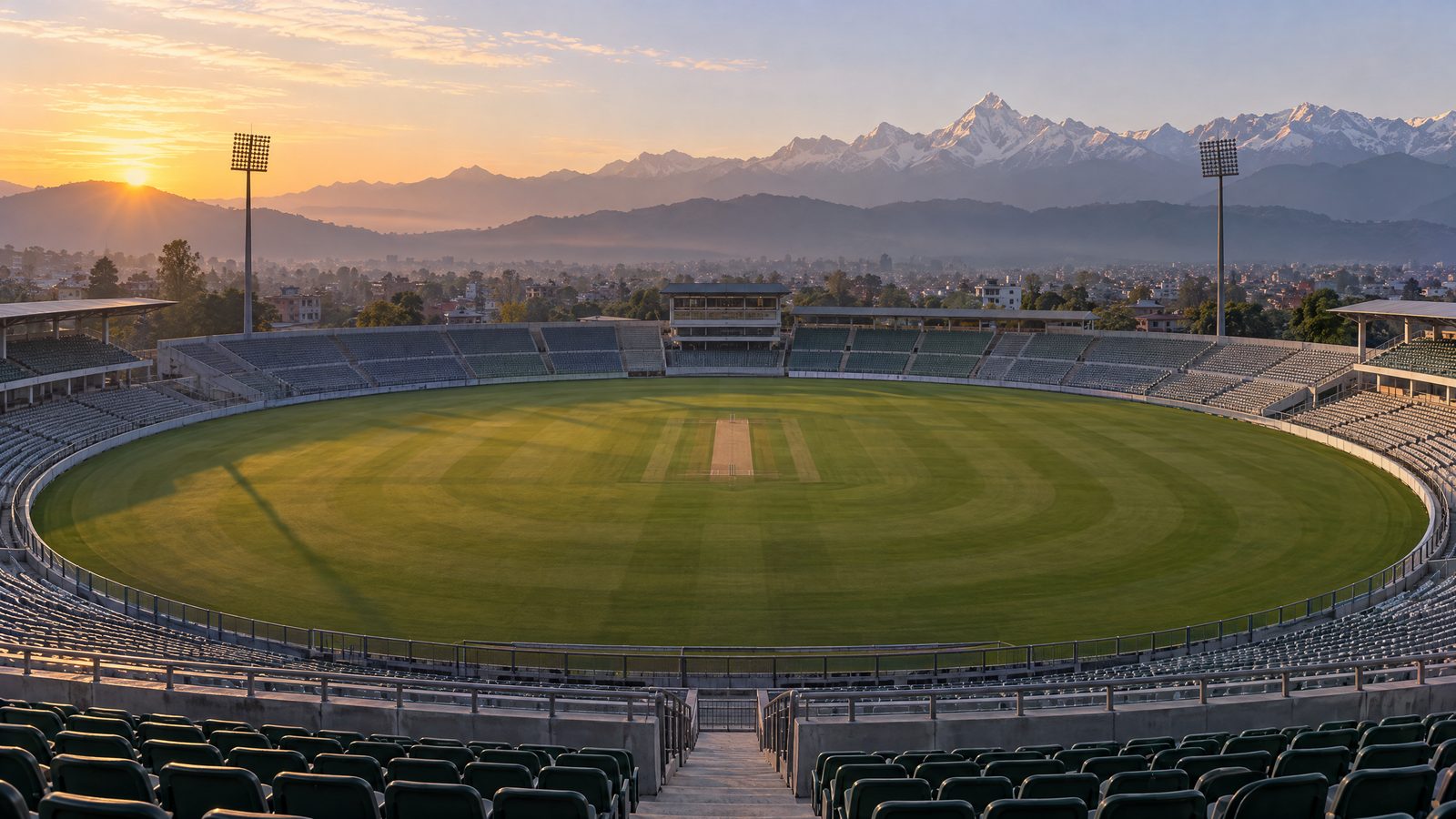

Kathmandu police have set out a security plan for the third Nepal Premier League season, saying they can deploy up to 1,225 uniformed personnel on a match day as the tournament gets under way. The stated maximum is a planning figure rather than a fixed daily deployment, with numbers expected to vary by match and assessed need.
More than 100 officers in plain clothes are also expected to be mobilised each day. Police say they may draw on personnel from subordinate offices if required, while traffic officers will operate alongside the main security deployment. The approach is intended to cover the visible policing of the venue as well as activity less apparent to spectators.
The arrangements extend beyond the stadium itself. They are intended to cover players, spectators, team hotels, journeys between accommodation and the ground, and traffic around matches. Police have also said that security will take account of opening and closing ceremonies, where higher attendance and the presence of invited guests can create additional operational demands.
The venue and surrounding area are to be divided into 24 sectors, each with its own command post. Those posts are planned to coordinate cordons, searches and, if necessary, rescue and evacuation activity. The sector model is designed to allow decisions to be made close to an incident rather than relying on instructions to travel through a single central point.
Technology is expected to form part of the plan. CCTV coverage will be used to watch the area, while drones may be deployed where needed and canine teams will be available for searches. Police have indicated that camera footage at the venue will be monitored by deployed staff, with wider surveillance also feeding into a control-room arrangement. The Armed Police Force is expected to provide external security alongside Nepal Police.
Officials say the preparations followed discussions involving the Cricket Association of Nepal and the district security committee. Police have emphasised the need for coordination with the tournament’s private guards as well. Their focus is not solely on access points and crowd control: they say private security staff should be clearly briefed on how to deal with ticket holders and other members of the public.
The plan also includes special monitoring for online betting, spot-fixing and related scams. Police say they will use human intelligence, technical tools and publicly available online information in an effort to identify risks early. This is a preventative measure and does not mean that such offences have been established at the current tournament.
Police have said they will also watch for online conduct that could affect the event, including rumours, disinformation and abusive material aimed at groups or regions. Any investigation would depend on what is identified and on the applicable legal process. The announced measures therefore set out the intended response, not a record of incidents already dealt with during this season.
For spectators, the most obvious elements are likely to be officers at the ground, traffic controls and security checks. Much of the plan concerns the less visible work around hotels, travel routes, surveillance and communication between agencies. Its effectiveness will depend on the final staffing decisions for each match and on cooperation between organisers, security teams and the public.
The Nepal Premier League has become a major domestic cricket event, bringing large crowds and added logistical demands to Kathmandu. The new plan combines a substantial personnel allocation with local command posts and surveillance tools. Police describe it as a stronger arrangement than in earlier editions, but the figure of up to 1,225 uniformed officers remains a capacity within the plan rather than a guarantee that the same number will be on duty for every fixture.