
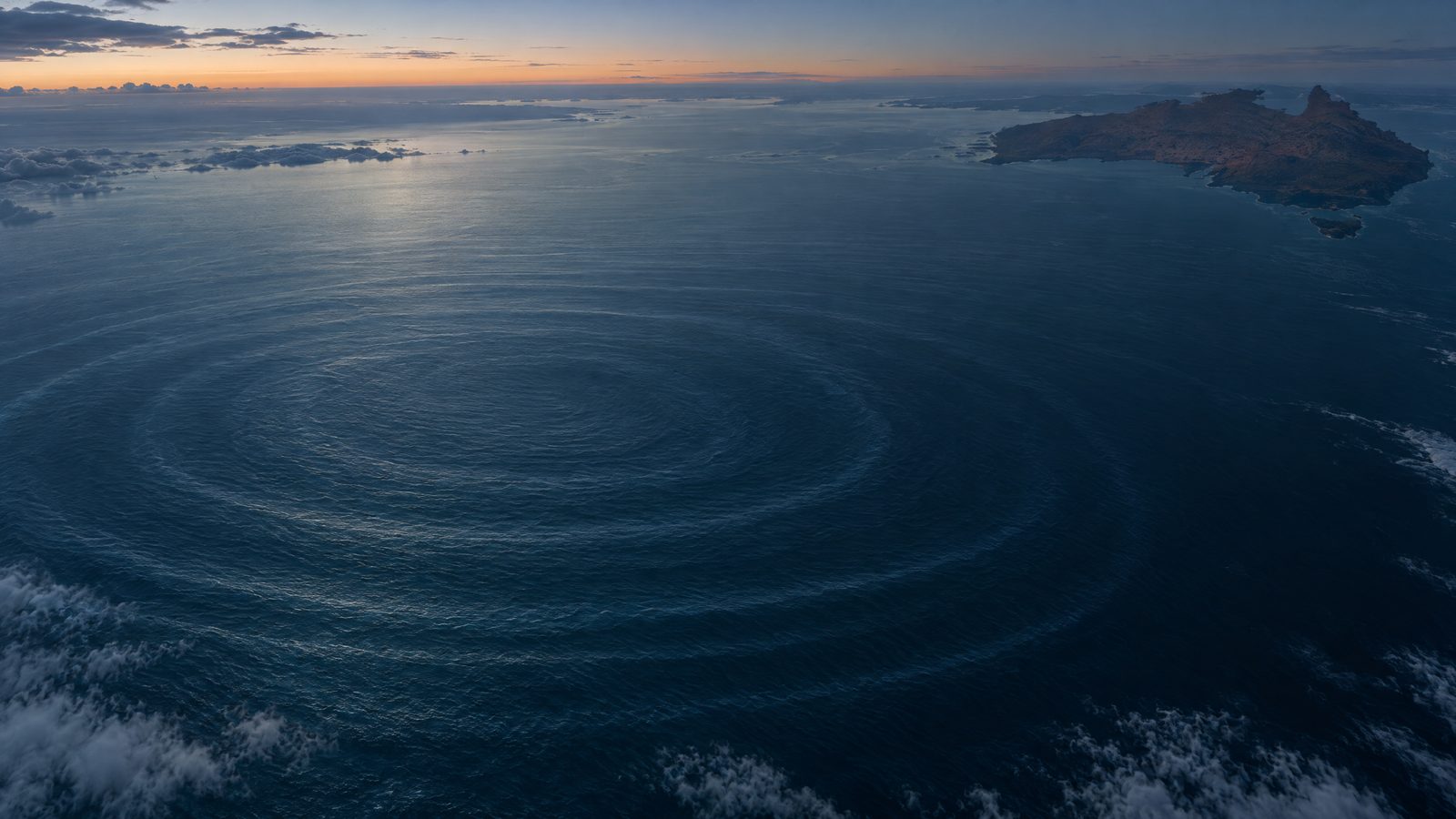

A magnitude-4.9 earthquake struck in the Southern Ocean off South Australia’s south-east coast on Tuesday morning, with more than 1,100 people later recording that they had felt the tremor.
The earthquake occurred at about 7.48am local time. Its offshore location was roughly 100 kilometres south of Victor Harbor, placing the source well out to sea but close enough for shaking to be reported across a wide area. People on the Limestone Coast were among those who logged that they felt it.
The latest reviewed earthquake record listed 1,113 felt reports. Those reports are valuable because they show how far a tremor was noticed, from a person’s perspective, rather than simply where the movement began beneath the surface. They are not, however, a count of injuries, property damage or the number of people needing assistance.
What is known about the earthquake
The magnitude was recorded as 4.9, a measure of the size of the movement at its source. Magnitude is different from the intensity experienced in any one place. Shaking can feel stronger or weaker depending on distance from the epicentre, the depth of the event, local ground conditions and the type of building a person is in.
That distinction helps explain why an offshore event can be reported over a broad stretch of land without producing the same effects everywhere. A person may notice a bed or window moving while another person, only a short distance away, feels nothing at all. Logged reports give monitoring specialists a fuller picture of that pattern after an event has occurred.
The event was marked as reviewed in the national earthquake record, meaning the initial measurements had been assessed using available monitoring information. The listed location was offshore in the Southern Ocean, south of the South Australian mainland. As with other seismic events, technical figures can be refined as recordings from more stations are examined, so the reviewed record is the appropriate basis for the headline magnitude and location.
Felt reports reached the Limestone Coast
More than 1,000 reports had been submitted by the time of the latest count, including reports from the Limestone Coast. Earlier accounts also described the tremor being noticed in Adelaide and other parts of South Australia. The broad spread is consistent with an event that was strong enough to be felt well beyond the coastline nearest the epicentre.
A felt report records what an individual experienced. It may describe a brief rattle, a low rumble, moving furniture or other signs of shaking. The reports are voluntary and can grow after the event as more people decide to submit them. For that reason, the total should be treated as a live measure of reported experience, not a fixed population estimate.
Status after the tremor
The verified information available after the earthquake did not identify confirmed injuries or damage. That is a status update rather than a final assessment of every home, business or coastal area. No tsunami threat was identified in the immediate reporting on the event.
There is no reliable way to predict the precise time and place of an earthquake before it happens. Monitoring records instead establish what has occurred, where it was centred and how widely it was felt. Any later tremor or aftershock would need to be assessed as a separate event rather than assumed from the first quake.
For communities that noticed the shaking, the most useful distinction is between the confirmed offshore earthquake and the effect reported at a particular location. The reviewed record confirms the first. The growing set of felt reports helps describe the second, including the experience of people along the Limestone Coast.







