
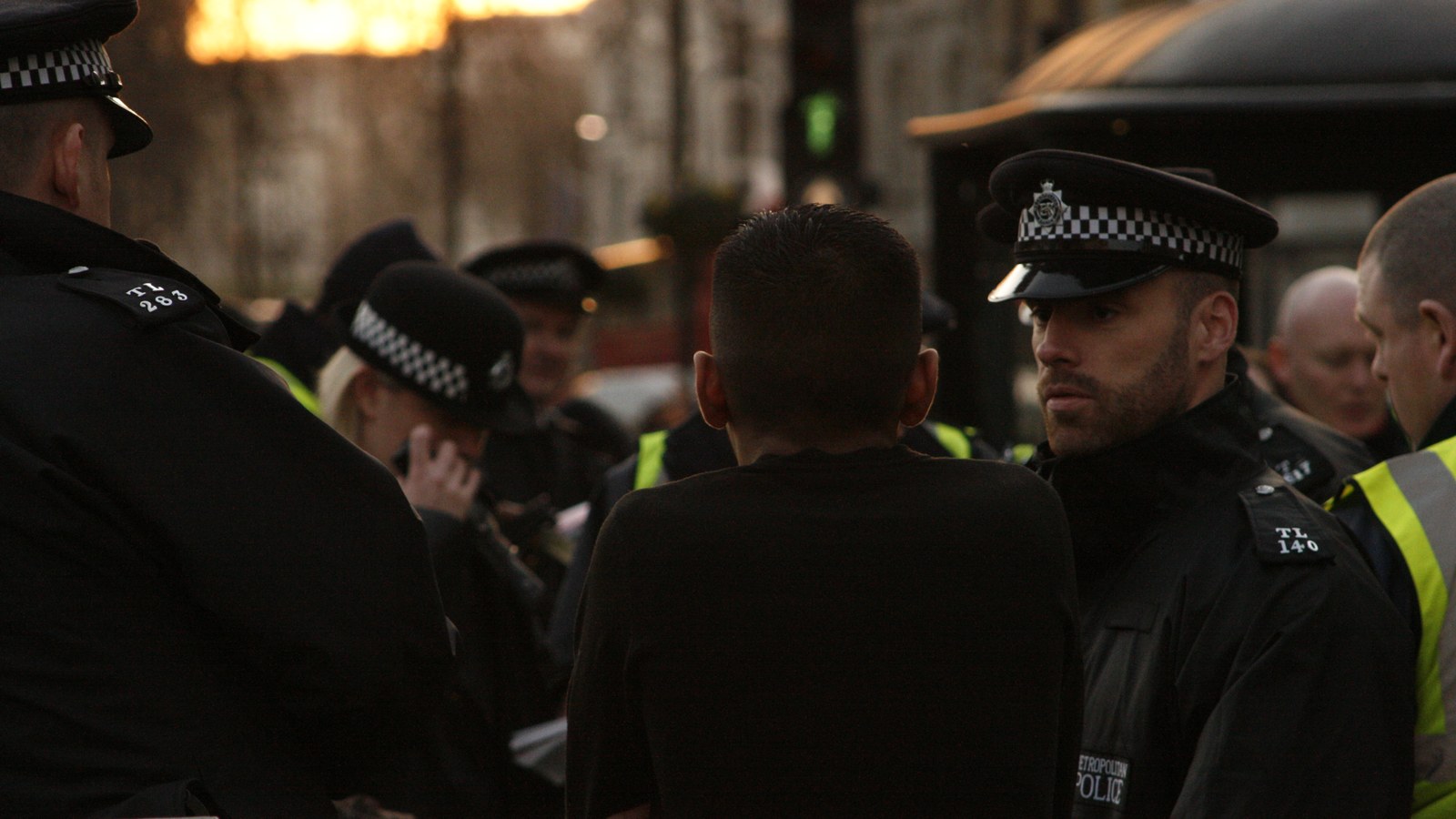

Police have launched a murder investigation after the death of a man in Croydon in the early hours of Thursday, 9 July. Officers were called to Livingstone Road, Thornton Heath, at 04:52hrs following reports of an assault. A man in his 20s self presented at a local hospital with injuries consistent with a stab wound and was later pronounced dead. Three men, aged 28, 38 and 44, have been arrested on suspicion of murder and remain in police custody. Detective Chief Inspector Wayne Jolley is leading the investigation, which is believed to be an isolated incident.
What is known so far
The number of separately verified facts about this case is limited and has been set out by the investigating authority. Police were called to Livingstone Road at 04:52hrs on Thursday, 9 July after reports of an assault. The injured man in his 20s attended a local hospital with injuries consistent with a stab wound and was later pronounced dead. Three men have been arrested on suspicion of murder and are in custody. The inquiry is being led by Detective Chief Inspector Wayne Jolley and is described by investigators as an isolated incident. Beyond these points, officials have not released further confirmed information pending enquiries.
How a murder investigation proceeds
The opening of a murder investigation begins a structured process designed to establish what happened and whether criminal charges are justified. Investigators will work to assemble and preserve evidence, identify and speak with potential witnesses, and to build a factual account that can be tested in court. Public updates during this phase are often limited because investigators must avoid disclosing information that could prejudice lines of enquiry or future legal proceedings.
Evidence gathering and forensics
Inquiries of this kind typically involve several strands of evidence collection. Scene examination techniques are used to record and preserve physical traces. Forensic processes such as fingerprint comparison, DNA analysis and specialist laboratory tests can take time to complete, and their results are used to corroborate accounts and to place individuals or objects at particular locations. Investigators may also consider medical records and emergency services logs to establish timings and the sequence of events surrounding the incident.
Digital and recorded material
Contemporary enquiries commonly include the review of digital material when it is available. That can cover mobile phone content, recordings from doorstep cameras, vehicle dashcams and any other audio or video footage that may capture relevant activity. Digital device examination and the extraction of data are routine parts of modern policing, but these processes are careful and methodical because they involve preserving the integrity of electronic evidence and ensuring it is admissible in court.
Public information and operational restraint
Investigating officers are typically cautious about releasing detailed operational information while enquiries are active. There are practical and legal reasons for this caution. Premature disclosure of investigative lines, witness identities or forensic findings can risk compromising sources of evidence and may affect the ability to secure a fair hearing in subsequent criminal proceedings. For that reason, publicly available information is normally confined to essentials that can be verified and released without undermining the investigation.
Immediate investigative priorities
Early priorities in an inquiry usually focus on locating and preserving any scenes linked to a report, recovering and assessing physical evidence, identifying and interviewing witnesses, and tracing digital or recorded material. Where relevant, officers may work to obtain closed circuit television footage and to canvass local premises for anyone who might have observed events. These actions are aimed at establishing a timeline and producing a coherent account of events that can be tested as enquiries progress.
Legal process and custody
Detention of suspects in custody allows police to question those individuals and to consider whether there is sufficient evidence to charge. Decisions about charging or releasing suspects are made by investigators in conjunction with prosecutors and are based on the evidence collected. Custody is part of the investigative process and does not in itself determine guilt or innocence; it permits questioning and further enquiries to be carried out within the framework of criminal procedure.
How the public can help
Members of the public who were in the area around Livingstone Road, Thornton Heath, in the early hours of 9 July and who may have observed relevant activity are encouraged to preserve any material that could assist investigators. That includes keeping any mobile phone footage, dashcam or doorstep camera recordings intact and making a note of precise times and locations of observations. Anyone with information should share it directly with the investigating officers to ensure it can be properly evaluated.
- Keep original recordings unedited and avoid compressing files.
- Note times and the direction in which people or vehicles moved.
- If approached by police, provide a clear account of what you observed and contact details for follow up.
Investigators assess contributions for relevance and reliability. Even small pieces of information can form part of a larger picture when combined with other material to establish a timeline or to corroborate witness accounts. Members of the public are asked to refrain from widespread sharing of unverified material that could impede enquiries or cause distress to those affected.
Summary of verified facts
Police were called to Livingstone Road, Thornton Heath, at 04:52hrs on Thursday, 9 July following reports of an assault. A man in his 20s self presented at a local hospital with injuries consistent with a stab wound and was later pronounced dead. Three men, aged 28, 38 and 44, have been arrested on suspicion of murder and remain in police custody. Detective Chief Inspector Wayne Jolley is leading the investigation, which is believed to be an isolated incident. Further verified information will be provided by the investigating authority when it can be disclosed without compromising enquiries.







