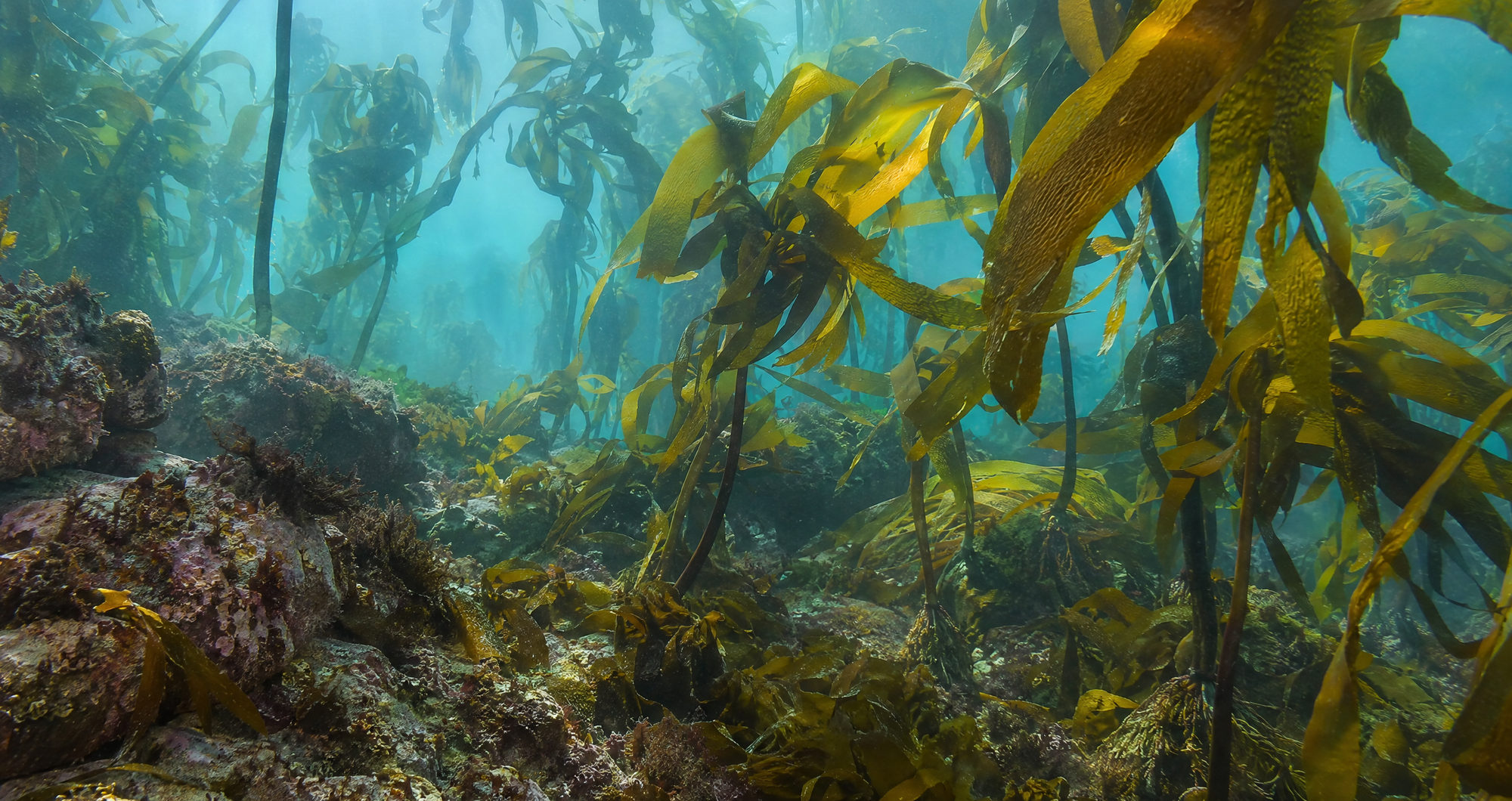

Scientists from London and Scotland have helped launch an international plan to protect seaweed habitats, with a target of cutting their loss by 70% by 2030.
The Seaweed Breakthrough was launched on Saturday at the Malaysian Pavilion at COP31, the UN climate conference in Antalya, Türkiye. Researchers from the Natural History Museum in London and the Scottish Association for Marine Science are among the people behind the initiative, alongside international partners.
The plan brings together goals for conservation, restoration, livelihoods and finance. It is a call for action, not evidence that the targets have already been reached or that the money sought has been secured.
What the plan aims to do
The 2030 loss target concerns seaweed habitats affected by direct and indirect human activity. The proposed reduction is measured against a known baseline. A baseline provides a reference against which changes in loss can be assessed; it does not mean that 70% of existing seaweed habitat has already disappeared or been restored.
In 2025, available data was insufficient to determine the global rate of seaweed habitat loss. Some types of seaweed habitat had received much less research attention than kelp forests, making the evidence base uneven.
The initiative also seeks to increase long-term protection for seaweed habitats and restore areas that have been lost or damaged. Another goal is to support resilient and equitable livelihoods for people whose work is connected to seaweed.
A finance target calls for at least US$17.5 billion in investment by 2030 for conservation, protection and restoration. That figure is an ambition for money to be mobilised, not a confirmed new funding award. The plan also sets longer-term goals extending beyond 2030.
Organisations and individuals can express interest in supporting the initiative. The pledge describes actions as voluntary and allows participants to choose contributions suited to their role and capacity. Its guiding principles include using scientific evidence, involving communities and reporting transparently.
Why wild seaweed matters
Seaweeds form habitats in different parts of the ocean, from kelp forests to tropical seaweed beds. These habitats provide food and shelter for marine life and help support fisheries. They are also part of the ocean’s carbon cycle; kelp forests can reduce the energy of waves reaching the coast.
Wild populations face several pressures at once. Rising sea temperatures and marine heatwaves can affect seaweeds, while pollution, invasive species and overharvesting add to the challenges. The importance of each pressure varies between places, so a global target will need to be translated into action that fits local conditions.
Protection matters for cultivation as well as for wild ecosystems. Wild seaweeds provide genetic diversity and seed material used in farming, including material that may help develop strains better able to cope with changing conditions. The industry produces food and ingredients used in products such as cosmetics and animal feed, and supports millions of livelihoods.
Global seaweed production reached 38 million tonnes in 2022, measured as wet weight. That figure describes production, not the area of wild habitat protected or restored. Cultivation and conservation are linked, but an increase in the amount farmed does not by itself demonstrate that wild populations are recovering.
From research to policy
The work predates the Antalya launch. In 2025, the research programme brought together evidence on seaweed diversity, threats and conservation in a global report and invited specialists to help develop targets. The conference launch brings those ambitions into a wider ocean and climate policy setting.
The five goals cover different stages of the problem: slowing further loss, protecting what remains, restoring damaged areas, supporting livelihoods and finding finance. Progress would depend on how governments, communities, researchers and other organisations turn the voluntary framework into measures on the water.