
A new joint research report, London After Dark, from Transport for London (TfL) and Time Out, reveals how London’s night-time economy is changing for the better. The new report highlights the important role public transport plays in supporting life after dark, with 88 per cent of Londoners questioned saying they have stayed out later because they knew public transport was running.
The report has been published shortly after Time Out analysis ranked the capital first among 26 European capitals for the combined strength of its nightlife and public transport – hot on the heels of London topping its ranking of global cities for culture earlier this year. Drawing on 5,848 responses across 26 European capitals, the analysis gives equal weight to nightlife and public transport, with London taking the top spot ahead of Vienna and Paris thanks to its strong performance across both measures.
London After Dark explores how life after dark in the capital has changed over the past decade, the role the Night Tube has played in supporting that change, and what the future could hold for London at night. Around 200 Londoners from the Time Out Loud community contributed to a week-long research study, sharing their experiences of London after dark through surveys, diary entries, creative tasks and personal stories. Interviews with experts from across London’s nighttime economy provided further insight into how the sector is changing.
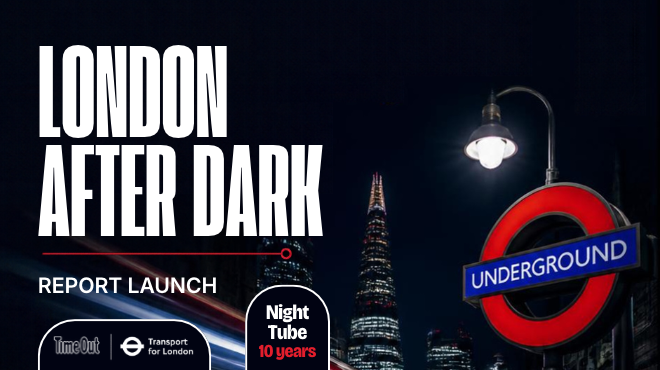
The research highlights how London’s night-time economy has broadened over the past decade, with Londoners increasingly seeking a wider mix of experiences after dark. Restaurants, theatre, live music and cultural activities play a more central role in nights out than they did before, and transport remains a key enabler, with survey findings showing that 77 per cent of Londoners saying knowing how they will get home is an important factor when deciding where to go. More than half of Londoners (55 per cent) also believe great nights out are increasingly spread across the capital rather than concentrated in central London.
The findings come as London’s nighttime offer continues to diversify, with a number of new venues and partnerships announced in recent months. These include the opening of the internationally renowned Blue Note Jazz Club in Covent Garden. The Mayor’s transformation of Oxford Street will also support more people visiting the West End, with Bond Street, Marble Arch and Oxford Circus served by multiple Night Tube lines.
Since the Mayor launched the inaugural Night Tube service on 19 August 2016, Night Tube and Night Overground services have carried more than 67 million customers, supporting jobs, businesses and cultural venues while improving connectivity across the capital and strengthening London’s reputation as a vibrant 24-hour city.
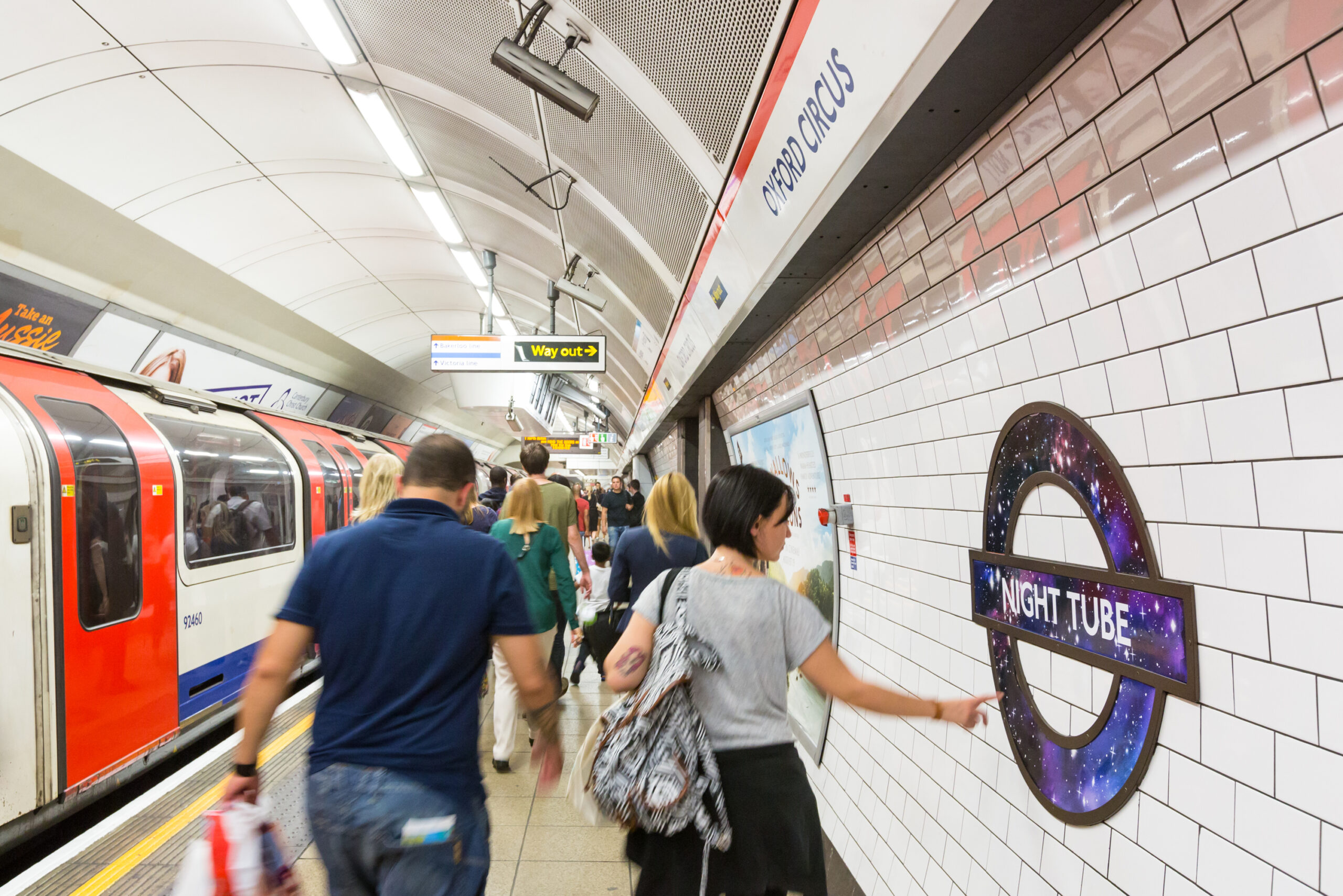
The Night Tube connects Londoners and visitors with the diverse cultural experiences found across the capital’s neighbourhoods, helping people discover venues, events and communities while also providing a vital overnight service for those working across the city. All stations are staffed while open and have full CCTV coverage throughout. London remains on track to have high-speed mobile coverage across the entire Tube network including within tunnels by the end of the year, with more than 70 per cent of underground stations already offering 4G and 5G coverage.
More than 50,000 journeys were made on the first night of operation in 2016, demonstrating immediate demand for overnight Tube services. Ten years on, Night Tube and Night Overground services help people travel to and from work, enjoy the capital’s cultural and hospitality offer, and get home safely and conveniently.
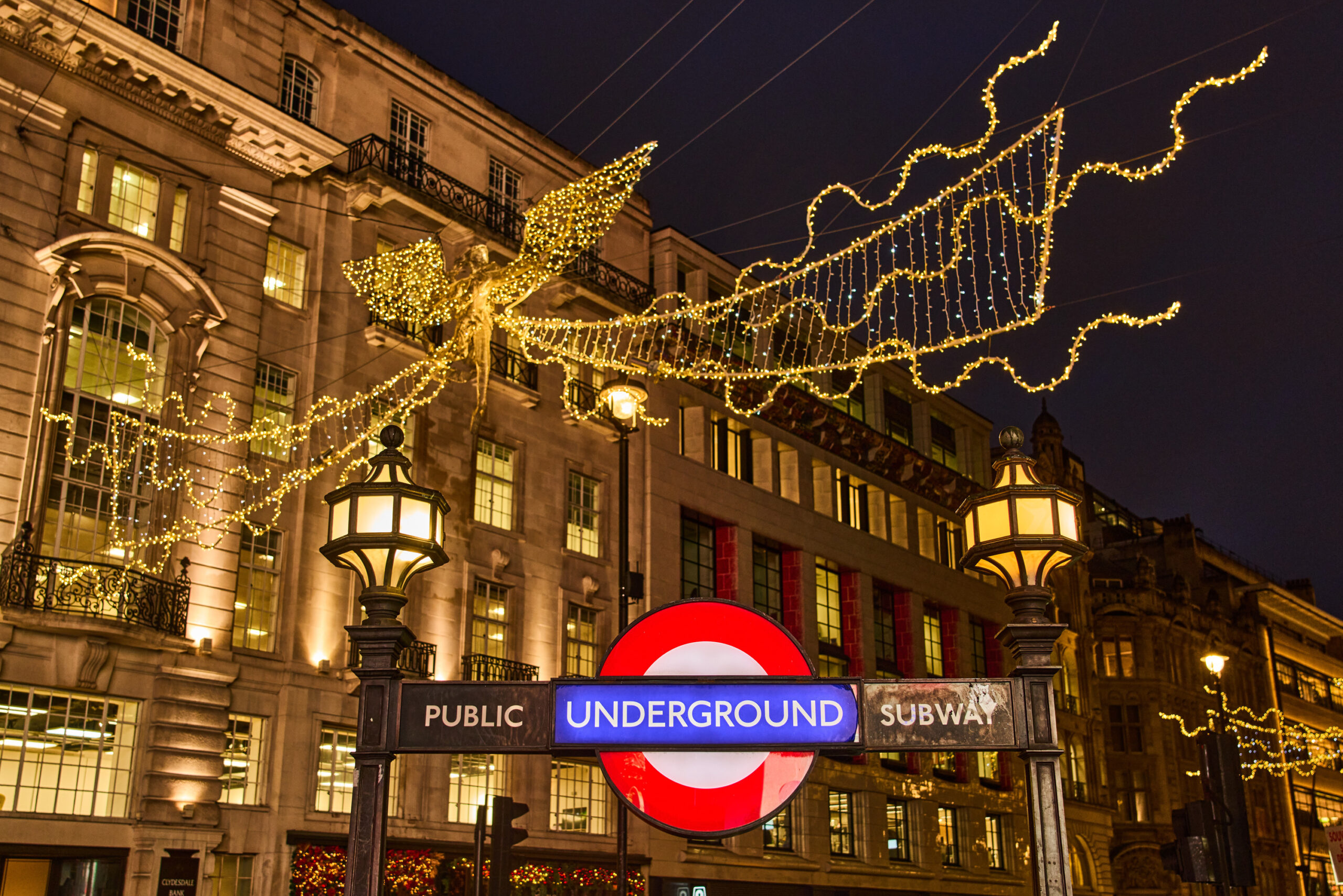
Demand has grown steadily since the pandemic, with more than 81,000 Night Tube journeys now made on an average night and Saturday nights typically busier than Fridays. The Night Tube plays a vital role during some of London’s busiest nights of the year, helping people travel safely and conveniently across the capital while supporting venues, events, workers and businesses.
The Mayor of London, Sadiq Khan, said:
“I’m delighted that London is Time Out’s leading European capital; this is a testament to both its nightlife and its public transport, which includes the Night Tube.
“For the past decade, the Night Tube has been a defining feature of London as a world-leading 24-hour city – helping Londoners and visitors enjoy everything our great capital has to offer, and supporting our vital workers and businesses to boost our night-time economy.
“This report really brings to life how The Night Tube connects Londoners and visitors with our city’s incredible cultural offering, helping people discover new venues and events in new parts of the capital while ensuring they can travel home safely and affordably at any hour.
“I’m incredibly proud that London is home to this world-leading service, and I look forward to seeing the Night Tube continue to drive economic growth and unlock new opportunities as we build a better London for everyone.”
Claire Mann, TfL’s Operating Officer, said:
“London at night has changed significantly over the past decade, and the Night Tube has evolved alongside it, helping people travel to work, meet friends and enjoy everything the capital has to offer after dark.
“This new report highlights the growing importance of reliable public transport to London’s night-time economy, while the continued growth in Night Tube journeys demonstrates the enduring demand for overnight services. Ten years on, we’re proud of the role the Night Tube plays in supporting London’s businesses, workers, visitors and world-leading cultural scene.”
Coral Anderson, Co-owner and Managing Director, Swift Bars, said:
“At Swift, we see firsthand how important the journey home is to a great night out. When people know they can get home easily, they’re more likely to explore a new neighbourhood, stay for another drink and make the most of everything London has to offer. London After Dark celebrates that freedom to discover the city’s incredible nightlife, and the venues and communities that bring it to life.”
Ed Richardson, Programme Director for Transport, BusinessLDN, said:
‘‘Reliable late-night transport is essential to a thriving 24-hour city, giving Londoners and visitors the confidence to enjoy everything London has to offer. Ten years since its introduction, it’s clear the Night Tube has been a real success for the capital, helping people make the most of the capital’s world-class cultural and hospitality offer while supporting businesses, jobs and growth. Keeping the city moving after dark will be key to helping its night-time economy continue to thrive.’’
TfL continues to invest in improving public transport at weekends, with extra and later services added in recent years. In December 2023, TfL added an additional late-night Elizabeth line service from Abbey Wood through to Maidenhead on Saturdays, and in December 2025 increased Saturday services to central London from 16 to 20 trains per hour between 11:00 and 20:00.
TfL’s work towards the Mayor’s target for more than half of Tube stations to have step-free access is also helping to make more Night Tube journeys accessible. There are currently 50 Night Tube stations with step-free access, including the recently upgraded Colindale, Knightsbridge and Northolt stations, with further step-free improvements underway at Burnt Oak and Leyton, and initial enabling works at South Kensington due to take place later this year.